Homeowner Says His Neighbor Convinced the City to Reclassify His Backyard Pond as a Wetland Hazard, Then Applied for a Permit to Build the Exact Same Feature Months Later
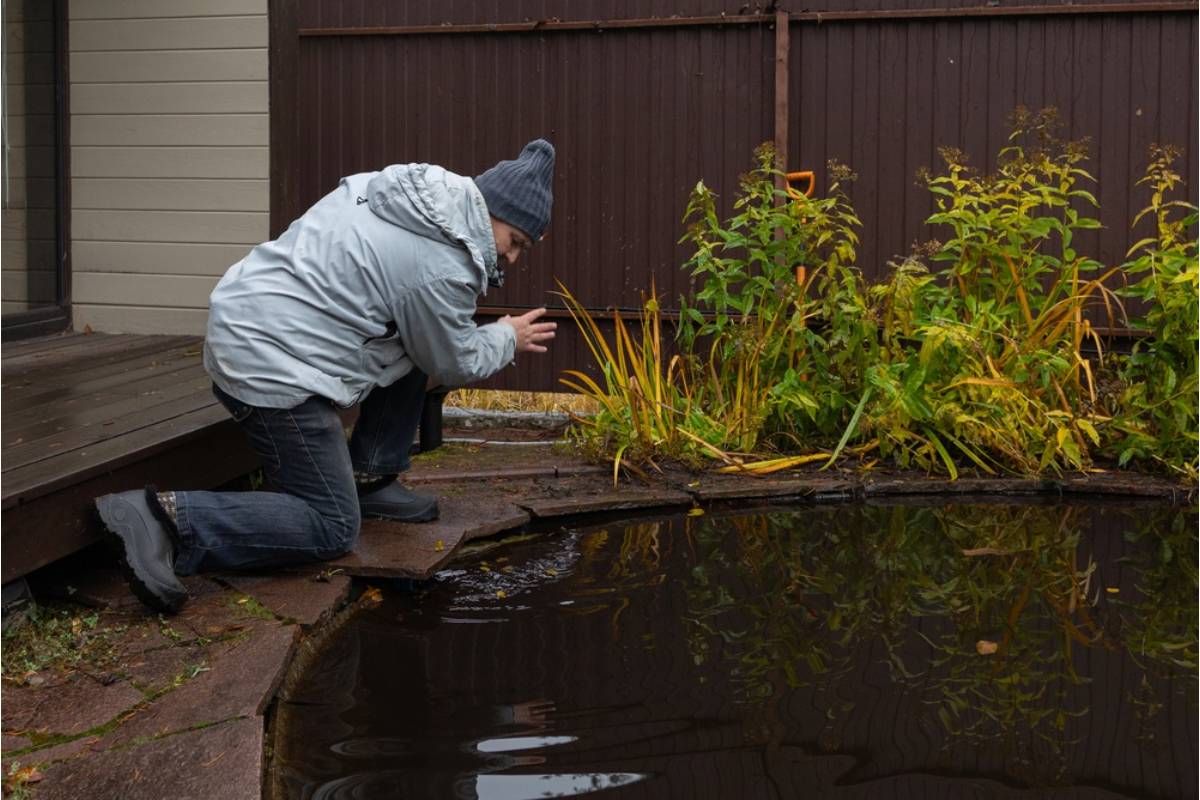
When I bought my house, the backyard pond was one of the main reasons I fell in love with the property. It was not a swimming pool or anything elaborate. It was a modest pond built by the previous owners with natural stone, water lilies, and a small waterfall that attracted frogs, dragonflies, and songbirds.
My kids loved feeding the fish, and neighbors often stopped to admire it during evening walks. I kept the pond clean, followed every city rule I knew about, and never imagined it would become the center of a dispute that would divide the neighborhood.
A Friendly Neighbor Started Asking Strange Questions
My next door neighbor, Greg, had always been pleasant enough. During our first few months, he complimented the pond several times and asked detailed questions about permits, maintenance, and construction costs. At first I assumed he was simply interested in building one himself.
Looking back, the conversations feel completely different. He asked whether the city had ever inspected it, whether it collected runoff from nearby yards, and whether I knew how wetlands were defined under local regulations. Those questions seemed oddly specific for casual neighborhood conversation.
An Unexpected Letter Arrived From the City
A thick envelope from the city’s environmental compliance office showed up one afternoon. The letter stated that a complaint had triggered an inspection because someone believed my pond had created conditions resembling a protected wetland.
I read the letter three times before it finally sank in. The city wanted access to my property to determine whether the pond posed environmental concerns. My wife laughed at first because the idea sounded ridiculous, but neither of us was laughing once we realized the inspection was mandatory.
Inspectors Walked Through Every Corner
Two inspectors arrived carrying clipboards, measuring equipment, and cameras. They carefully examined the pond, nearby landscaping, drainage patterns, and surrounding vegetation while explaining that they were simply following procedure.
I answered every question honestly and showed them records left by the previous homeowners. They remained professional throughout the visit, but neither inspector hinted at what conclusions they might reach. When they drove away, I felt more anxious than before they arrived.
The Neighborhood Began Talking
News travels quickly on our street. Before long, several neighbors were asking whether I had environmental violations or if someone planned to sue over flooding concerns.
One family even canceled a backyard barbecue because they assumed city officials had discovered something dangerous. I realized that even if I eventually proved everything was fine, the rumors had already begun shaping people’s opinions.
The City’s Decision Changed Everything
Several weeks later I received another letter explaining that the city had temporarily classified the pond as an environmental concern requiring restrictions until additional reviews could be completed.
The decision prevented me from making improvements, expanding nearby landscaping, or altering the water feature without approval. It also complicated future property disclosures if I ever wanted to sell the house. I felt blindsided because no inspector had ever suggested the situation was this serious.
Greg Suddenly Lost Interest in My Pond
Around the same time, Greg stopped asking about my backyard altogether. Instead of chatting over the fence, he hurried inside whenever I walked outside.
His sudden change in behavior bothered me more than I expected. It felt like someone avoiding eye contact after knowing something they should not know. My wife noticed it too, although neither of us had any proof connecting him to the complaint.
A Planning Commission Meeting Raised Eyebrows
Several months later, I attended a public planning commission meeting about an unrelated zoning proposal. While reviewing the printed agenda, I noticed Greg’s name listed under permit applications.
Curious, I flipped through the paperwork available for public review. To my disbelief, Greg had applied for approval to construct a decorative backyard pond complete with native plants, shallow edges, and wildlife habitat. The proposal looked remarkably similar to the feature sitting in my own yard.
The Permit Drawings Looked Uncomfortably Familiar
The more closely I examined the plans, the stranger they became. The dimensions closely matched my pond. The waterfall placement resembled mine. Even the suggested planting zones appeared almost identical.
A city employee standing nearby noticed my expression and casually asked whether I was familiar with the design. I simply replied that it looked surprisingly familiar without explaining why. I wanted facts before making accusations.
An Honest Employee Shared Important Information
After the meeting ended, one staff member quietly mentioned that Greg had spent months discussing wetland regulations before submitting his application. According to the employee, Greg wanted to ensure every detail complied with current standards.
That comment immediately caught my attention. If Greg had invested so much effort learning the regulations, why had he acted completely uninterested whenever I mentioned my own pond? The timing felt impossible to ignore.
Records Revealed an Interesting Timeline
I filed a public records request to better understand how my case had developed. The documents showed that the original complaint contained detailed descriptions of drainage patterns, wildlife activity, and vegetation surrounding my pond.
Whoever submitted it knew my backyard extremely well. The complaint also referenced technical environmental language that most homeowners would never casually use. Reading those pages made me realize the complaint had not been thrown together in frustration. It had been carefully prepared.
A Conversation Finally Broke the Silence
I decided to speak with Greg directly rather than continue wondering. I walked over one evening and calmly asked whether he knew anything about the complaint filed against my property.
His expression changed immediately. After several awkward moments, he admitted contacting the city because he believed stricter enforcement would create a clearer path for his own future project. He claimed he assumed my older pond would simply be grandfathered in after a brief review.
The Plan Backfired in Ways He Never Expected
Greg confessed that he never expected the city to impose restrictions lasting several months. He also admitted becoming uncomfortable after realizing neighbors had begun treating my family differently because of the investigation.
Ironically, his own permit application experienced repeated delays because officials scrutinized every detail following the controversy surrounding my property. Instead of speeding up his project, the additional attention created more paperwork and additional inspections.
Neighbors Reacted Once They Learned the Truth
Word eventually spread through the neighborhood after several residents attended another public meeting. Many people felt disappointed because they had trusted Greg’s explanation that environmental concerns alone motivated the complaint.
Several neighbors approached my family to apologize for believing the rumors. Others privately expressed frustration that a disagreement over backyard landscaping had escalated into city action affecting property records and neighborhood relationships.
The City Revisited Its Earlier Decision
As additional documentation became available, city officials conducted another review of my property. This time they considered original construction records, long term maintenance history, and expert evaluations that had not been included during the initial investigation.
The revised findings concluded that my pond functioned as an ornamental landscape feature rather than a regulated wetland hazard. Most of the restrictions were lifted, allowing me to resume normal maintenance and future improvements without the earlier uncertainty.
A Lesson Neither Household Will Forget
Today the pond still attracts birds, frogs, and curious visitors, but the atmosphere between neighboring yards has permanently changed. Greg eventually completed a smaller water feature that followed every city requirement, although few people admired it with the same enthusiasm as before.
The experience reminded me that disputes between neighbors rarely stay private once government agencies become involved. A single complaint can reshape reputations, delay projects, and create years of unnecessary tension. Honest conversations might not solve every disagreement, but they usually cost far less than turning ordinary backyard issues into official battles.