Gardener Says a Neighbor’s House Went Up for Sale and the Listing Specifically Mentioned Her Garden as a Selling Feature Without Ever Asking Her
A quiet residential street in suburban California had always been the kind of place where homes blended into each other without much drama. People kept their lawns trimmed, their fences painted, and mostly stayed out of each other’s business.
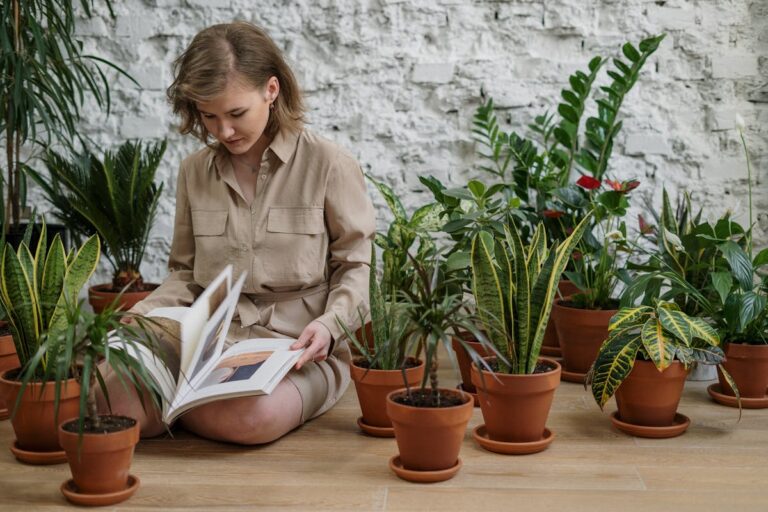
One gardener had spent years carefully shaping her backyard into something she could enjoy from her kitchen window every morning. That sense of privacy shifted when she discovered her neighbor’s house was being listed for sale with her garden prominently featured in the listing photos. What surprised her most was that no one had ever asked for permission to use her space as a selling point.
The Garden That Grew Into Something Recognizable
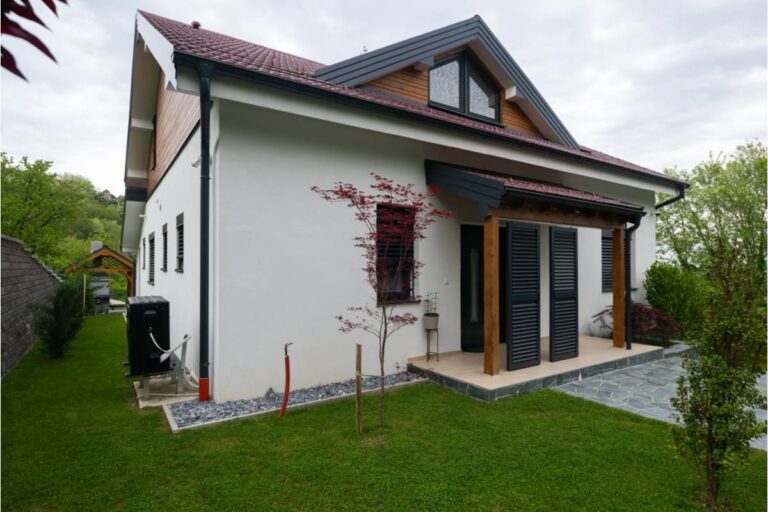
She had started the garden as a simple weekend project, planting roses, lavender, and a few fruiting vines along the fence line. Over time, it became fuller and more structured, eventually spilling visually into the backdrop of the neighboring property. From certain angles, especially upstairs windows in the house next door, her garden looked like an extension of their yard. She had never minded that subtle overlap because it felt natural in a shared suburban space. That assumption changed the day she saw it used in a very different context.
The Unexpected Real Estate Listing
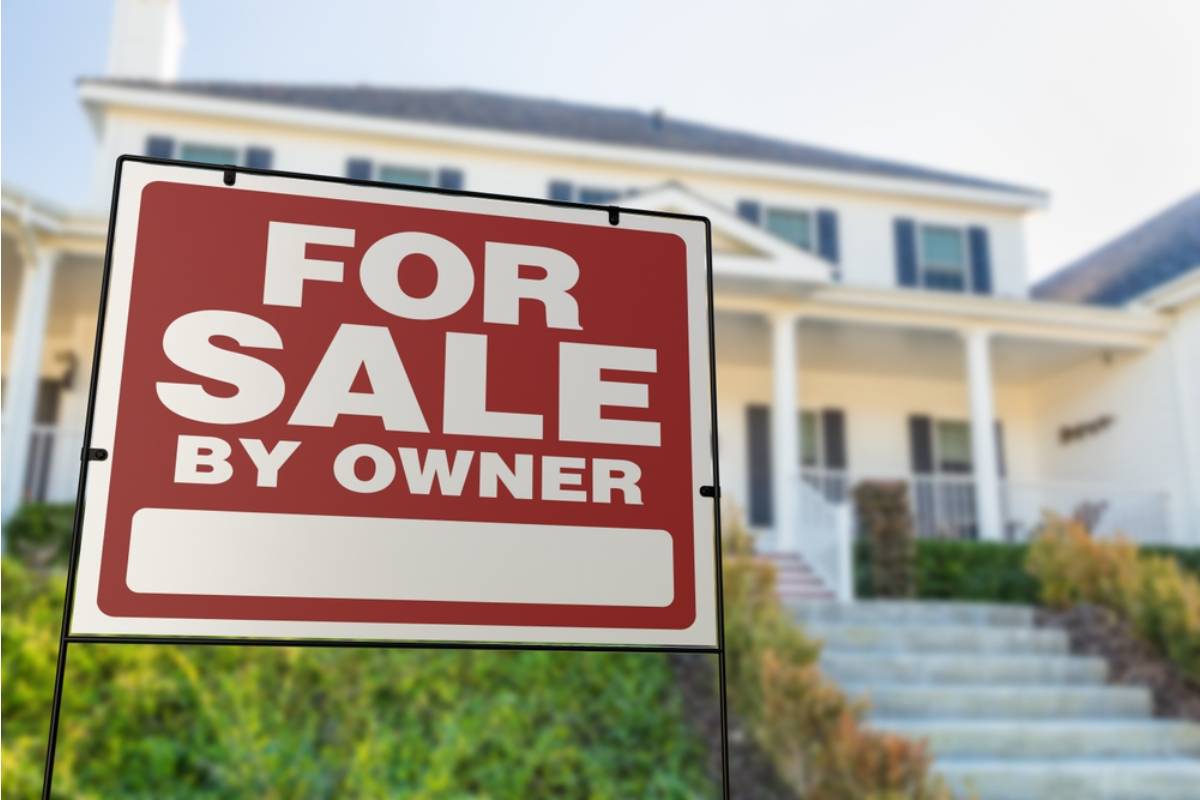
A friend sent her a link to a real estate listing for the house next door, thinking she would find it interesting. As she scrolled through the photos, she noticed something unsettling almost immediately. Several of the images featured wide shots where her garden was clearly visible beyond the fence. The captions highlighted “lush, professionally maintained greenery” as part of the property’s appeal. There was no mention that the view extended into a completely separate yard.
Realization That No One Asked Permission
She sat with the listing open longer than she expected, rereading the descriptions. There had been no conversation, no request, and no acknowledgment that the garden belonged to someone else. It was presented as if it were part of the house being sold. She walked outside and looked at the same angle from the backyard, recognizing exactly why the realtor had chosen those shots. The realization made the situation feel more intentional than accidental.
First Call to the Real Estate Agent
She called the number listed on the page and asked to speak with the agent responsible for the listing. When she explained that the garden being used in the photos was not part of the property, there was a brief pause on the other end. The agent responded politely but seemed caught off guard, saying they had assumed the landscaping was shared or visible space. She corrected that assumption firmly and asked for the images to be reconsidered. The conversation ended with a vague promise to “look into it.”
The Neighbor Avoids the Conversation
Later that day, she tried knocking on her neighbor’s door to address it directly. The homeowner answered but seemed hesitant and quickly deflected responsibility to the real estate agent. He insisted he had not paid attention to how the photos were taken or what was included. When she pressed for acknowledgment that her property had been featured, he grew uncomfortable and ended the conversation early. She walked away feeling like the issue was being passed around rather than addressed.
The Listing Gets Updated Without Notice
A few days later, she checked the listing again and noticed the photos had been slightly edited or replaced. The wide shots that included her garden were gone, replaced with tighter interior views. There was no message or notification explaining the change. It was corrected silently, as if the original version had never existed. That silence bothered her more than the mistake itself.
Questions From Other Neighbors Begin
Word spread quickly among neighbors who had also seen the original listing. Some were surprised they had not noticed the boundary issue before. Others admitted they had assumed the garden belonged to the listed property because of how it was framed. She found herself repeating the same explanation multiple times over casual fence conversations. The situation was becoming public in a way she never intended.
A Realtor Returns With a Different Tone
A second call came from the real estate office, this time from a senior agent. The tone was more cautious and apologetic, acknowledging that the property boundaries had not been properly verified before marketing. They explained that they had relied on assumptions made during the photography process. She listened but made it clear that assumptions were not acceptable when using someone else’s property visually or otherwise. The agent agreed to update internal procedures moving forward.
The Neighbor’s Surprising Defense
The neighbor eventually returned to the conversation, this time with a different stance. He suggested that the garden had actually helped increase interest in the house and should be seen as a benefit rather than a problem. She did not accept that framing and reminded him that visibility does not equal ownership. The exchange grew tense, with both of them realizing they were not aligned on basic boundaries. It ended without resolution.
Buyers Start Asking About the Garden
Shortly after, she began noticing people walking near the fence line during scheduled showings. Some would pause and comment on the visible greenery beyond the property. A few even asked agents whether the garden came with the house. The agents would respond carefully, clarifying it was not part of the listing. Still, the confusion kept happening.
A Formal Request Is Made
She eventually sent a written request asking that her property not be referenced or visually highlighted in any future marketing. The request was direct but polite, outlining exactly what had made her uncomfortable. The real estate office responded with a formal acknowledgment and apology. They confirmed that all future materials would exclude any external property views. She kept a copy of the message for her records.
The Final Showing Feels Different
At the next open house, the atmosphere felt noticeably more controlled. The agents guided visitors carefully and avoided pointing toward the backyard view entirely. She observed from her kitchen window, noticing how deliberately the space was framed this time. There was no mention of gardens beyond the fence, and no lingering confusion from visitors. For the first time since the listing began, her backyard felt fully her own again.