Gardener Says She Spent Four Years Getting Her Backyard Certified as an Official Wildlife Habitat, Then Her New Neighbor Moved In and Immediately Sprayed the Entire Shared Border With Weed Killer
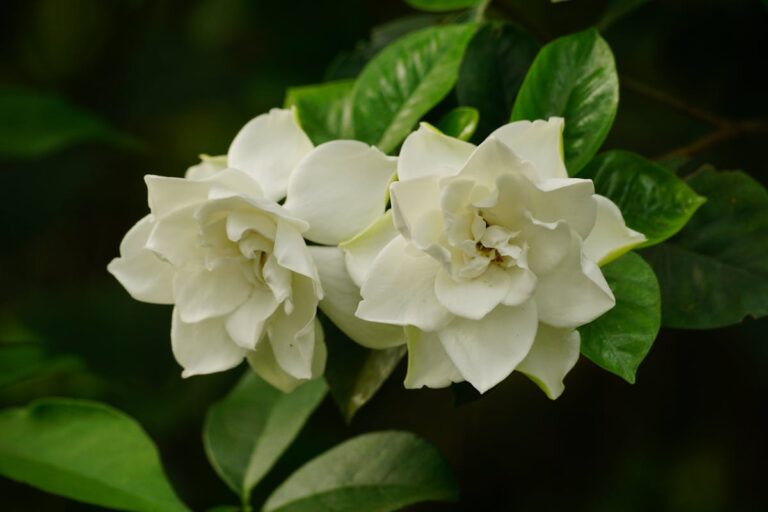
For four years, my backyard became more than a place to grow flowers. It became a carefully balanced home for butterflies, native bees, songbirds, frogs, and countless other small creatures that slowly returned after years of patient work.
Every new season rewarded me with signs that the habitat was thriving, and receiving official wildlife habitat certification felt like the proudest accomplishment I had ever achieved.
Friends often stopped by just to watch hummingbirds dart between blossoms or hear birds singing from the trees. I believed the hardest part of the journey was behind me. Then a moving truck pulled into the house next door, and within a single week everything I had worked for began to change.
The Yard Was Built One Native Plant at a Time
When I first bought the house, the backyard was little more than patchy grass and compacted soil. I spent evenings researching native plants that could support local wildlife instead of relying on decorative landscaping. Every flower, shrub, and small tree served a purpose beyond looking attractive.
As the years passed, pollinators multiplied in numbers I had never expected. Monarch butterflies began laying eggs on milkweed, and wrens nested in shrubs that had once been empty corners of the yard. Every success reminded me that small choices could create lasting change.
Certification Felt Like a Personal Milestone
Receiving recognition as an official wildlife habitat was deeply meaningful because it represented years of dedication rather than a simple award. The certification process required documenting food sources, water, shelter, and sustainable gardening practices throughout the property.
I proudly displayed the sign near my garden gate. Neighbors often asked questions about native plants, and I happily shared extra seedlings with anyone interested. The yard became something our street appreciated together.
New Faces Arrived Next Door
The house beside mine had been vacant for several months before a young couple finally moved in. During their first evening, I walked over with homemade cookies and introduced myself. They seemed friendly and thanked me for the warm welcome.
While standing in their driveway, I mentioned that the garden attracted many birds and butterflies. They smiled politely but admitted they preferred neat, low maintenance landscaping. At the time, I thought nothing of the comment.
The Shared Property Line Became a Topic
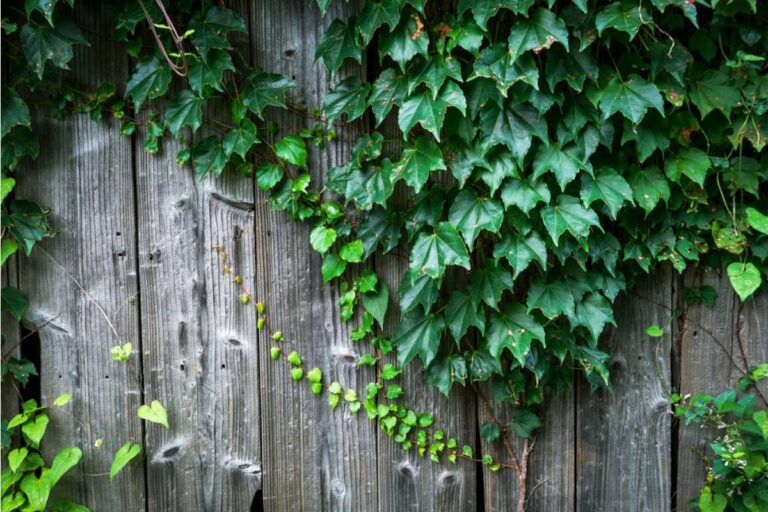
A few days later, my new neighbor knocked on my door. He pointed toward the strip of native grasses growing along the fence and asked whether I planned to trim them shorter. I explained they intentionally provided shelter for beneficial insects and nesting birds.
He frowned slightly and said they looked messy from his side of the fence. I offered to install decorative edging so the planting would appear more organized while keeping the habitat intact. He thanked me, but his expression suggested he remained unconvinced.
Something Looked Wrong During My Morning Walk
The following morning, I carried my coffee into the backyard as I always did. Before I reached the garden path, I noticed several plants leaning at strange angles. Their leaves had already begun curling and turning pale.
As I followed the shared fence line, the damage stretched nearly the entire length of the property. Wildflowers that had been blooming only a day earlier now looked lifeless. My heart sank because healthy native plants do not decline that quickly on their own.
The Smell Gave Away What Happened
A sharp chemical odor lingered in the air near the fence. I immediately recognized it because I had avoided using herbicides for years. Tiny droplets still clung to several leaves that had not yet dried completely.
Even worse, a few bumblebees lay motionless beneath the flowers they had visited the previous afternoon. Seeing them scattered across the soil felt devastating. The habitat had survived droughts and harsh winters, but it had not been prepared for this.
The Conversation Turned Uncomfortable
I walked next door and calmly asked whether anything had been sprayed along the property line. My neighbor answered without hesitation. He proudly explained that he had used weed killer to clean up what he called “the overgrown strip.”
When I explained that many of the plants were intentionally growing there, his expression changed only slightly. He shrugged and said he assumed weeds were weeds, regardless of what someone called them.
The Damage Reached Far Beyond Flowers
Over the next several days, the effects became impossible to ignore. Butterflies that normally visited every afternoon disappeared almost completely. Birds stopped searching for insects along the border where they had once fed constantly.
One small rabbit that frequently sheltered beneath the grasses never returned. I realized the herbicide had affected an entire chain of life rather than a single row of plants. The silence in that corner of the yard was harder to accept than the empty flower beds.
Experts Confirmed My Fears
I contacted the local extension office and invited a habitat volunteer to inspect the area. After carefully examining the plants, she agreed the damage strongly suggested herbicide drift or direct application along the shared border.
She also explained that many native species would take considerable time to recover, if they survived at all. Hearing those words felt overwhelming because I knew how many years had gone into establishing those plants.
Unexpected Evidence Appeared
A few days later, another neighbor stopped by carrying a package that had been delivered to the wrong address. Before leaving, she hesitated and asked whether everything was all right after the spraying incident.
She explained she had been gardening in her front yard when she saw my neighbor walking the fence with a large sprayer. Believing he had permission, she paid little attention until she heard me discussing the damage days later. Her account confirmed exactly where the chemical had been applied.
The Neighborhood Chose to Help
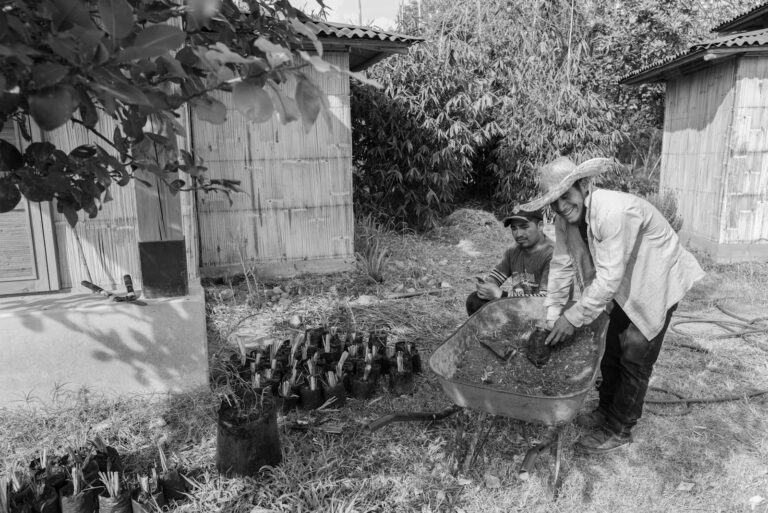
Instead of allowing the situation to divide everyone, several neighbors offered assistance. Some donated native seedlings from their own gardens while others volunteered to help remove contaminated plants and prepare the soil for recovery.
Children who loved watching butterflies even made handmade signs asking visitors to protect pollinators. Their enthusiasm reminded me why the habitat mattered beyond my own backyard.
An Honest Apology Finally Came
About two weeks later, my neighbor knocked on my door carrying a notebook. He admitted he had researched native habitats after our difficult conversation and realized he had misunderstood almost everything he had criticized.
He apologized for acting before asking questions. He admitted he believed every tall plant was simply an unmanaged weed. Seeing photographs online of healthy wildlife gardens that looked remarkably like mine made him understand what had been lost.
Working Together Changed the Outcome
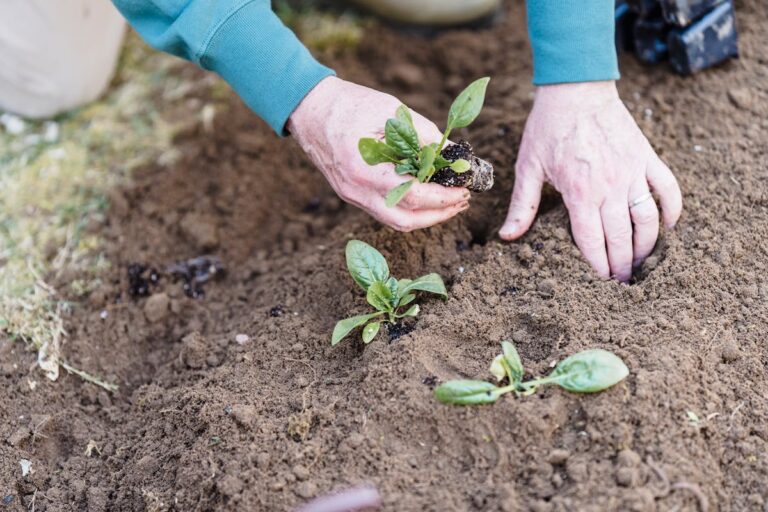
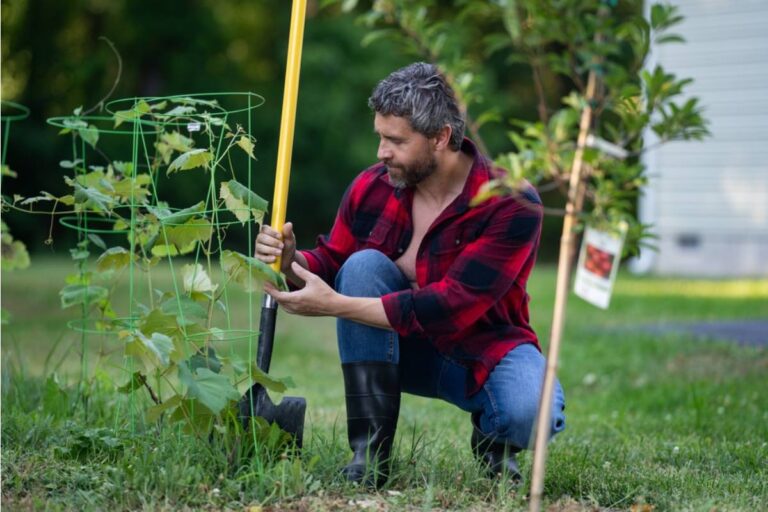
Instead of ending the conversation with resentment, I invited him to help replant the damaged border. We spent several weekends replacing flowers, shrubs, and grasses with new native species chosen to support pollinators throughout the seasons.
As we worked, he asked questions about birds, bees, and butterflies that he had never considered before. He even admitted he had noticed fewer butterflies in his own yard after the spraying but never connected the two events.
Life Slowly Returned
The recovery did not happen overnight, but each month brought encouraging signs. Bees returned first, followed by butterflies drifting through the flowers once again. A family of wrens eventually nested near the restored border, filling the yard with familiar songs.
The experience reminded me that rebuilding damaged ecosystems requires patience, just as creating them does. More importantly, it showed that conversations can sometimes repair relationships before bitterness becomes permanent.
The Habitat Became a Shared Responsibility
Today the border between our properties looks healthier than ever because both households now care for it together. My neighbor replaced his chemical weed control with hand weeding and native ground cover after seeing how much wildlife benefited from the change.
Visitors often assume the habitat was planned jointly from the beginning. They never realize one careless decision nearly erased years of careful work. Every butterfly landing on those restored flowers reminds me that protecting nature often begins with educating one person at a time, and that even painful setbacks can lead to stronger communities when people choose to learn from their mistakes.