A Gardener Watched Her Neighbor’s Raspberry Jungle Invade Her Plot, Then Realized the “Problem” Was Growing Something She Used to Buy for a Fortune
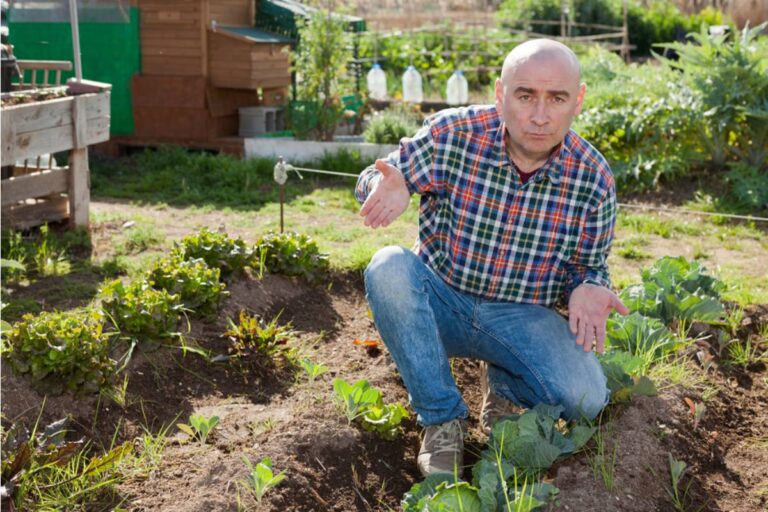
A person shared his story about a community garden dispute that began with an unruly raspberry bush and eventually turned into an unexpected lesson about gardening, friendship, and knowing when to stop fighting. The neighboring garden had expanded dramatically while the owner apparently allowed it to grow without much pruning or weeding. What once felt like a frustrating invasion was now spilling branches and weeds into the gardener’s own carefully tended plot.
At first, the situation seemed destined to become another endless battle over boundaries. The gardener could have spent the rest of the season firing off emails and documenting every weed that crossed the line. Instead, something surprising happened as autumn approached, because beneath all the frustration was a garden bursting with life, an incredible harvest, new friendships, and a free supply of something the gardener had once paid dearly to buy.
The Raspberry Bush Had Become a Jungle
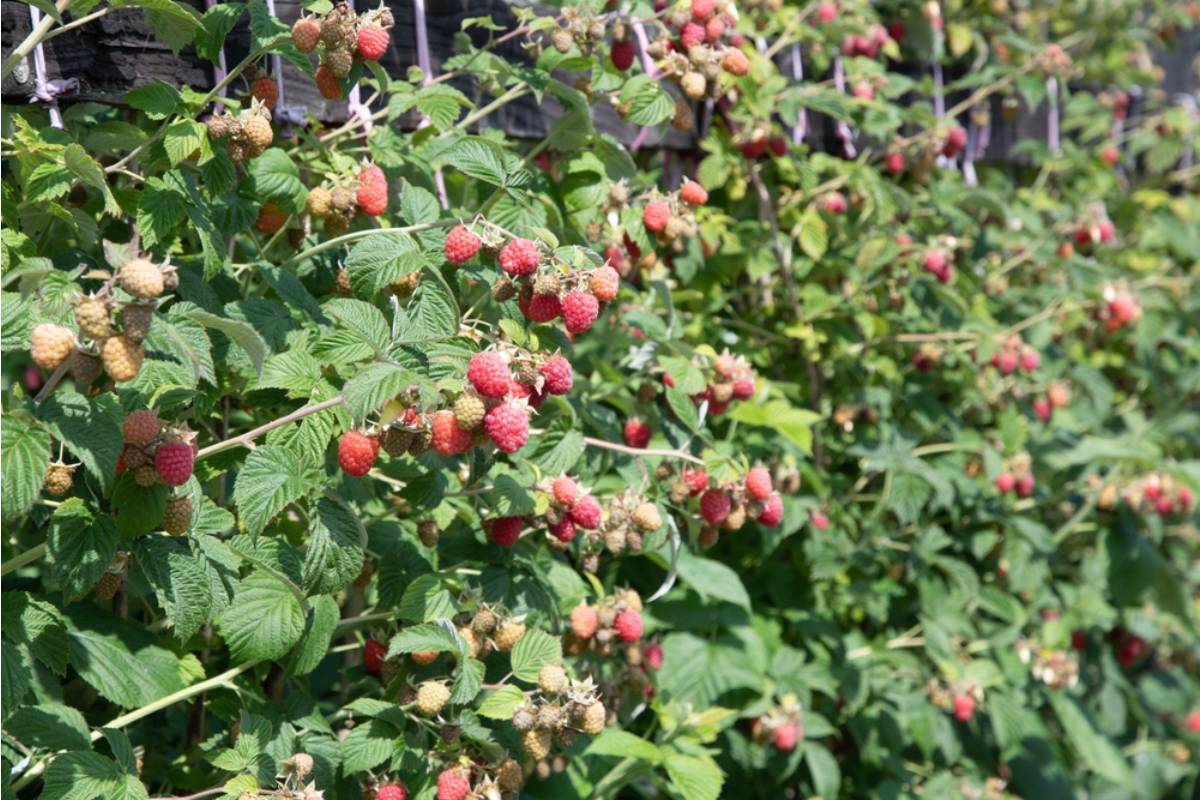
The gardener returned after stepping away for a while and was stunned by how much the neighboring garden had grown. What had once been a large planting area had practically tripled in size, with raspberry branches stretching outward and weeds filling every available opening. There seemed to be no clear boundary anymore, just a thick wall of leaves, stems, and garden chaos.
The problem was especially frustrating because the two plots directly adjoined one another. On the far side of the community garden, there were no other gardens separating the two spaces, meaning every runaway branch eventually became the gardener’s problem. The raspberry plant was beautiful, but it had apparently decided that property lines were merely suggestions.
The Garden Paths Were Nearly Impossible to Walk
The trouble was not limited to the raspberry plants. The neighboring garden’s paths had become so overgrown that they were difficult to walk through, even though members were expected to keep those areas maintained. Eventually, another garden member arrived with a weed trimmer and cleared the paths, including the neglected sections surrounding the neighboring plot.
That cleanup created an amusing contradiction. The garden coordinator had apparently warned members that failing to maintain their areas could result in consequences, yet some of the worst paths were left untouched until someone else finally stepped in. The gardener watching all of this could not help noticing the irony while trying to keep her own little piece of the garden under control.
One Request Did Not Solve Anything
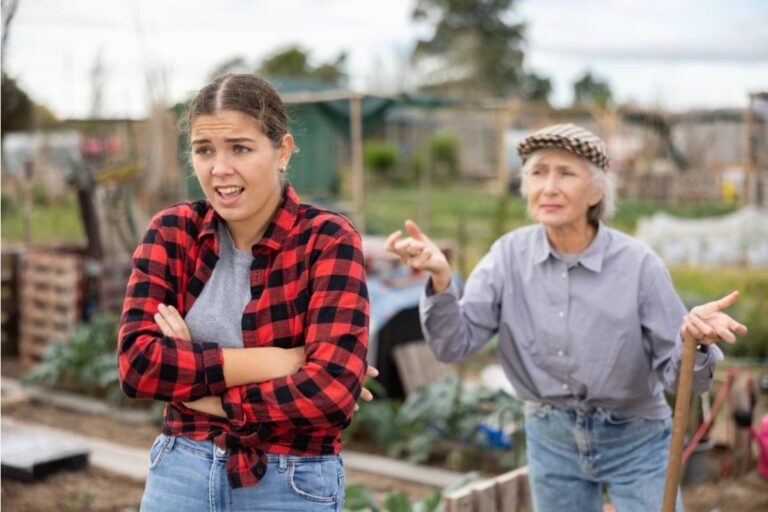
At one point, the gardener asked the neighboring gardener to prune the raspberry growth that was crossing into her space. Instead of receiving a straightforward solution, she felt the conversation quickly became emotionally complicated. The response made her feel as though the other person believed she could never do anything right, and the gardener decided she was not going to be pulled into that kind of argument.
That was the moment she began accepting an uncomfortable truth. The neighbor was unlikely to suddenly become careful about pruning, weeding, or respecting the invisible boundary between the plots. Continuing to battle over every branch might have protected the principle, but it would also have turned the entire gardening experience into an exhausting administrative fight.
Then She Asked Herself What She Really Wanted
The gardener eventually confronted a question that had nothing to do with raspberries. Did she want to be right, or did she want to be happy? It was a surprisingly powerful question because community gardens are supposed to offer a place to grow food and enjoy nature, not a second job spent keeping score.
She chose happiness, although that did not mean pretending the problem had disappeared. She still cut back the branches that crossed into her own plot and pulled weeds that had wandered over from the neighboring garden. Sometimes she did it calmly, and sometimes she admitted that she was pulling weeds while annoyed.
Gardening Became Her Way Out of the Conflict
Instead of allowing the dispute to dominate her thoughts, she refocused on what was actually happening inside her own garden. Seeds were growing, plants were producing, and an impressive harvest was beginning to appear. The more she concentrated on those small victories, the less important the daily drama seemed.
The shift was not instantaneous, but it changed the emotional atmosphere of the garden. She began showing up early, sometimes before anyone else arrived, and enjoyed having the whole place nearly to herself. In those quiet morning hours, the plants seemed to offer exactly what the arguments could not: peace.
Friends Started Growing Alongside the Plants
One of the biggest surprises was that the gardener did not end up alone in her decision to step away from conflict. Friends came to help her deal with the work, and she began making new friends within the community garden itself. Those relationships made a huge difference because they balanced the frustration she had been carrying.
Gardening suddenly became much bigger than one difficult neighbor. There were people to laugh with, people to exchange advice with, and people who understood the strange satisfaction of watching something tiny become a thriving plant. While one garden relationship was creating tension, several new ones were quietly taking root.
The Harvest Changed the Mood Completely
Then the gardener started seeing just how productive her own plot had become. The harvest was not even fully realized yet, but there was already enough growth to make her genuinely excited. After so much attention had been focused on what was going wrong, seeing so much going right was a powerful reminder of why she had started gardening in the first place.
There was something almost poetic about it. While one person’s plants were spreading beyond their boundaries, the gardener’s own plants were staying focused on something much more useful: producing food and beauty. The garden was giving her tangible proof that her energy was better spent nurturing what she could control.
Then She Discovered the Raspberry Surprise
The biggest twist arrived when she remembered how much money she had once spent on red raspberry leaves. For years, she had bought them from natural herbal stores and health supermarkets, paying for what she had considered a valuable specialty product.
Now those same raspberry plants were growing directly into her garden. What had initially looked like a nuisance suddenly looked suspiciously like a free delivery from nature. The branches she had been cursing were carrying something she had previously paid for.
The “Invasion” Was Suddenly Useful
That realization completely changed the way she looked at the raspberry problem. The plants were still invasive, and she still needed to prune them, but she could no longer see them only as an enemy. Some of the growth was now providing berries and leaves that had real value to her.
It was a wonderfully ironic gardening twist. The neighbor’s refusal to control the raspberry bush had created more work, but it had also placed a useful resource right next to her plot. The gardener had gone from asking how to stop the plant to wondering how much of the unexpected harvest she could enjoy.
Morning Glories Came Along for the Ride
The raspberries were not the only unexpected inheritance. The gardener also realized that she had inherited morning glories from the neighboring plot, adding another energetic plant to the collection. These vines can be enthusiastic growers, which meant the garden apparently had no shortage of plants willing to test the limits of personal space.
Yet by this stage, the gardener’s attitude had changed. She could deal with unwanted growth when necessary without allowing every new vine to become a personal battle. The plants were still plants, after all, and they were going to do what plants do best: grow wherever they found an opening.
A Garden Committee Might Restore Order
The gardener did not abandon the idea of improving the community garden system. She planned to propose bringing back a garden committee made up of several members, giving people a proper place to raise concerns rather than turning every dispute into a private struggle.
She also believed the person who had caused so much frustration should not return to the coordinator role. She had kept photographs of the weeds and other problems she had personally dealt with, creating a record of what she had experienced. This time, however, the goal was not revenge but accountability and a better system for everyone.
She Started Looking at the Garden Differently
The most important change was happening inside the gardener herself. Earlier, she had looked at the neighboring plot and seen disorder, unfairness, and constant encroachment. Later, she began seeing birds, berries, flowering plants, friendships, and opportunities that had been hidden behind her frustration.
A response from a person summed up the transformation by celebrating the gardener for finding sunlight through the clouds and discovering free tea in the process. Another response from a person pointed out that sometimes there are battles that simply do not need to be won. Those observations seemed to reinforce what the gardener had already begun to understand.
The Quiet Mornings Became the Best Part
Some of the gardener’s happiest moments came when she arrived early enough to have the entire garden nearly to herself. Without conversations, disagreements, or interruptions, she could simply walk among the plants and take everything in. It was difficult to remain consumed by resentment while standing in the middle of something so alive.
She wondered how anyone could be surrounded by such beauty and not feel grateful. The question became almost a personal challenge, because every morning offered another opportunity to notice something new. A flower opening, a plant producing fruit, or a tiny change in growth could pull her attention away from the conflict and back toward the garden.
The Garden Began Healing What the Dispute Had Damaged
Eventually, the gardener described the community garden as tremendously healing. The plants seemed almost as though they were quietly reminding her to stop carrying every injustice around like another gardening tool. Their message was not that the conflict was imaginary, but that it did not deserve to consume every ounce of her happiness.
That was perhaps the most meaningful plot twist of all. The invasive garden had not disappeared, the raspberry branches still needed pruning, and the weeds still occasionally crossed the line. Yet the gardener had discovered that peace could grow even when circumstances remained imperfect.
She Had Been Looking for a Solution in the Wrong Place
For a long time, the obvious solution seemed to be getting the other gardener to change. Better pruning, cleaner paths, fewer weeds, and more respect for boundaries would have made everything easier. But the gardener eventually realized that waiting for someone else to behave differently was giving that person too much control over her own experience.
So she changed what she could control. She maintained her plot, pruned what crossed into it, accepted help, made friends, enjoyed the harvest, and let the rest stay outside her emotional borders. The garden did not suddenly become perfect, but her relationship with it became far healthier.
In the End, Something Bloomed Besides the Garden
The gardener began with a conflict over an invasive raspberry bush and ended with a deeper appreciation for everything her plot was giving her. She discovered free berries and leaves, inherited morning glories, built friendships, planned changes for the community garden, and learned to enjoy quiet moments surrounded by growing things.
Her final realization was perhaps the sweetest part of the entire story. When someone is genuinely open to what a garden can teach, the growth does not stop at the soil. Something begins blooming inside the gardener too, and sometimes that inner growth matters far more than winning an argument over a wandering raspberry branch.