A Gardener Watched Her Peppers and Tomatoes Disappear Before They Could Ripen, Then Realized the Theft Was Happening Right Through Her Gate
A person shared his story about trying to grow vegetables in a city where even a few pots on the front steps felt like a small victory. His container garden was packed with peppers and tomatoes, and despite having limited space, he had managed to turn the entrance to his home into a surprisingly productive little garden. It was the kind of setup that made the front of the building feel more personal and alive.
Unfortunately, the garden had one problem that kept getting worse. Things were disappearing, and it was not just an occasional missing vegetable that could be blamed on coincidence. The gardener had already dealt with theft before, but lately the problem had become much harder to ignore.
It Started With a Tray of Seedlings
A few months earlier, someone tried to take an entire tray of seedlings from the front steps. The gardener happened to catch the person in the act, managed to rescue the plants, and thought perhaps the incident would be enough to discourage anyone from trying again. Instead, it turned out to be more like the opening chapter of a much bigger gardening mystery.
Seedlings are not exactly the easiest thing to steal without being noticed, especially when they are sitting together in a tray. They require care, watering, sunlight, and patience before they ever produce anything useful. Losing them was upsetting enough, but what happened next made the gardener even more frustrated.
Then the Tomatoes and Peppers Started Vanishing
The latest problem was far more personal because the vegetables were disappearing while they were still growing. Peppers and tomatoes were being taken before they had even reached full size, which meant someone was not waiting for the garden to produce a perfect harvest. They were simply taking whatever they could reach.
That made the situation especially discouraging for the gardener, who had spent weeks caring for the plants only to watch the results disappear. A tomato that vanishes when it is perfectly ripe is frustrating enough, but having someone take it while it is still undersized adds an almost ridiculous twist to the whole thing. It was as if the thief had decided patience was optional.
The Gate Was There, But It Wasn’t Locked
The garden was not completely exposed. There was a gate in front of the space, which provided at least some separation between the plants and the sidewalk. The problem was that the gate did not have a lock, and apparently that small detail was enough to make the barrier more decorative than protective.
The gardener began to notice another pattern as well. Most of the missing plants and vegetables were located toward the front of the garden, where someone could reach through the gate without even opening it. Suddenly, the layout of the garden itself seemed to be giving away the easiest targets.
One Person Suggested the Garden Might Need to Go Higher
A response from a person who had dealt with a similar problem explained that moving upward was the only solution that had reliably worked for them. They eventually left a first-floor gardening setup behind, moved into a higher apartment, and began growing plants on a small balcony. The extra height made it much harder for passersby to casually reach the plants.
The idea sounded practical, but it was not particularly realistic for this gardener. A balcony was already a dream, but housing prices in the area made moving somewhere with one feel almost impossible. The garden would have to stay where it was, which meant finding a way to protect it without simply abandoning the vegetables.
A Camera Could Turn the Garden Into a Watched Garden
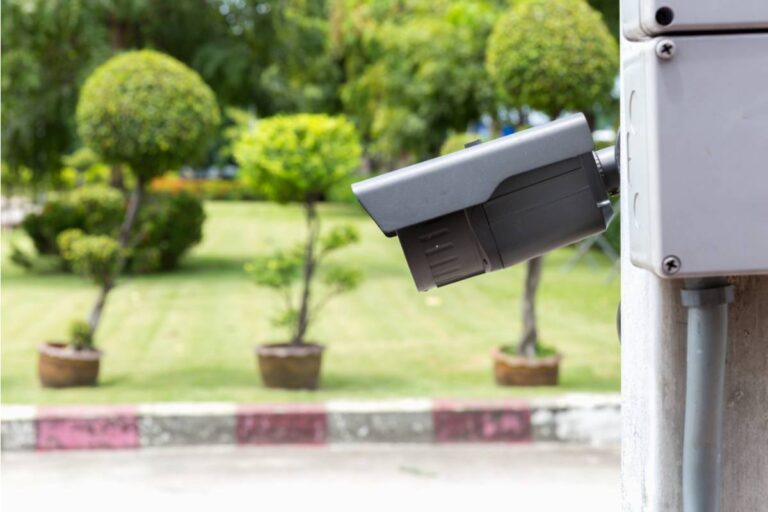
Another response from a person suggested putting an inexpensive outdoor camera near the garden and pointing it directly toward the plants. They had previously dealt with someone throwing food scraps into their garden, creating a mess that attracted rodents and ants. Once a camera was installed and aimed at the problem area, the unwanted visits stopped.
The interesting part was that the camera did not necessarily need to catch anyone doing something illegal. Its biggest value could simply be making the gardener’s space feel watched. A person approaching the gate might think twice after noticing that they were no longer completely anonymous.
The Garden Might Need a Little Noise
The camera suggestion came with another idea that sounded almost comical. A motion-triggered device that made noise when someone approached could turn a quiet vegetable garden into a surprisingly loud one. Even a simple alert could be enough to startle someone who expected to walk by unnoticed.
That approach would also change the atmosphere around the garden. Instead of quietly waiting to discover another missing tomato later, the gardener could potentially know that someone had entered the area. The garden would finally have a little warning system of its own.
But What If the Thieves Had Four Legs?
Then came an unexpected possibility. A response from a person pointed out that not every garden thief is necessarily human, especially in urban areas where squirrels and raccoons can be remarkably bold. Those animals, they explained, do not always wait for vegetables to become perfectly ripe before taking them.
One suggestion was surprisingly simple: leave out a small saucer of fresh water. If thirsty wildlife was contributing to the missing fruit, giving them another source of water might make the garden less tempting. It was a clever theory, although the gardener had already seen evidence that at least some of the previous thefts had definitely involved people.
The Gardener Had Already Seen the Human Evidence
The gardener explained that they had previously been able to access the building’s security cameras. Those recordings had shown that the missing items were being taken by people, not just wandering wildlife. That eliminated much of the mystery surrounding the earlier incidents, even if it did not make the situation any less frustrating.
There was also the physical pattern of the missing produce. The vegetables disappearing from the front edge of the garden were exactly where a person could reach through the gate with very little effort. With the evidence lining up, the gardener had one less mystery to solve and one bigger problem to fix.
A Little Cover Might Hide the Temptation
The gardener had already placed cages around some of the plants and was considering adding more. One response suggested wrapping thin row-cover fabric around the outside of the cages while leaving the top open enough for sunlight to reach the plants. The goal was not necessarily to create an impenetrable fortress, but simply to make the vegetables harder to see.
That idea had an oddly psychological angle to it. A bright cluster of peppers sitting in plain sight can be a much more tempting target than the same fruit hidden behind a layer of fabric. Sometimes protecting a garden may be less about stopping someone physically and more about removing the obvious invitation.
Then Came the Strange Story About the Bees
One response from a person shared a story about catching a couple harvesting from a garden as though they owned it. The situation apparently changed very quickly when the pair encountered the resident bees. What began as casual vegetable picking ended with both people screaming and running away.
The story was funny, but it also introduced an interesting gardening lesson. Flowers can attract pollinators and beneficial insects, making a vegetable garden more alive and productive. In this case, the gardener was already thinking about filling a few empty pots with flowers, which could make the space look prettier while also bringing some useful garden activity.
A Friendly Hello Might Be More Powerful Than a Fence
Another response suggested something much less technical. Simply making eye contact with people passing by and offering a friendly hello could make a difference by removing the feeling of anonymity. Someone who feels noticed may be less comfortable quietly reaching through a gate and helping themselves.
It sounded almost too simple, but there was a certain logic to it. A garden sitting beside a busy sidewalk can become part of the background, and people may behave differently when they feel invisible. A quick greeting could remind passersby that the plants belong to a real person who actually cares about them.
Some Gardeners Have Learned There Is No Perfect Defense
Not everyone had an encouraging story to share. A response from a person who maintained plots in community gardens said that people sometimes simply took whatever they wanted, despite the time and effort other gardeners had invested. In their experience, direct confrontation was unlikely to solve the problem and could easily make the situation more uncomfortable.
That response offered a much less satisfying truth. There may be no perfect way to protect an outdoor garden that sits close to public foot traffic. Fences, cages, cameras, flowers, and conversations can all help, but none of them can guarantee that every tomato will survive until harvest.
Another Gardener Suggested Protecting the Plants Indoors
One response from a person suggested a more expensive but highly controlled solution. A grow light setup and a grow tent could allow delicate seedlings to stay indoors for longer before being moved outside. The gardener could then shorten the vulnerable transition period by only leaving the plants outside once they were established.
For someone dealing with repeated seedling theft, that could make a major difference. It would not solve every problem because mature plants would still need to live outdoors, but at least the earliest and most fragile stage of the garden could happen safely inside. The gardener would be protecting the future harvest before it ever reached the front steps.
The Wildest Advice Turned Gardening Theft Into a Price Tag
Then came perhaps the strangest suggestion of all. A response from a person recommended putting up a sign claiming the tomatoes were extremely expensive, joking that a price of $1,000 per tomato could transform the situation into an economic crime. It was clearly presented with humor rather than as a serious gardening strategy, but it captured just how absurd the theft had become.
There was something almost poetic about the idea. After nurturing peppers and tomatoes from tiny plants, the gardener had reached the point where the vegetables apparently needed security measures more appropriate for valuable merchandise. The garden had started as a peaceful hobby and somehow turned into a tiny urban produce vault.
The Gardener Still Had One Season Left to Save
Despite everything, the gardener was not ready to give up on the peppers and tomatoes. They were considering more cages, additional row cover, extra flowers, and other ways to make the plants less accessible from the front. Giving up and growing only herbs and greens might be easier, but it would also feel like letting the thieves decide what could be planted.
That is what made the story so frustrating and so strangely hopeful. The garden was already proving that even a few containers could produce something worthwhile in a crowded city. The next challenge was no longer learning how to grow tomatoes, but figuring out how to keep them around long enough to actually eat them.
The Next Tomato May Need a Security Detail
For now, the gardener’s front steps remain an unlikely battleground between careful cultivation and opportunistic hands. Every small pepper and tomato represents watering, sunlight, soil, pruning, and weeks of waiting, which makes each disappearance feel like more than simply losing a vegetable. The plants are the result of someone’s time, and that is what makes the theft sting.
Still, the gardener may have discovered something useful in the middle of all the frustration. A camera could provide deterrence, a little extra cover could hide the tempting fruit, flowers could fill the empty pots, and simple human interaction might make the garden feel less anonymous. The next ripe tomato may not need a miracle, but after everything that has happened, it might deserve a tiny security team of its own.