Buyer Removes Family’s Trees Two Weeks Before Closing, Then Seller Decides the Deal Isn’t Happening
A person shared a story after discovering that the buyer of a family member’s house had removed a tree and a rose bush from the backyard nearly two weeks before the scheduled closing. The property was vacant, but the sale had not yet been completed, and the buyer had never received permission to make changes. What initially looked like an over-eager homeowner getting a head start quickly became a much bigger disagreement over property rights, boundaries, and an emotional connection to the home.
The situation became even more complicated because the rose bush had been planted by the family member who had passed away. The backyard also carried years of family memories, with gatherings and special occasions having taken place there. After hearing different opinions about whether the removal actually mattered if the sale eventually closed, the family made a dramatic decision: they pulled out of the deal because they no longer felt comfortable selling the house to those buyers.
The House Was Still Waiting for Closing
The person explained that the family was selling a relative’s house after the family member had passed away. A buyer had agreed to purchase the property, and closing was still about two weeks away. Because the house was vacant, there apparently wasn’t anyone living there who would immediately notice what was happening in the backyard.
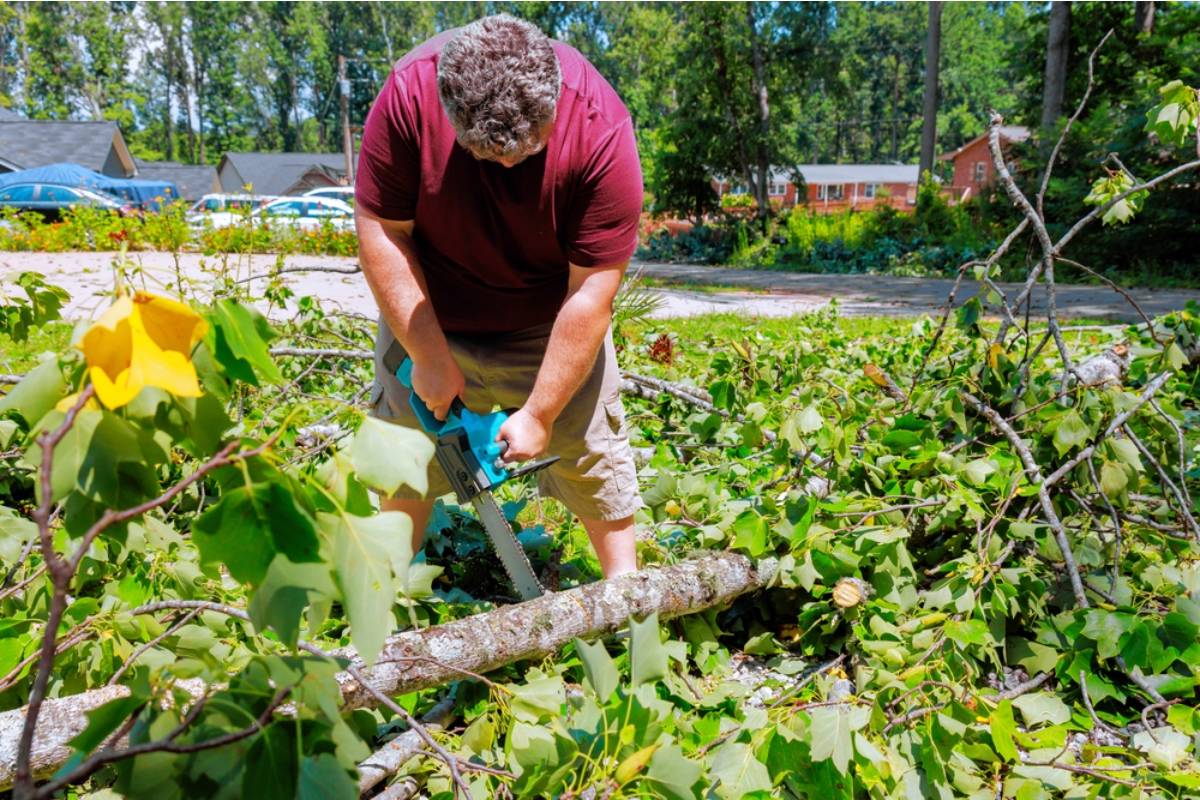
Then the family discovered that a tree and a bush had already been removed. The buyer was apparently responsible for arranging the work, despite not yet owning the property. That immediately raised concerns about what the buyer believed they were entitled to do before the paperwork was officially completed.
The Buyer Had Apparently Started Making Changes
The biggest problem wasn’t necessarily what had been removed, but when it had been removed. The buyer had not yet taken ownership, yet someone had apparently entered the property and arranged for landscaping to be changed.
Several responses from people pointed out that a buyer can be excited about a new house without actually owning it yet. Until closing, the seller remains responsible for the property under the terms of the transaction, and unauthorized work can create a completely unnecessary mess. Even if everyone expects the sale to happen, unexpected changes can create questions about responsibility if something goes wrong.
The Rose Bush Made the Situation Personal
At first, some people couldn’t understand why the family cared so much about a tree and a bush that were supposedly going to belong to the buyers anyway. The person later explained that the rose bush had been planted by the family member who had passed away. It wasn’t simply another piece of landscaping that happened to be sitting in the backyard.
The family had also spent countless events together in that yard. Birthdays, gatherings, holidays, and ordinary family moments had given the property sentimental value that wouldn’t show up on a real estate listing. Removing the rose bush before the sale therefore felt less like ordinary landscaping and more like someone had casually erased part of the family’s history.
One Response Suggested a Simple Warning
A response from a person offered what seemed like the most straightforward solution. The person’s advice was essentially to have the seller’s agent tell the buyer’s agent that the buyer did not own the house yet.
That message could have been enough to prevent anything else from happening. The buyer could have been reminded that any renovations, landscaping, demolition, or other changes needed to wait until the transaction was actually complete. It would also create a clear record that the seller had not authorized further work.
Other People Warned About What Could Go Wrong
Another response from a person pointed out that people sometimes get so excited about buying a house that they begin remodeling before the closing has happened. That can become a nightmare if the transaction unexpectedly falls apart.
Imagine a buyer ripping out a kitchen, removing landscaping, or making other expensive changes, only for the sale to collapse afterward. The seller could then be left with a property that looks completely different from the one that was originally under contract. The tree removal in this case wasn’t nearly as dramatic as gutting a kitchen, but it illustrated the same underlying problem.
The Insurance Question Made Things Even Trickier
Several responses from people focused on liability. If a buyer or one of their contractors was injured while working on the property before closing, questions could arise about who was responsible.
There was also the possibility of accidental property damage. A tree could fall onto a house, damage a neighbor’s property, hit a vehicle, or cause some other expensive problem during removal. The fact that the buyer was planning to own the property eventually wouldn’t necessarily make those complications disappear.
Some People Thought It Was Only a Problem If the Sale Failed
A large number of responses took a practical approach. They argued that if the sale closed exactly as planned, the seller would ultimately receive the agreed-upon money and the buyer would own the property anyway.
From that perspective, the timing was irritating but ultimately irrelevant. The buyers wanted the tree and bush gone, and they would have been entitled to remove them after closing. Several people therefore suggested documenting what happened, telling the buyers not to make any more changes, and simply completing the transaction.
Others Saw the Removal as a Major Overstep
Not everyone agreed that it should be brushed aside. A response from a person pointed out that the buyers did not own the property when the work was performed.
That distinction mattered because contracts can fail for many reasons. If the deal collapsed after the unauthorized removal, the seller could potentially be left trying to sell a property that no longer looked the way it had when the buyer made the offer. The fact that the buyers intended to own the property didn’t give them unlimited permission to treat it as their own before closing.
Someone Compared It to Damaging a Car
One particularly memorable response from a person used a car comparison to make the point. The basic idea was that agreeing to buy something in the future doesn’t mean you can damage it beforehand simply because you expect to receive it later.
The comparison sparked its own disagreement. Another person argued that removing a tree from a vacant yard was different because it didn’t necessarily leave the seller with a meaningful financial loss if the transaction closed. The debate highlighted the central tension in the story: something can be legally questionable and personally offensive while still having little practical financial consequence if the sale goes through.
The Buyer May Have Simply Been Overexcited
A few responses from people suggested a much less sinister explanation. Perhaps the buyer had contacted a landscaping company to schedule the work for after closing, but someone misunderstood the timing.
One person even shared a similar experience involving a service provider arriving earlier than expected because of a scheduling or communication mistake. That possibility didn’t explain everything, but it did offer a reason to communicate through the real estate agents before assuming the buyers intentionally crossed a line. A simple conversation might have revealed whether the tree removal was deliberate or the result of a contractor’s mistake.
The Family Wanted to Know Who Gave Permission
Another obvious question emerged: how did the buyer or their workers gain access to the property in the first place? The house was vacant, so someone apparently had to provide access or allow the workers onto the property.
A response from a person wondered whether the buyer’s agent had provided keys or otherwise facilitated access. That made the situation potentially more serious because access before closing is often tightly controlled. If the buyer had been permitted to enter for inspections or measurements, that didn’t automatically mean they had permission to begin altering the property.
People Warned the Buyer to Stop Immediately
Even those who thought the situation wasn’t worth fighting over generally agreed on one thing: the buyer shouldn’t make any more changes before closing. The seller’s agent could communicate that clearly through the buyer’s agent.
That would protect both sides from a much bigger problem. Removing another tree, changing the structure, damaging a wall, or starting a renovation could create consequences that would be far harder to resolve. The safest approach seemed to be keeping the property exactly as it was until ownership officially changed hands.
The Family Considered the Emotional Side of the Sale
As more responses questioned why the family cared about the landscaping, the person explained that the issue was deeply connected to grief. The relative who had owned the house was gone, and the rose bush was something that person had personally planted.
The family also had years of memories tied to the property. They understood that once the house was sold, the new owners would eventually have the right to change the landscaping however they wanted. What hurt was seeing those changes happen before the sale was even finished and without anyone asking permission.
Some People Thought the Family Was Overreacting
Several responses from people argued that pulling out of the sale was an emotional decision. Their reasoning was that if the family didn’t want to see the property changed, selling it would inevitably lead to that possibility.
Once the transaction was complete, the buyers could remove the rose bush, cut down trees, repaint rooms, remodel the kitchen, or completely redesign the yard. From that perspective, the family might eventually have faced the same emotional pain after closing. Some people therefore believed it made more sense to complete the sale and move on.
Others Understood Why the Buyers Lost Their Trust
The family saw the situation differently. For them, the issue wasn’t simply that a plant had been removed, but that the buyers had apparently shown a willingness to make decisions about the property before they were entitled to do so.
That behavior changed how the family viewed the people who were about to move into their relative’s former home. They no longer felt comfortable handing the property over to buyers who, in their view, had already demonstrated disrespect for boundaries. The unauthorized landscaping became a symbol of a much bigger loss of trust.
The Family Eventually Pulled Out
Then came the twist that changed the entire discussion. The person later updated the story to say that the family had decided to pull out of the transaction because of the breach of contract and the buyers’ behavior.
That decision surprised many people because most responses had focused on protecting the sale. Instead of treating the tree removal as an annoyance that would disappear once the check cleared, the family decided the relationship with the buyers had already gone too far in the wrong direction. The planned sale was no longer simply a financial transaction to them.
The Update Changed Everyone’s Perspective
Once people learned that the family had actually canceled the deal, the discussion shifted toward whether that was a wise move. Some responses said the family had thrown away a sale over landscaping that the buyers would eventually have been allowed to remove anyway.
Others understood the decision much more clearly after learning about the sentimental value of the rose bush. To those people, the issue wasn’t really about gardening or property value anymore. It was about discovering that the people preparing to take over a loved one’s home had already made unauthorized changes before they even owned it.
The Family Wanted Reassurance More Than Revenge
The person eventually explained that they probably needed reassurance about a decision they had already made. The situation had happened during an already difficult period following the death of a family member.
They weren’t simply looking for a way to punish the buyers or recover the cost of a replacement plant. They wanted confirmation that their discomfort over the buyers’ behavior wasn’t completely unreasonable. After reading the range of reactions, they seemed to understand that reasonable people could disagree about whether canceling the transaction was practical while still recognizing why the incident felt deeply upsetting.
The Bigger Lesson Was About Waiting for Closing
The story also offered a useful lesson for future buyers. Being under contract isn’t necessarily the same thing as owning the property, and enthusiasm about a future home can create problems if someone starts treating it as their own too early.
A buyer can plan renovations, contact contractors, choose paint colors, and imagine what the backyard will look like. Actually carrying out those plans before closing, however, can create unnecessary legal, insurance, and contractual complications. Waiting until the keys officially belong to the buyer may be much less exciting, but it is considerably safer.
The Rose Bush Became the Symbol of the Whole Dispute
In the end, the rose bush represented much more than a piece of landscaping. It was planted by someone the family had lost, and it had remained in the backyard through years of memories and family gatherings.
The buyers may have seen an unwanted bush that they intended to remove anyway. The family saw a personal connection to someone who was no longer there. That difference in perspective explains why an otherwise ordinary landscaping decision became the final straw in a home sale that had seemed destined to close.
A Sale That Should Have Been Simple Fell Apart
What began as a straightforward property transaction ended with the sellers walking away because the buyers made changes before they actually owned the house. Some people believed the family should have ignored the incident and collected the sale proceeds. Others believed the buyers had crossed an obvious boundary and that the family’s reaction was understandable.
Ultimately, the family decided that the trust was gone and that they didn’t want those particular buyers taking possession of their relative’s home. The disagreement wasn’t really about whether a tree could eventually be removed. It was about the moment the buyers decided they could remove it, and the fact that they apparently never thought they needed to ask.