Homeowner Says Her Sister Has Been Taking Credit for the Family Vegetable Garden at Every Holiday Gathering for Three Years, Now She Has Started an Instagram Page About It Without Mentioning Her Once
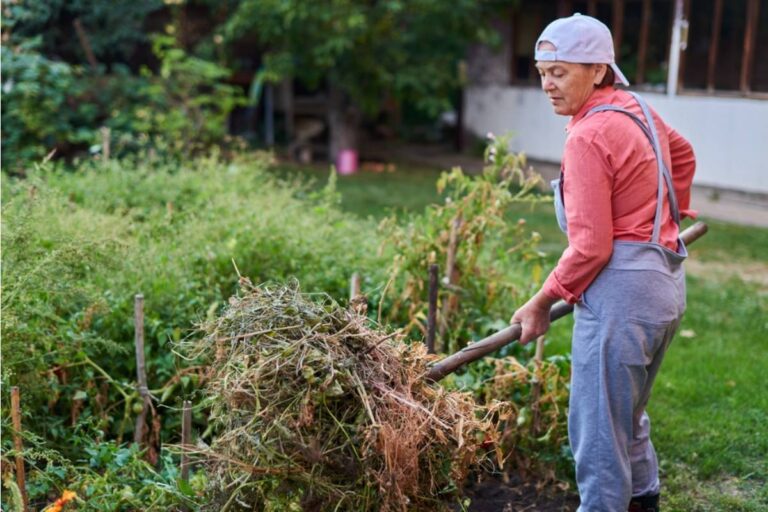
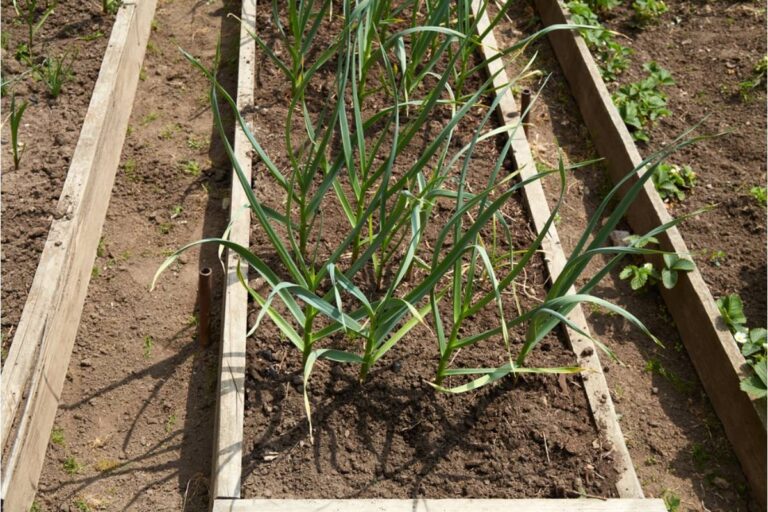
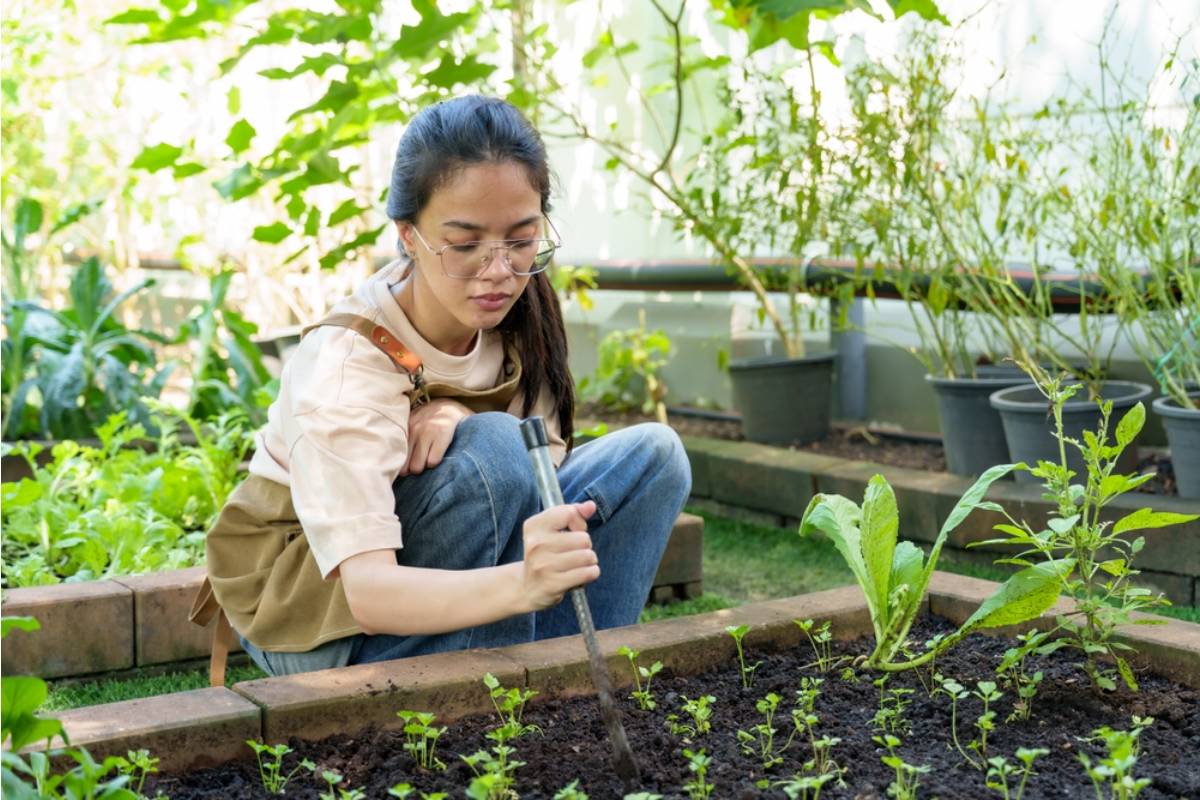
For as long as I can remember, gardening has been my favorite way to unwind. After buying my first home, I turned most of the backyard into a productive vegetable garden instead of installing a large lawn.
Every season taught me something new, and every harvest felt like proof that patience eventually pays off. My family often enjoyed the vegetables I grew, and I never expected anything in return except maybe a simple thank you. What I did not expect was watching someone else slowly rewrite the story until I barely existed in it.
The Garden Became the Heart of Family Dinners
Every holiday gathering seemed to include something from my backyard. Fresh tomatoes went into homemade salsa, herbs flavored roasted vegetables, and baskets of lettuce appeared on nearly every table during the summer.
My parents proudly told guests that the vegetables came from the family. I never minded that wording because everyone knew I was the one growing them. It felt like a shared celebration rather than a competition.
My younger sister, Emily, usually helped wash vegetables before meals. At that point, her involvement ended there, and nobody questioned it.
The First Time I Noticed Something Strange
During a Fourth of July barbecue, one of my cousins complimented the peppers. Before I could answer, Emily smiled and began explaining how difficult it had been to keep them healthy during the early part of the growing season.
I stood there quietly because none of what she described had actually happened.
She talked confidently enough that everyone assumed she knew exactly what she was discussing. By the end of the conversation, several relatives were thanking her for all the hard work.
I Thought It Was Just an Awkward Moment
On the drive home, I convinced myself Emily had simply misspoken. Families interrupt one another all the time, and I didn’t want to create unnecessary conflict over something that seemed so small.
The next holiday arrived a few months later.
The exact same thing happened again.
This time she described the raised beds as if she had built them herself. Nobody corrected her because everyone seemed to assume she was telling the truth.
The Stories Became More Detailed
As the months passed, Emily’s stories grew increasingly elaborate. She described choosing seed varieties she had never planted and solving gardening problems she had never experienced.
Sometimes she even laughed about mistakes that had actually been mine.
Listening to someone confidently narrate your own memories is a strange experience. I found myself wondering whether anyone else noticed the details changing from one gathering to the next.
Friends Started Asking Me Odd Questions
One afternoon, a family friend asked why I never appeared in my sister’s gardening stories anymore. I had no idea what she meant until she explained that Emily constantly talked about the garden whenever they met.
According to the friend, Emily presented herself as the person responsible for nearly everything growing in the backyard.
That conversation stayed with me for days because it suggested the problem extended far beyond holiday dinners.
Social Media Changed Everything
About three years after the credit taking first began, Emily launched an Instagram page dedicated to gardening. Several relatives excitedly shared the account in our family group chat.
Curious, I opened it.
The first thing I recognized was a close up photograph of my tomato beds.
Then I saw another post featuring my greenhouse.
Another showed my compost station from an angle that could only have been photographed while visiting my property.
My Name Was Missing Completely
I scrolled through dozens of posts expecting to find some mention that the garden belonged to me.
There wasn’t one.
The captions repeatedly used phrases like “my harvest,” “my growing methods,” and “my favorite raised beds.” Anyone viewing the page would naturally believe she owned the entire property.
What surprised me most was that many of the photos had clearly been taken while we were hosting family gatherings.
Comments Began Creating New Problems
Followers started asking Emily specific questions about the garden. They wanted advice about irrigation, soil mixtures, crop rotation, and pest management.
She answered confidently, even when the information directly contradicted the methods I actually used.
A neighbor eventually showed me one of the posts and said, “I didn’t know your sister was the gardener.”
That single sentence bothered me more than anything Emily had said herself.
I Quietly Collected the Facts
Instead of confronting her immediately, I spent several evenings organizing old photographs stored on my computer. Every growing season had been carefully documented from the day I built the first raised bed.
The images showed me hauling lumber, installing irrigation lines, mixing compost, and planting seedlings year after year.
I also found dozens of family photos where Emily appeared as a guest holding freshly harvested vegetables while I worked in the background.
Without trying, I had unintentionally created a complete timeline.
Thanksgiving Brought the Tension to the Surface
At Thanksgiving, one of my uncles congratulated Emily on her successful gardening page. He jokingly suggested she should teach gardening classes because she clearly knew what she was doing.
Emily thanked him and smiled.
Before she could continue, my father quietly asked, “Didn’t your sister build that garden?”
The room suddenly became very quiet.
Emily hesitated before saying they had both been involved.
I knew that wasn’t true.
A Private Conversation Finally Happened
After dinner, I asked Emily if we could speak alone. I showed her several screenshots from the Instagram page alongside the original photographs stored on my phone.
I calmly explained that I wasn’t upset she enjoyed gardening content.
I was upset because she had built an online identity around work she hadn’t done while completely removing the person who had actually created it.
For a long moment, she said nothing.
An Unexpected Explanation
Emily admitted she had originally posted the photos because friends kept complimenting the vegetables she brought to family dinners. She found herself enjoying the attention and gradually stopped correcting people’s assumptions.
Over time, she said it became harder to admit the truth because the account kept growing.
She insisted she never intended to erase me from the story. She simply kept postponing the moment when she should have explained where everything came from.
I told her that every delayed correction made the situation worse.
Making Things Right
The following week, Emily updated her profile biography. She explained that the featured vegetable garden belonged to her sister and that she documented the seasonal harvests with permission.
She also edited several captions to credit my work and posted a photo of both of us planting seedlings together. The response from her followers surprised both of us.
Instead of criticizing her, many people appreciated the honesty and thanked her for acknowledging the person behind the garden.
A Different Kind of Harvest
Family gatherings feel different now. When relatives ask gardening questions, Emily often turns toward me and says, “She’s the expert. I just love sharing what she grows.”
Those simple words repaired more than I expected.
The experience taught me that recognition is not about seeking praise. It is about preserving the truth behind years of quiet effort. Gardens do not flourish because someone tells a good story. They flourish because someone spends countless mornings pulling weeds, improving soil, solving problems, and showing up season after season. I never needed applause for that work, but I did need the story to belong to the person who actually lived it.