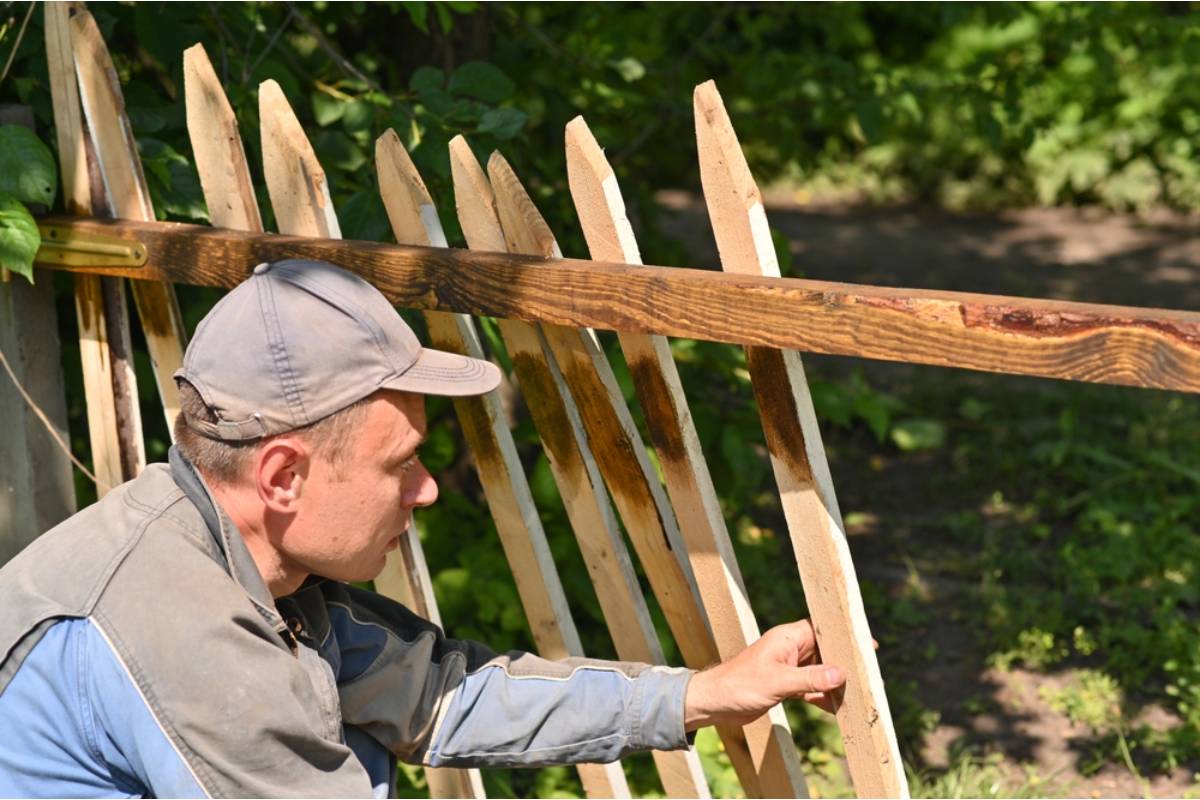
Homeowner Says Her Neighbor’s New Fence Post Holes Were Dug Straight Through Her Root System, Now Half Her Established Shrubs Are Dying
The homeowner first noticed the digging when she heard steady scraping through the backyard one afternoon. On the other side of the fence, a crew had arrived and started marking a new boundary line. No one had informed her beyond a vague notice taped to the neighbor’s door the week before. The stakes looked close, but she assumed they would stay within their side. By evening, several deep holes were already cut into the ground along the shared edge.
The first concern about the garden bed
She walked over to the fence and called out to the foreman, asking where exactly the posts would go. He pointed to the marked line and said everything was within the neighbor’s property boundary. But that line ran uncomfortably close to her established shrub bed, where roots had spread for years. She mentioned the possibility of root damage, but he shrugged and said they were only digging vertical holes. The conversation ended quickly, leaving her uneasy.
The shrubs begin showing sudden stress
Within days, several shrubs along the fence started to droop unexpectedly. Leaves that were once full and green began curling at the edges without clear reason. She checked watering schedules, soil moisture, and sunlight exposure, but nothing had changed. The only recent disruption had been the fence installation. It was hard to ignore the timing, even if she could not see the cause directly.
A closer look reveals disturbed soil patterns
She decided to inspect the fence line more carefully and noticed uneven settling in the soil. Some sections near the posts looked compacted, while others had small gaps as if roots had been pulled apart. When she gently tested the ground, it gave way more easily than before. It felt like something underground had been cut or displaced. That was the first moment she seriously considered root damage.
The neighbor insists it is standard installation
When she brought it up with her neighbor, he insisted the contractor followed standard procedure. He said fences are built like this every day without affecting surrounding plants. He added that shrubs are hardy and should recover if they were healthy enough. His tone suggested the issue was being exaggerated. She left the conversation feeling dismissed rather than reassured.
The first shrub collapses completely
A week later, one of the largest shrubs near the corner fence simply gave out. It did not gradually decline, it tipped and leaned as if its foundation had been removed. When she pulled it slightly, it came out with very little resistance. The root system looked partially severed on one side. That was when she realized the damage was not minor.
A landscaper confirms what she feared
She called in a local landscaper to inspect the affected area. After a few minutes of checking the soil, he pointed out clean cuts in several root sections. He explained that deep post holes can slice through established root networks if placed too close. He also noted that shrubs often rely on wide, interconnected root systems for stability. The explanation confirmed that the fence line had intersected her garden’s underground structure.
Tension rises between property lines
Armed with that information, she returned to the neighbor again. This time, she showed him photos of the uprooted shrub and damaged roots. He became defensive and said the fence had already been approved and built according to code. The conversation escalated quickly, with both sides standing firm on responsibility. It ended with no agreement and a clear sense of frustration on both sides.
More plants begin to weaken at once
Over the following days, multiple shrubs started showing similar signs of decline. Some leaned slightly, while others lost leaves faster than normal seasonal change would explain. It became clear that the damage was not isolated to one plant. The entire section along the fence was under stress. She started marking plants with tags to track which ones were worsening.
A second opinion changes the direction of the dispute
Another arborist was brought in after she requested a more detailed assessment. He traced likely root paths using soil resistance patterns and confirmed multiple disruptions along the fence line. He explained that even partial root severing can destabilize older shrubs over time. He also noted that recovery would depend on how much of the root network remained intact. The report gave her something concrete to present.
The contractor revisits the site reluctantly
The original fence contractor returned to inspect the situation after being contacted. He admitted that some holes were placed closer than ideal but insisted adjustments were limited by boundary constraints. However, he acknowledged that root zones were likely affected in several spots. His tone shifted from defensive to cautious as he saw the extent of plant damage. It was the closest thing to partial admission she had received.
Emergency trimming to save what is left
A decision was made to trim back heavily affected shrubs to reduce stress on remaining roots. Branches were cut back significantly to help the plants conserve energy. The yard looked bare along the fence after the work was done. It was a practical step, but visually it felt like a loss. The once dense green border was now uneven and thinned out.
Slow signs of recovery begin to appear
After weeks of careful maintenance, a few shrubs started showing faint signs of recovery. New leaves appeared in small clusters rather than full branches. The progress was slow, but it suggested that not all root systems were completely destroyed. She continued monitoring soil conditions closely to prevent further stress. The situation did not fully heal, but it stopped getting worse.
A fence that changed the entire boundary
The new fence stood finished, but it came with an unintended cost beneath the surface. What looked like a simple property upgrade had permanently altered the garden’s structure. The affected shrubs would likely take seasons to fully recover, if they recovered at all. Every time she looked at the fence line now, she thought less about wood and more about what had been cut underground.