A Gardener Watched His Beloved Cherry Tree Split During a Storm and Flatten His Vegetable Garden, Then Realized the Fallen Wood Could Give the Garden a Second Life
A person shared his story about an enormous old cherry tree that had become one of the most important parts of his wild permaculture garden. He already knew the tree was aging, and deep down, he had always suspected that one powerful storm might eventually bring it down. Still, knowing something is coming does not make watching it happen any easier.
The cherry tree was more than a source of fruit because it had slowly become a habitat of its own. Birds, insects, fungi, and other small creatures depended on the aging wood, and the gardener had deliberately allowed parts of the tree to deteriorate naturally. Every year it continued producing cherries, almost as if it had decided to ignore the calendar.
One Storm Changed Everything
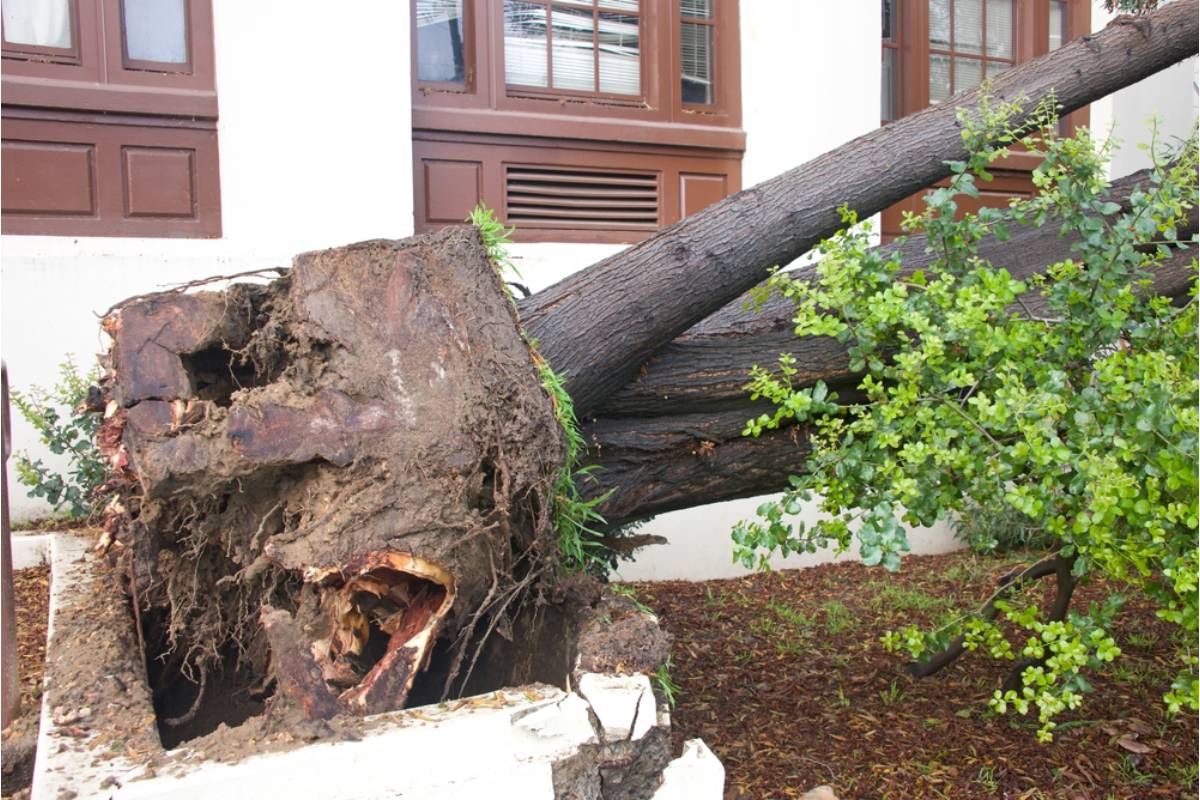
Then came the storm, and in a single violent moment, the old cherry tree broke dramatically in half. The enormous crown crashed directly into the garden below, flattening rows of vegetables that had taken months of work to grow. The gardener described standing there afterward with corn, pumpkins, beans, peas, tomatoes, carrots, chilies, cucumbers, peppers, and countless other plants crushed beneath the branches.
The damage looked almost unreal because the garden had changed so completely in just a few seconds. Plants that had been reaching toward the sun were suddenly buried beneath a tangled mass of wood and leaves. The gardener knew immediately that this was not going to be a simple pruning job.
The Garden Was Buried Under Branches
For someone who had poured his heart into a wild, messy, living garden, the destruction was especially painful. The vegetables were not just plants waiting to be replaced at a nursery because they represented weeks of watering, planting, observing, and patiently waiting. Even the strawberry plant and numerous herbs had been caught underneath the enormous fallen crown.
There was also a strange emotional conflict hanging over the whole scene. The gardener knew that nature had simply done what nature does, yet that knowledge did nothing to erase the feeling of loss. He could accept the storm logically while still wanting to cry over the garden he had built.
The Worst Part Was Yet to Come
Unfortunately, the broken tree was not merely an unfortunate garden accident that could be cleaned up and forgotten. The remaining crown had become unstable, and more of it was leaning dangerously sideways toward nearby property. With additional storms expected, leaving the damaged sections standing could have turned a garden tragedy into a much more serious accident.
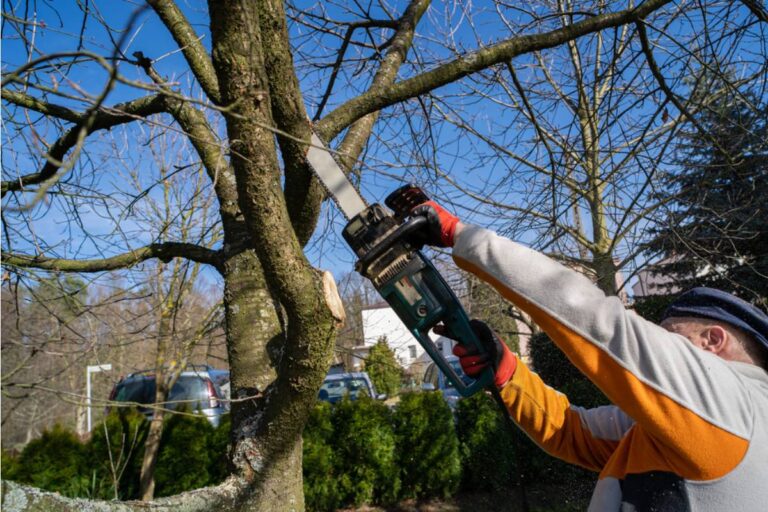
A neighboring arborist examined the tree and explained that most of the remaining crown would need to be removed. Only a section of the trunk, roughly two meters tall, could safely remain standing. That meant the gardener was facing the heartbreaking reality that the tree would soon be dramatically smaller than the one he had known for years.
He Had Tried to Keep It Alive
What made the decision even harder was how much effort the gardener had already invested in extending the tree’s life. He had previously removed large branches that were no longer sturdy, trying to keep the old cherry standing while preserving its value as habitat. The tree was already home to fungal growth and creatures that depended on old, decaying wood.
One especially interesting visitor was chicken of the woods, which had been growing on the tree for several years. The fungus was part of the reason the gardener had tolerated the tree’s increasing decay for so long. He had hoped the old cherry could continue serving wildlife even as its productive years slowly came to an end.
People Saw Something Valuable in the Wreckage
As the gardener began thinking about cutting the tree apart, a response from a person suggested that the wood should not simply be thrown away. Cherry wood can be beautiful when properly dried and worked, and the fallen trunk could potentially become furniture, bowls, spoons, cutting boards, or other pieces of craftsmanship. Suddenly, the remains of the destroyed tree looked less like rubbish and more like material waiting for another chapter.
Other suggestions followed, including finding local woodworkers who might appreciate the aged cherry. Someone even pointed out that suitable seasoned cherry wood can be useful for outdoor cooking and smoking. The gardener had been looking at the wreckage as the remains of a beloved tree, while everyone else was beginning to imagine what that wood could become.
A Fallen Tree Could Become a Memory
The idea of turning the cherry into art particularly caught the gardener’s attention. Instead of allowing every piece of the tree to disappear into a pile of waste, he planned to keep some of the wood and let it dry for several years. Eventually, he hoped to turn the cherry on a lathe and create something permanent from it.
Another response from a person suggested making a large wooden slab and engraving a picture of the tree into it. That idea gave the gardener another way to preserve the story of the tree without pretending the storm had never happened. The tree might disappear from the garden, but a piece of it could remain in the home for decades.
The Trunk Did Not Have to Die Completely
There was also the possibility of leaving part of the trunk standing rather than removing every inch. The arborist had determined that approximately two meters could safely remain, which meant the old cherry could continue existing as a standing habitat feature. Even after losing its crown, the trunk could still provide valuable space for fungi, insects, birds, and other organisms.
That possibility changed the emotional picture slightly. The tree would no longer look the same, and the gardener would certainly miss its old canopy, but the story did not have to end with a completely empty patch of ground. What had once been a giant cherry tree could become a standing monument to everything that had lived within it.
Someone Asked About Growing a New Cherry
Among the many practical suggestions was one particularly hopeful idea: save healthy cuttings from the old tree. A person responding to the story suggested propagating a new tree from suitable material, giving the gardener a chance to carry part of the original tree into the future. The gardener admitted that he planned to try.
That possibility introduced a completely different kind of hope into an otherwise heartbreaking situation. The original tree could be gone, but its genetics might continue through a new plant if the propagation worked. Instead of simply replacing the cherry with a completely unrelated tree, the gardener might someday watch one of its descendants grow in the same garden.
The Garden Suddenly Had a Blank Canvas
Once the shock began to settle, another response from a person offered an unexpectedly optimistic perspective. The fallen tree had destroyed much of the garden, but it had also opened an enormous amount of sunlight that had previously been blocked by the canopy. The destruction had created space for a completely new design.
For a gardener who followed permaculture principles, that possibility was impossible to ignore. Crops could be rearranged, new species could be introduced, and areas that had always struggled for sunlight could finally become productive. It was not the garden he had planned, but perhaps the next version could contain ideas he had never been able to try before.
The Dead Wood Could Still Become Habitat
The gardener’s original dream of creating habitat did not necessarily have to disappear with the tree. Large logs and branches could be arranged into habitat piles where insects and other small creatures could continue using the wood as shelter. Instead of removing every trace of the cherry, parts of it could remain integrated into the ecosystem.
That meant the old tree could continue doing ecological work even after it stopped being a living canopy. Decay, fungi, insects, and soil organisms could all benefit from the material left behind. In a strange way, the tree’s death could create a new kind of life across the garden.
The Damage Was Bigger Than He Expected
As the branches were cleared, the scale of the destruction became easier to understand. Rows that had once been full of different vegetables were now tangled beneath broken limbs and leaves. A season’s worth of effort seemed to have vanished overnight.
Yet there were still small victories hiding among the wreckage. Some plants might recover, some herbs could be replanted, and some seeds and roots could survive the impact. The gardener began shifting from mourning everything that was lost toward discovering what could still be saved.
The Cherry Wood Became Part of the Recovery Plan
The more people suggested ways to reuse the timber, the more the gardener began seeing the fallen tree differently. Instead of treating the wood as something that had to be hauled away, he could preserve sections for future projects. The beauty of aged cherry meant that the tree could eventually return as something entirely different.
A table, bowl, spoon, sculpture, engraved slab, or another handmade object could carry the tree’s story forward. Years from now, someone could look at a piece of cherry wood and have no idea it once stood over a chaotic vegetable garden. The gardener, however, would remember exactly where it came from.
The Sad Ending Was Not Really the Ending
The old cherry tree had been expected to fail someday, but knowing that never prepared the gardener for the moment it finally happened. The storm took down half the tree, destroyed much of the garden, and forced a decision that had once seemed impossible. Yet the remaining trunk, the salvaged wood, possible cuttings, and the newly opened garden space all offered ways forward.
The final twist was that the destruction created the ingredients for a new beginning. The tree that had once shaded the garden could become habitat, artwork, propagation material, and even the foundation for a redesigned growing space. What looked like the sudden end of a beloved garden chapter might eventually become the beginning of its most unusual one.