A Homeowner Wanted to Turn an Old Storage Shed Into a Winter Garden Shelter, Then Realized Her Chickens and Cats Needed Very Different Things
A person shared his story about an old wooden storage building that was sitting unused and potentially facing a major makeover. Rather than letting it remain empty, he started imagining it as a combined shelter for his chickens and outdoor cats. What began as a simple renovation idea quickly turned into a much bigger question about keeping several very different animals comfortable through every season.
The property is in central North Carolina, where winters are generally mild but can still bring surprisingly cold nights. For a few weeks each year, temperatures can fall into the teens after dark, which made the existing chicken setup feel less than ideal. With the current flock living in a two-horse trailer that he was ready to sell, the old shed suddenly seemed like the perfect answer.
The Chicken Trailer Was Running Out of Time
The horse trailer had apparently worked as a temporary chicken home, but it was never designed to be a permanent winter shelter. As the colder months approached, the person began worrying that the setup simply would not hold enough warmth for the birds. Selling the trailer would also free up space and eliminate a makeshift arrangement that had already started to feel impractical.
That was when attention turned toward the wooden storage building. It had the basic bones of a useful coop, including a solid enclosed structure and enough room to create separate areas inside. The challenge was figuring out how to turn an ordinary storage shed into something that could handle chickens, cats, feed, bedding and North Carolina weather.
The Roof Needed a Complete Overhaul
Before any animals could move in, the roof and floor would need to be replaced. The person was leaning toward metal roofing because it would provide a durable covering capable of standing up to rain and other weather. But there was another idea that made the renovation especially interesting: adding sections of clear roofing material to bring natural light inside.
That little detail could make the building feel much more like a livable animal shelter rather than a dark storage box. Natural light would help during the day and make the interior easier to maintain and inspect. At the same time, the transparent sections raised questions about how much heat might enter during the humid North Carolina summer.
Summer Humidity Could Be a Bigger Problem Than Winter Cold
Cold weather was the immediate concern, but the person quickly realized that summer might create an entirely different battle. Central North Carolina can become hot and humid, and a sealed wooden structure could easily turn into a stuffy environment. Keeping rain outside would be important, but trapping hot, moist air inside could create another set of problems.
That shifted the focus toward ventilation rather than simply adding insulation everywhere. A response from a person suggested thinking about the building as one large system that needs to stay dry, structurally sound and properly ventilated. In that view, keeping the shed comfortable would depend just as much on managing heat and humidity as it would on protecting the animals from cold weather.
Chickens and Cats Would Need Separate Spaces
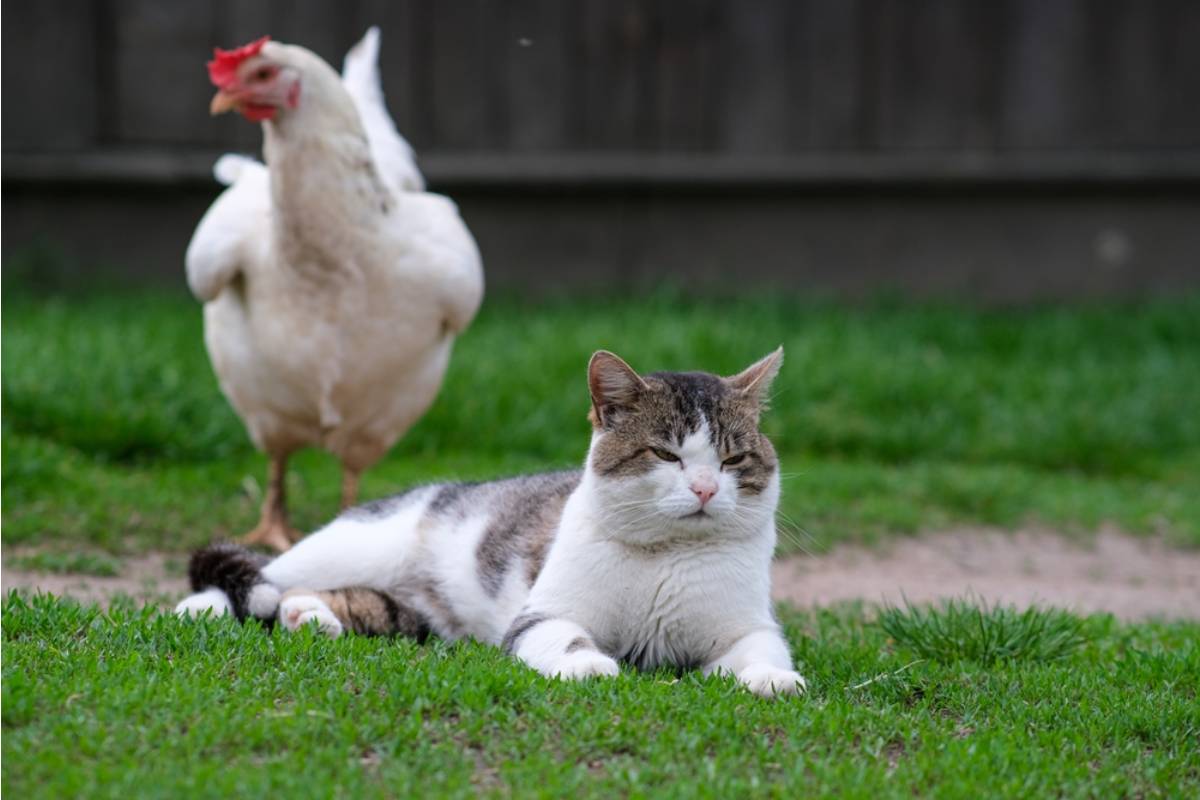
The original plan already included dividing the interior into different sections. One section would be used for storing feed and bedding, while another would become the chicken area where the birds could sleep and roost at night. The cats would have access only to the storage section so they could stay safely away from the chickens.
That separation also made the whole idea much more practical. Chickens could have their own protected nighttime space, while the cats would still have somewhere dry and sheltered to sleep and eat. Instead of forcing every animal to share the same environment, the shed could become a collection of smaller spaces designed around each animal.
The Cats Had Their Own Winter Wish List
The outdoor cats were not being treated as an afterthought. The person wanted to give them a warm, dry place to sleep and somewhere protected from rain, wind and freezing nights. Because the cats would remain in the feed and bedding section, they could have a cozy corner without disturbing the chickens.
A response from a person suggested going one step further by creating a smaller insulated shelter inside the larger building. That approach could give the cats a protected retreat without requiring the entire shed to be heavily insulated. It also showed how one large structure could work surprisingly well when smaller animal-specific spaces were built inside it.
The Chickens Might Not Need a Toasty Room
One of the biggest questions was whether the chickens themselves actually needed the entire building insulated. The person was understandably concerned about keeping them warm during the occasional cold spell, especially after questioning whether the horse trailer was warm enough. But the advice that followed suggested that chickens may do better with a dry, well-managed shelter than with a tightly sealed and overheated building.
A response from a person explained that their own chickens lived in a similar shed without insulation. Their flock stayed comfortable through bedding and body heat, which offered an interesting alternative to covering every wall with insulation. Suddenly, the focus became less about making the entire shed warm and more about creating the right sleeping area.
Bedding Could Become Part of the Heating Strategy
Deep, dry bedding quickly emerged as one of the simplest tools available. Instead of relying entirely on construction materials to trap warmth, the chickens could benefit from bedding that helped protect them from cold surfaces while remaining dry. Good roosting areas could then give the birds a comfortable place to settle together overnight.
That idea also came with an important warning. One response from a person living in Idaho said their own chickens effectively insulated themselves with bedding and body heat. However, they also pointed out that chickens may try to eat exposed insulation, meaning any insulating material would need to be completely sealed away.
The Shed Could Become a Miniature Animal Homestead
At this point, the project started looking like much more than a basic chicken coop. With the right divisions, the storage building could become a miniature homestead hub containing an animal room, supply storage and protected sleeping spaces. Feed could stay organized in one section while bedding and other necessities remained close at hand.
That arrangement would also make daily chores easier. Instead of walking between multiple outdoor structures in bad weather, everything could be kept under one roof. The old shed was starting to look less like unused storage and more like the center of a carefully planned backyard animal setup.
Ventilation Became the Secret Ingredient
The more the plan developed, the clearer it became that ventilation might be one of the most important parts of the renovation. Chickens generate heat and moisture, while summer weather can turn an enclosed shed uncomfortable remarkably quickly. Good airflow could help prevent the interior from becoming damp without exposing the animals to harsh drafts.
A response from a person recommended designing the larger structure around heat and humidity from the beginning. That means thinking about airflow, dry conditions and easy access before worrying about cosmetic details. In a project like this, a beautiful shed with poor ventilation could quickly become a frustrating animal shelter.
Natural Light Could Change the Whole Feeling of the Space
The idea of adding clear roofing sections was another clever part of the plan. More daylight could make the building brighter and easier to work in during daytime chores. It could also make the interior feel less like a dark storage building and more like a purpose-built animal shelter.
Still, the clear roof sections would need to be balanced against the summer heat. Too much direct sunlight could turn a small enclosed building into a greenhouse at exactly the wrong time of year. The solution may be less about abandoning the idea and more about placing the transparent sections carefully while making sure there is enough ventilation.
An Idaho Shed Offered an Unexpected Comparison
One of the most useful responses came from a person living in Idaho, a place with considerably harsher winters. They explained that their cats and chickens lived together in a similar shed without insulation. Instead, bedding and the animals’ own body heat provided much of the warmth they needed.
That comparison gave the homeowner an interesting perspective. If a simple shed could work in a much colder climate with the right internal setup, perhaps the North Carolina building did not need to be transformed into a fully insulated winter box. The trick would be creating dry, protected sleeping areas while allowing the main structure to breathe.
The Real Challenge Was Designing for Two Seasons
Winter and summer were pulling the renovation in opposite directions. During cold nights, the goal would be to protect the chickens and cats from freezing temperatures and drafts. During the humid summer, the priority would shift toward airflow, shade and preventing moisture from lingering inside.
That meant there was no single magic material that would solve everything. A person shared his story while trying to figure out exactly how much insulation, ventilation and roofing would make the structure work year-round. The project was becoming an exercise in balancing protection without accidentally creating an environment that was too hot or damp.
The Old Storage Building Might Have Been the Perfect Starting Point
By the end of the discussion, the biggest surprise was how adaptable the old building could actually be. What once looked like an outdated storage shed had the potential to become a chicken coop, cat shelter and organized supply room all at once. With a new floor, durable roof, carefully planned ventilation and separate animal spaces, it could finally have a second life.
The advice also changed the way the project could be approached. Instead of asking whether the entire structure needed to be insulated, the better question became what each animal actually needed inside it. Sometimes the best homestead projects are not about building something completely new, but about looking at an old structure and realizing it has been waiting for the right idea all along.