Homeowners Are Turning Front Yards Into Vegetable Gardens, And Neighbors Are Divided Over Whether It Improves or Ruins the Street View
Homeowners are increasingly turning their front yards into vegetable gardens, and what began as a practical way to grow fresh food has now sparked a debate among neighbors about aesthetics, property value, and changing neighborhood identity.
The Trend Started With Food Prices Rising
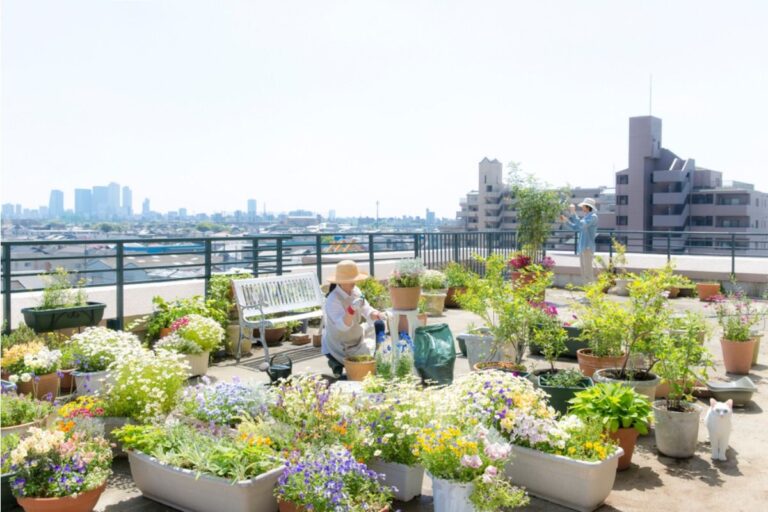
Many homeowners began using their front yards to grow vegetables as grocery costs increased. What used to be decorative grass or flowers was replaced with tomatoes, herbs, and leafy greens. The idea felt practical and productive. It also reduced reliance on store-bought produce. And for some, it became a rewarding hobby.
Early Results Looked Encouraging
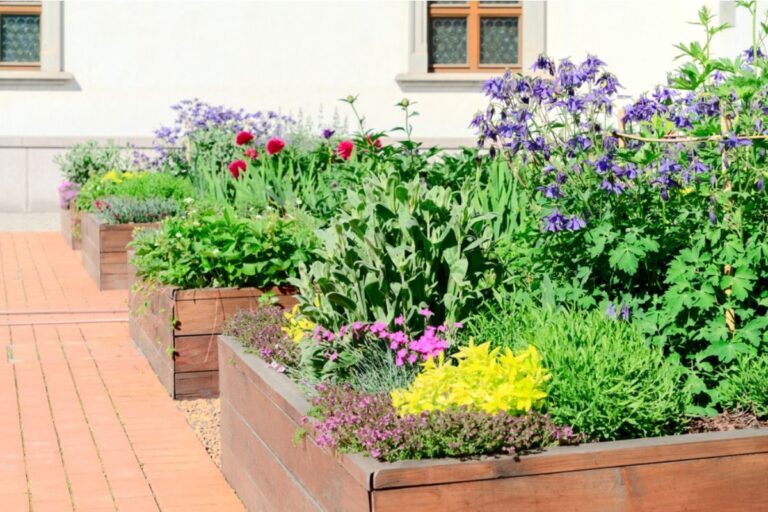
At first, the gardens looked neat and intentional. Raised beds, small trellises, and organized rows gave a tidy appearance. Some neighbors even complimented the fresh look. The yards felt more active and lived-in. And the idea started spreading quietly through the street.
Not Everyone Agreed on the Aesthetic
As more front yards changed, opinions began to split. Some residents appreciated the greenery and sustainability. Others felt it disrupted the uniform look of the neighborhood. They missed traditional lawns and flower beds. And differences in taste became more visible.
Concerns About “Street Appeal” Emerged
A few homeowners worried that vegetable gardens made the street look inconsistent. They believed it affected curb appeal. Especially in areas where property appearance was highly valued. They argued that uniform lawns created a cleaner impression. And that gardens changed that visual balance.
Supporters Focused on Practical Benefits
Those in favor highlighted the benefits of growing food at home. Fresh vegetables, reduced costs, and less waste were key points. They also emphasized environmental benefits like reduced packaging. For them, usefulness mattered more than appearance. And the gardens represented self-sufficiency.
Some Neighbors Raised Maintenance Questions
Concerns weren’t only about appearance. Some neighbors worried about maintenance and pests. Overgrown plants or fallen produce occasionally attracted insects. Others questioned how the gardens would look during off-seasons. These practical concerns added to the debate. And made opinions more divided.
Front Yards Became Personal Expression
For many homeowners, the change wasn’t just practical, it was personal. The front yard became a space for identity and values. Some saw it as a statement about sustainability. Others viewed it as breaking neighborhood norms. And both sides felt strongly about their choices.
Property Value Arguments Entered the Discussion
The conversation eventually shifted toward real estate concerns. Some believed vegetable gardens could lower resale appeal. Others argued modern buyers might appreciate sustainability. There was no agreement. And the uncertainty fueled more discussion. Especially among long-term residents.
Community Meetings and Conversations Increased
In some neighborhoods, the topic became part of informal discussions and community meetings. People shared opinions about guidelines and expectations. Suggestions ranged from design rules to full acceptance. But no universal agreement was reached. And each street handled it differently.
Seasonal Changes Highlight Differences
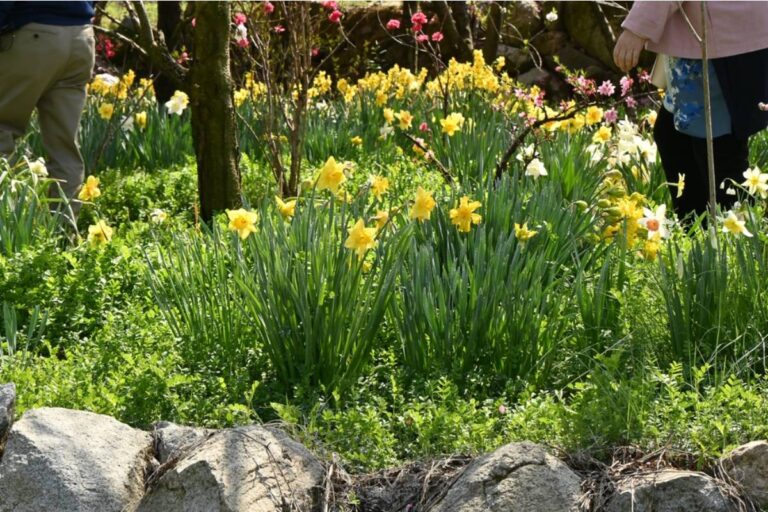
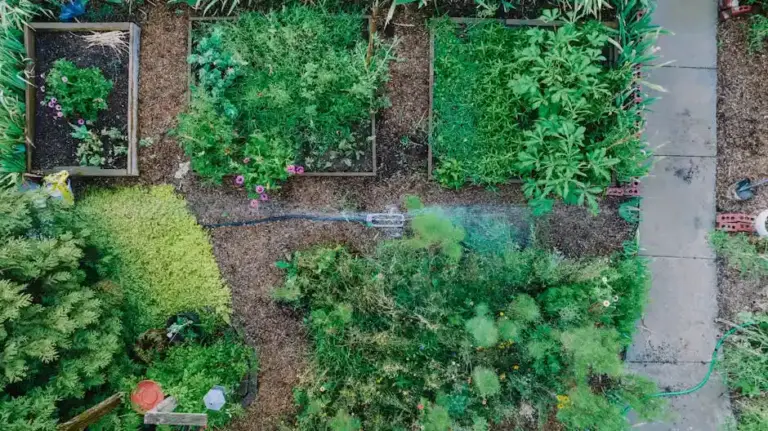
The appearance of front yards changed with seasons. In summer, gardens looked full and vibrant. In winter, they sometimes appeared bare or messy. This seasonal shift affected opinions. And reinforced differing interpretations of what looked “good.”
A Shift in How Neighborhoods Look and Feel
In the end, the debate isn’t just about vegetables versus lawns, it’s about how neighborhoods evolve and what residents value most: appearance, practicality, or sustainability.