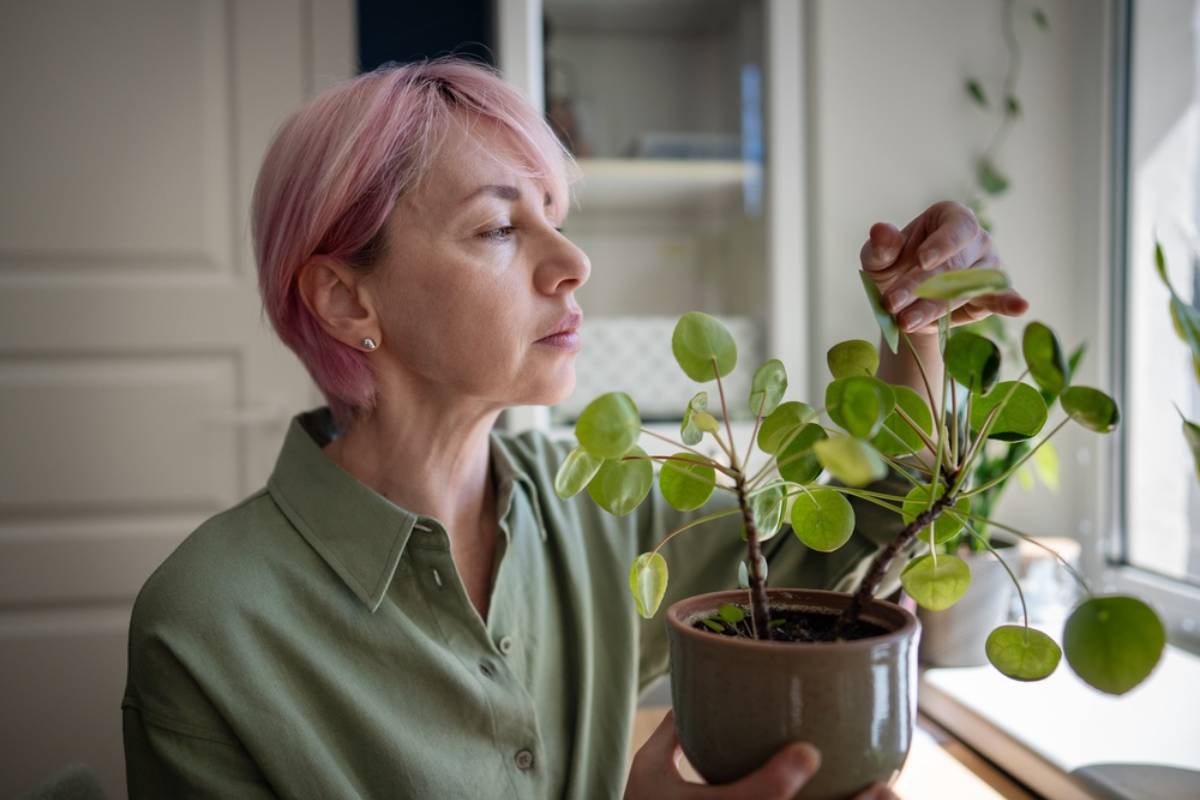
A Grieving Woman Was Given Two Plants After Her Brother Died, Then Realized She Couldn’t Stand Either One
A person shared her story about receiving two plants after the sudden and tragic death of her brother. Nearly a year and a half later, she was still struggling with the loss, and the plants had somehow become tangled up in all of those emotions. The strange part was that neither plant had ever belonged to her brother, and he did not even like plants.
One was an orchid given by colleagues at work, while the other was a hyacinth brought by two close friends. Instead of feeling comforted by the greenery, she found herself staring at two struggling plants that took up space, demanded attention, and reminded her of a painful time. Getting rid of them sounded simple until she actually reached for the pot.
The Orchid Was Alive, But Barely Hanging On
The orchid was still alive, although it was clearly struggling. Every bit of care it required felt more like a chore than a soothing ritual, and she admitted that she had begun resenting both the plant and the space it occupied. What was supposed to be a thoughtful gesture had quietly turned into another responsibility during an already difficult chapter.
There was something about the orchid that bothered her beyond gardening itself. The gift from her colleagues felt performative to her, as though the plant represented sympathy that never quite reached the place where her grief actually lived. Instead of becoming a comforting reminder, the orchid became a tiny green obligation sitting in plain sight.
Then There Was the Mysterious Hyacinth
The hyacinth came from two close friends she genuinely cared about, which made the situation even more complicated. They were an Iranian and Mexican couple, and she wondered whether the flower might carry some cultural meaning she did not understand. She loved the people who gave it to her, but the plant itself left her feeling uncomfortable in a way she could not easily explain.
To make matters stranger, the hyacinth had already lived through one dramatic comeback. It died back once, she mourned it, and she eventually reused the pot for cuttings that also died. Then, almost like a stubborn little survivor in a garden story, the hyacinth somehow revived and returned to life.
The Comeback Made Everything Worse
That unexpected revival changed the emotional equation completely. When the plant had died, she had already experienced the sadness of watching it disappear, but its return made giving up on it feel almost impossible. It was as though the plant had decided that the decision was no longer hers to make.
Every time she considered throwing it away, the revived growth seemed to add another layer of guilt. A struggling plant was one thing, but a plant that had already survived felt symbolic in a way she could not shake. Suddenly, discarding a flower started to feel less like cleaning the house and more like abandoning something connected to her brother.
The Gifts Carried Other Memories Too
The plants were not the only gifts that arrived during this difficult period. Her friends had also brought Kinder Surprise eggs, which created a completely different kind of emotional mess because they conflicted with a boycott she was known to follow. She also disliked the type of chocolate they had chosen, and the gifts became the subject of an uncomfortable moment when other people in the home noticed.
None of that directly explained why the plants were so hard to release, but it added to the complicated feelings surrounding the entire experience. She knew people had probably intended to be kind, yet several details had landed badly. Even the fact that her friends had expensive tastes in food and decor made the inexpensive gifts feel more confusing to her.
The Real Problem Was Never the Orchid
One response from a person pointed out that the situation was not really about plants at all. It was about grief, responsibility, and the strange expectations people can place on themselves after losing someone they love. The plants had become physical objects onto which she had attached feelings that were much bigger than leaves, flowers, or potting soil.
That idea appeared to explain why simply throwing the orchid into the trash felt so impossible. She was not really worried that her brother would somehow be offended by a discarded houseplant. She was afraid that letting go of the plant might somehow mean letting go of a small piece of the memory surrounding his death.
A Different Kind of Memorial Was Suggested
Another person offered a surprisingly simple gardening solution. Instead of keeping the entire plants alive, she could preserve a small piece of each one by pressing a cutting, leaf, or other plant material inside a book. That would allow her to keep a physical reminder without having to continue caring for plants she never wanted.
The idea immediately appealed to her because she already enjoyed journaling. She wondered whether a leaf might work since neither plant was flowering at the time, and even that tiny detail showed how much pressure she had been putting on herself. She did not need a perfect flower or thriving houseplant to preserve a memory.
The Plants Did Not Belong to Her Brother
A response from a person also pointed out the most obvious detail she had somehow overlooked. The plants had been gifts given to her, not possessions that belonged to her brother. He had never owned them, cared for them, or asked her to keep them alive.
That distinction sounds small, but it changed the story. If her brother had never cared about orchids or hyacinths, there was little reason to imagine that the condition of either plant could somehow affect his memory. The emotional connection was something grief had created, not something her brother had requested.
Gardeners Know Plants Can Become Emotional Anchors
Plants have a peculiar way of becoming connected to major moments in our lives. A certain rose can remind someone of a wedding, a tree can mark the house where a family grew up, and even an ordinary potted flower can become associated with a difficult goodbye. Once that happens, caring for the plant can feel like caring for the memory itself.
That is exactly what seemed to be happening here. The orchid and hyacinth had become emotional anchors despite having nothing to do with the brother himself. Their leaves and stems were innocent, but the meaning attached to them had become heavy.
One Person Suggested Moving the Hyacinth Outdoors
Someone else focused specifically on the hyacinth and offered a practical gardening idea. Since hyacinths do not necessarily stay looking their best in pots forever, the bulb could potentially be planted in a yard and given the chance to return naturally in another season. That would transform the plant from an indoor obligation into something growing quietly outdoors.
There was also something fitting about that suggestion. Instead of watching a struggling pot on a shelf, she could let the bulb become part of a garden where it would have room to follow its own rhythm. She could visit it when she wanted, leave it alone when she needed space, and stop feeling as though every wilted leaf was a personal failure.
Rehoming the Orchid Could Be Its Own Act of Kindness
The orchid presented a much simpler gardening dilemma because someone else might genuinely enjoy keeping it. One response suggested giving it to someone who actually wanted the challenge of caring for an orchid instead of keeping it alive out of guilt. Another person suggested placing it somewhere where someone interested in plants might take it home.
That possibility offers a useful twist in the story. Letting go of a plant does not always mean destroying it, and a struggling orchid could potentially become another gardener’s favorite project. What felt like abandonment in one home could become a fresh beginning in another.
Giving the Plants Away Would Not Erase the Memory
One of the strongest ideas shared was that the plants could be rehomed without erasing what happened. The memory of a brother does not live inside an orchid pot or depend on how long a hyacinth survives. A person can keep a pressed leaf, a journal entry, a photograph, or a completely different plant as a more intentional memorial.
That distinction may be especially important when grief has turned everyday objects into emotional tests. A dying plant does not have to become a test of loyalty, and a thriving plant does not prove that someone has healed. Sometimes the healthier choice is simply deciding what deserves a place in the garden and what no longer does.
She Was Not Ready to Have the Bigger Conversation
The hardest part may have been dealing with the friends who gave her the hyacinth. She genuinely loved them and did not want to create another painful conversation about a gift that had already become emotionally complicated. Returning the plant felt rude, while explaining everything honestly felt exhausting.
So the plant remained in her home, caught between affection and resentment. She knew she could probably rehome it, but she also knew she was not ready to burn bridges or unpack every uncomfortable feeling surrounding the gift. For the moment, the little pot was simply another thing she was not emotionally prepared to deal with.
The Final Twist Was That Her Brother Never Wanted Any of This
Perhaps the strangest part of the entire story was also the simplest: her brother did not even like plants. The woman herself recognized the absurdity of worrying that someone who was no longer alive and had never cared about houseplants might somehow object to what happened to an orchid or hyacinth.
Yet grief rarely follows tidy garden rules. Sometimes a person can understand something perfectly in their head and still be unable to act on it with their heart.
A Memorial Garden Might Mean More Than Keeping These Two Plants
The most meaningful solution may not be saving either plant at all. She could eventually choose a plant she genuinely loves, put it in a beautiful pot, and make caring for it part of a new memorial tradition. A hardy, long-lived plant could grow alongside her rather than constantly reminding her of an obligation she never chose.
That would give the story an unexpected ending. Instead of preserving two unwanted gifts forever, she could create something living that actually belongs to her and carries a meaning she chooses herself. The orchid and hyacinth may have arrived as sympathy gifts, but the garden that comes afterward could become a tribute made on her own terms.
Sometimes Letting a Plant Go Is Not Giving Up
There is a strange lesson buried beneath all those leaves, roots, and uncomfortable memories. Gardeners spend so much time keeping things alive that it can feel almost wrong to decide when something should be released. But a plant can be rehomed, composted, planted outdoors, or replaced without turning the gardener into a careless person.
For this grieving woman, the real challenge was never figuring out how to care for an orchid or rescue a hyacinth. It was learning that remembering someone does not require keeping every object associated with a painful moment. Sometimes the most compassionate thing a gardener can do is make room for something that can grow without guilt.