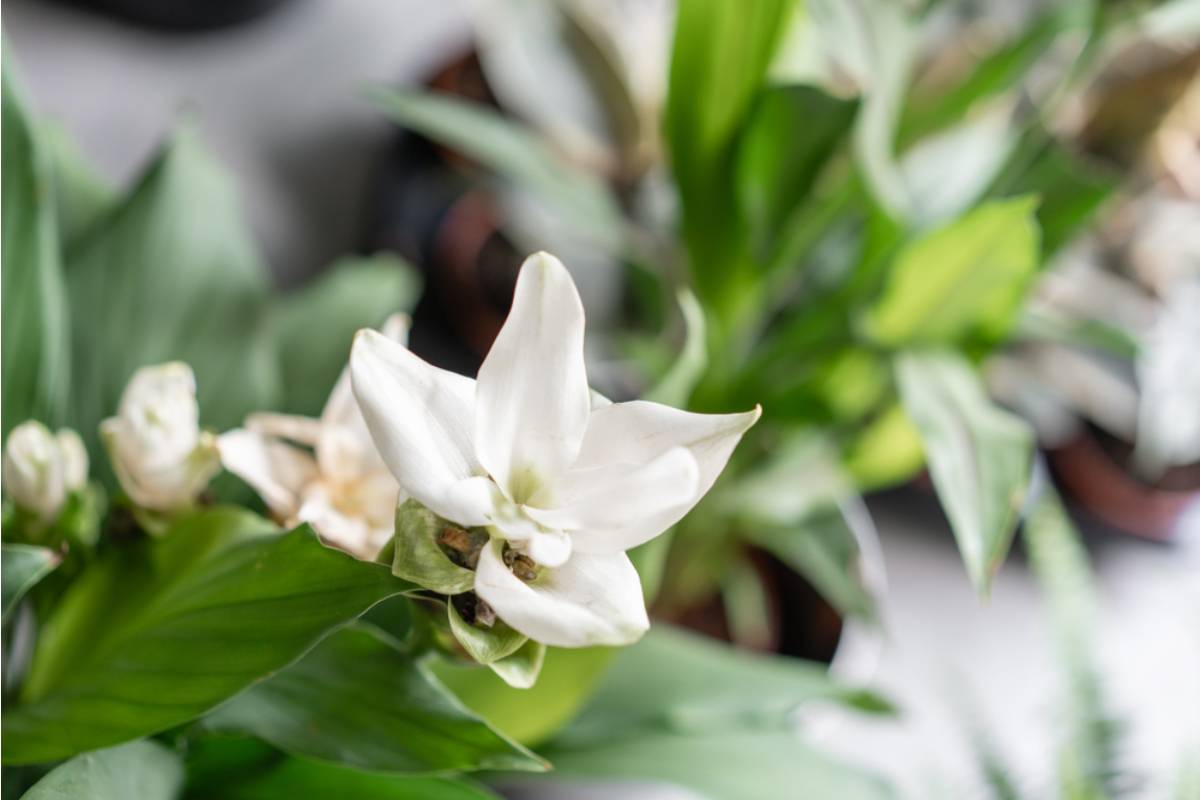
Some Home Gardeners Are Growing Ginger and Turmeric Indoors in Pots Year Round, And People Who Started Say the Difference in Flavor Compared to Store Bought Is Impossible to Ignore
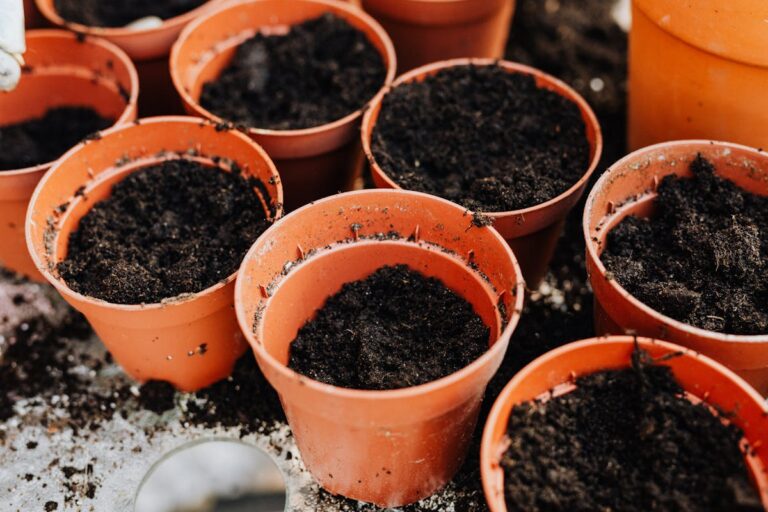
She did not plan to turn her kitchen into a year round spice experiment, but it began with a few leftover ginger knobs from cooking. Instead of using them all, she tucked a couple into soil-filled pots near a sunny kitchen window. The idea was simple curiosity, nothing more than seeing if anything would sprout. Within a few weeks, green shoots pushed through the soil and changed how she looked at her windowsill. What started as waste prevention slowly turned into something she checked every morning.
A conversation at a grocery store that sparked curiosity
While shopping, she overheard a cashier talking about someone growing turmeric at home in containers. The cashier mentioned that fresh turmeric tasted completely different from what comes in powder form. That comment stayed with her as she looked at packaged spices on the shelf. She had always assumed those flavors were already fixed and standardized. The idea that freshness could change them so much made her curious enough to try it herself.
The first turmeric pot that did almost nothing at first
She planted turmeric rhizomes in a wide ceramic pot and placed it in the warmest corner of her apartment. For weeks, nothing happened, and she almost gave up on it entirely. Then small green shoots appeared slowly, curling upward like they were unsure of their environment. She checked soil moisture constantly, afraid of disturbing the fragile growth. It was not impressive at first, but it was alive.
Ginger becoming the more confident grower
The ginger plants behaved differently, sprouting faster and filling their pots with thick leafy stems. They looked more like ornamental plants than something meant for cooking. She started noticing how stable they were compared to the turmeric, which grew more cautiously. Friends visiting her apartment assumed she had bought decorative indoor plants. She would correct them and show how the roots were slowly forming underneath.
The first harvest that felt uncertain
After several months, she decided to gently dig into one of the ginger pots. The smell was stronger than anything she had gotten from store bought ginger. The rhizomes were smaller but looked fresher, with a sharper aroma when sliced. She was not sure if it was worth the effort yet, but she cooked with it anyway. That first meal changed her expectations without fully convincing her.
A neighbor discovering the setup during a visit
A neighbor came over and noticed the pots lined along the kitchen window. When she explained they were ginger and turmeric plants, the neighbor looked surprised and asked if they actually produced usable spice. She offered to show one of the turmeric plants that had finally matured. The neighbor touched the leaves and said it looked like something from a greenhouse, not an apartment. That reaction made her realize how unusual the setup still was.
The moment turmeric revealed its intensity
When she finally harvested turmeric, the color surprised her more than anything else. The inside was deep orange, almost glowing compared to the pale powder she was used to. The flavor when freshly grated was sharper and more complex than expected. It made store bought versions taste flat in comparison. That was the moment she stopped thinking of it as an experiment.
Adjusting routines around slow indoor growth
She learned quickly that these plants did not follow fast cycles like herbs or vegetables. They needed months of patience and stable conditions to produce anything useful. Watering had to be consistent but not excessive, and light placement mattered more than she expected. She started rotating pots slightly every few days to balance growth. It became a slow rhythm she adjusted her daily habits around.
A friend who did not believe the difference
A friend tried some of the fresh ginger in tea and immediately reacted to the intensity. She said it tasted almost spicy in a way she had never experienced before. At first, she thought it was just perception, but repeated comparisons made the difference clear. The friend asked if it could really be the same plant as store bought ginger. That question made her realize how processed most grocery versions actually were.
The unexpected problem of limited space
As the plants grew larger, she started running out of window space for new pots. Ginger expanded sideways and turmeric needed deeper containers than she originally used. She had to rotate plants between rooms depending on sunlight availability. It became less about decoration and more about managing living storage. The kitchen slowly turned into a controlled growing system.
Learning to stagger harvest cycles
To avoid everything maturing at once, she began planting in staggered intervals. That way, she always had some rhizomes ready while others were still developing. It required tracking planting dates more carefully than she expected. She started using small labels to keep everything organized. The system made indoor growing feel more intentional and less improvised.
The comparison that kept coming back
Every time she cooked with her homegrown spices, she noticed the same pattern in flavor. Store bought versions now felt dull and uniform, almost missing something essential. Fresh ginger had more heat and aroma, while turmeric had depth that lingered longer in dishes. She stopped treating them as interchangeable ingredients. The difference became impossible for her to ignore.
The kitchen that turned into a year round harvest space
After a full cycle, she no longer thought of ginger and turmeric as seasonal or specialty plants. They had become part of her kitchen routine, growing quietly in pots throughout the year. Guests often asked why she kept so many plants indoors, and she would simply point to a pot and break off a small piece for cooking. What started as curiosity had turned into a permanent shift in how she used her kitchen space.