A Homeowner Asked the HOA for Permission to Plant Four Trees in a Shared Green Space, Then a Neighbor Threatened to Rip Them Out Despite Having No Property Nearby
A person shared his story about planting trees in the common green space behind his home in a Missouri subdivision, expecting nothing more dramatic than a little digging and a greener neighborhood. The area between the houses was mostly grass, and he thought adding a few trees would make it more attractive for everyone. After all, a little extra greenery can transform an ordinary patch of lawn into something much more inviting. He had no idea that his landscaping plans would soon turn into a neighborhood dispute.
The homeowner lived in a planned unit development governed by a homeowners association, commonly known as an HOA. Since the land was shared rather than privately owned by one resident, he wanted to make sure he had permission before changing anything. His intentions seemed straightforward: plant some trees, keep the area looking nice, and leave enough room for the maintenance crew. Unfortunately, one neighbor appeared determined to turn that simple plan into a much bigger problem.
He Asked Permission Before Putting a Single Tree in the Ground
Rather than grabbing a shovel and planting wherever he pleased, the homeowner brought up the idea during a general HOA meeting. He asked whether he could plant trees in the common area behind his house, making sure the people responsible for managing the property knew about his plans. According to his account, the HOA approved the idea with one important condition. He simply had to leave enough space for the lawn mowers to pass through.
That approval gave him a reasonable basis to move forward with the project, at least from his perspective. He was not trying to turn the shared lawn into a private garden or block anyone’s access to the space. He wanted to add trees while respecting the practical needs of the neighborhood. With permission apparently secured, he could finally get to the enjoyable part of gardening.
One Tree Somehow Became Four
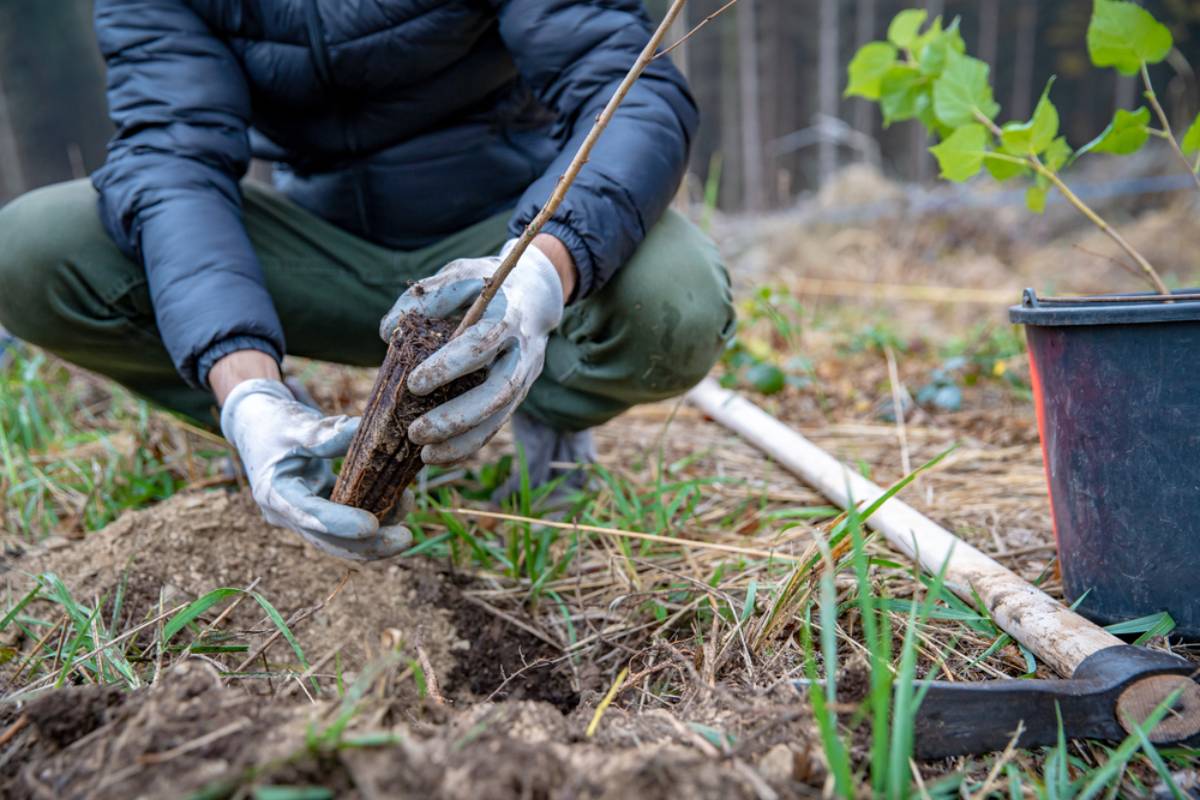
The original plan was modest, with the homeowner intending to plant just one tree in the common ground. However, he ended up with a couple of extra trees and decided to plant four altogether. Anyone who has bought a few extra plants after visiting a nursery can understand how quickly a small gardening project can grow. Before long, his little idea had become a miniature landscaping effort.
The four trees were planted away from nearby homes, and he made sure not to obstruct the paths used by the mowing crew. From his description, he had taken the HOA’s instructions into account rather than treating the shared lawn as an extension of his own backyard. The trees were intended to add greenery without interfering with anyone else’s use of the space. Yet while he was working, someone appeared with a very different opinion about what belonged in that patch of grass.
The Neighbor Appeared With an Objection
As the homeowner was planting, a neighbor came outside and challenged what he was doing. His objection was that the homeowner could not plant trees there because the land did not belong to him personally. It was the sort of confrontation that can make an otherwise peaceful afternoon in the garden suddenly uncomfortable. Instead of discussing tree varieties or watering schedules, the two residents found themselves arguing about property rights.
The homeowner pushed back, explaining that the common ground was shared by the residents and that the HOA had already given him permission. He did not believe the neighbor’s objection automatically meant the planting had to stop. Both men said they would contact the HOA to resolve the disagreement. At that point, it seemed possible that a quick clarification from the association might settle the matter.
The Real Dispute Was About Who Could Decide
The argument raised a question that often comes up in communities with shared lawns, walking paths, and landscaped areas. Residents may all benefit from common ground, but that does not necessarily mean every individual can make changes to it whenever they want. Rules about landscaping, maintenance, and improvements can depend on the governing documents and the authority granted to the HOA. Even a well-intentioned project can become controversial when neighbors disagree about who has the final say.
In this case, the homeowner believed he had followed the appropriate process by requesting approval at a general meeting. The neighbor, however, focused on the fact that the land was not privately owned by the person doing the planting. Those positions created a disagreement that could not necessarily be resolved by either resident simply insisting he was right. The association’s actual rules and the scope of its approval would be important in determining what should happen next.
The Trees Were Now Caught in the Middle
For a gardener, planting a tree is usually the beginning of a long-term project rather than a one-afternoon activity. Young trees need watering, monitoring, and time to establish their roots before they become the shade-producing features that make a landscape feel mature. These four trees had barely begun their lives in the common area when the dispute started. Instead of thinking about how they might look in a few years, their planter was already worrying about whether they would survive the neighborhood disagreement.
The situation was particularly frustrating because the trees were not planted directly beside the objecting neighbor’s house. The homeowner specifically explained that they were not even near his property. That detail made the confrontation seem especially puzzling from the planter’s point of view. If the trees were away from the homes and did not block the mowing route, he struggled to understand why the neighbor was so opposed to them.
The Mowing Crew Was Never Supposed to Be a Problem
One of the HOA’s conditions had been clear: the trees could not interfere with the paths used by the people maintaining the common ground. The homeowner said he planted them well away from those routes, suggesting that he had considered the everyday practicalities of the shared space. After all, trees can beautify a neighborhood, but poorly placed ones can also complicate mowing and routine maintenance. A successful landscaping plan has to account for both.
That restriction also helps explain why the homeowner sought approval before beginning the work. He was aware that the area served a purpose beyond looking attractive, and he did not want his planting project to interfere with the crew’s responsibilities. If the HOA had concerns about the placement or number of trees, it could presumably clarify those concerns through its own procedures. The dispute became more complicated because the neighbor’s objection appeared to go beyond the practical question of whether the trees would get in the way.
The Neighbor Had Other Problems With the HOA
As the discussion continued, the homeowner began to suspect that the disagreement was connected to a larger conflict. He described the neighbor as someone who seemed to have other issues with the HOA and some of the people serving on it. The neighbor did not directly explain that connection, so the homeowner could not say for certain what was motivating the confrontation. Still, the exchange left him with the impression that the trees had become part of a broader neighborhood dispute.
That possibility changed how the homeowner viewed the situation. What had started as a disagreement over four young trees might have been less about landscaping itself and more about an ongoing lack of trust between a resident and the association. When neighbors already disagree about community rules, even a small project can become a convenient battleground. The trees were suddenly caught in a conflict that seemed much larger than their roots, branches, or future shade.
The HOA’s Decision Might Not Be the End of the Story
Both residents said they would contact the HOA, making the association the obvious next stop in the dispute. The homeowner appeared to believe that the board could confirm whether his planting was permitted and put the argument to rest. If the approval was valid and the trees complied with the conditions, that clarification might help resolve the immediate disagreement. However, the homeowner had another concern that made the situation less straightforward.
He suspected that the neighbor might still object even if the HOA sided with him. In other words, an official decision might settle the question of permission without necessarily ending the personal conflict. That distinction matters in shared communities, where formal rules can establish what is allowed but cannot guarantee that every resident will be happy about it. The homeowner was beginning to worry that the trees would remain a target regardless of what the association decided.
The Biggest Fear Was That Someone Would Pull the Trees Out
The most troubling part of the story was the homeowner’s impression that the neighbor might take matters into his own hands. He believed the man could attempt to remove the trees even if the HOA confirmed that the planting was allowed. The neighbor had not explicitly announced a plan to do so, and the homeowner presented this as his interpretation of the encounter rather than a confirmed threat. Nevertheless, the possibility was enough to make the entire project feel uncertain.
For someone who had just planted four trees, that concern was understandably discouraging. Removing young trees could undo the work almost immediately, leaving behind disturbed soil and a landscaping project that never had the chance to develop. It would also transform an ordinary disagreement into a potentially more serious conflict involving damage to plants on shared property. Suddenly, the question was no longer simply whether the trees belonged there, but whether they would be allowed to stay.
Shared Green Spaces Can Create Surprisingly Complicated Rules
Common areas often look simple from the outside, especially when they consist of nothing more than grass between houses. Residents may walk through them, enjoy the view, or imagine ways to make them more attractive. Yet the legal and administrative arrangements behind those spaces can be considerably more complicated than their appearance suggests. Depending on the community’s governing documents, the HOA may control landscaping decisions, while residents may have limited rights to make changes independently.
That is why permission matters even when a project seems harmless. A resident might reasonably believe that planting a tree benefits everyone, but another person could worry about maintenance, future growth, underground utilities, or the precedent it creates for other residents. None of those concerns automatically means the trees must be removed, just as HOA approval does not necessarily settle every possible restriction. The important thing is to establish what the community’s rules actually permit rather than allowing competing assumptions to drive the dispute.
Four Trees Became a Test of Neighborhood Cooperation
The homeowner’s original idea was not especially ambitious. He wanted to add a few trees to a grassy area, had asked for approval, and said he had respected the condition about leaving room for mowers. In a cooperative neighborhood, that might have been the end of the story, followed by years of watering, pruning, and watching the trees grow. Instead, the project exposed how quickly a shared improvement can become divisive when residents do not agree on the rules.
There is also an important distinction between disagreeing with a landscaping decision and taking action against it. A resident who believes a common-area improvement violates community rules can raise the issue with the HOA rather than assuming that personal objections give them authority to remove plants. The homeowner’s concern was that the neighbor might not accept that process if the decision went against him. That possibility left the fate of the four trees hanging over what should have been a straightforward gardening project.
A Response From a Person Raised Another Important Question
A response from a person in a situation like this would naturally focus on the HOA’s governing documents and the exact scope of the approval. A verbal agreement at a meeting may be useful, but written confirmation can make it easier to establish what was authorized and under which conditions. The homeowner could also document where the trees were planted and keep records of any relevant communications. Those steps would help clarify the facts without turning the dispute into an unnecessary confrontation.
Another sensible consideration would be whether the association has specific rules about planting trees in common areas, including who owns and maintains them. A tree planted on shared property can affect future residents and maintenance responsibilities long after the person who planted it has moved away. Understanding those obligations is important for both the homeowner and the HOA. It is also a reminder that good gardening involves more than choosing a healthy sapling and finding a sunny spot.
The Real Twist Was That the Trees Were Never Near His House
The detail that makes this story particularly frustrating is the homeowner’s insistence that the trees were nowhere near the objecting neighbor’s house. They were planted in the shared green space, away from homes and without blocking the mowing route, according to his account. That does not by itself establish that every aspect of the planting was permitted, but it helps explain why the confrontation caught him off guard. He had expected a small improvement to the neighborhood, not an argument that could put the entire project at risk.
The deeper twist was the possibility that the dispute had less to do with the four trees themselves and more to do with the neighbor’s existing frustrations with the HOA. The homeowner could not confirm that interpretation, and the neighbor’s actual intentions remained uncertain. Still, the encounter left him worried that even an HOA decision in his favor might not be enough to protect the young trees. For a gardening project that began with one sapling in mind, the outcome had become anything but predictable.
Will the Four Trees Ever Get the Chance to Grow?
The homeowner’s story ended with an unresolved question about what would happen after both residents contacted the HOA. He had explained that the association gave him permission, while the neighbor had challenged his right to plant anything on land he did not personally own. The homeowner’s greatest concern was that the trees might be removed despite whatever decision the association made. At the time of his account, there was no confirmed outcome showing whether the dispute had been settled.
For gardeners, the episode is a reminder that even a small planting project can become complicated when the ground belongs to a community rather than an individual. Checking the rules, obtaining clear approval, and keeping a written record can help prevent misunderstandings before the first hole is dug. Just as importantly, residents who disagree should use the appropriate community process instead of escalating a landscaping dispute. Those four trees may have started as an effort to make a shared space greener, but their future depended on something that no amount of watering could guarantee: cooperation between neighbors.