A Growing Number of Home Growers Are Using Natural Pest Barriers Instead of Chemicals, And It’s Changing How Gardens Stay Healthy
A growing number of home growers are using natural pest barriers instead of chemical sprays, and it’s changing how gardens are maintained by focusing more on prevention and balance than direct treatment.
Prevention Is Replacing Reaction
Instead of waiting for pests to appear and then treating them, gardeners are now focusing on stopping them from entering in the first place. Physical barriers like mesh covers, netting, and row covers are becoming more common. This reduces the need for chemical intervention. Prevention is becoming the main strategy. Control starts earlier.
Companion Planting Is Being Used More
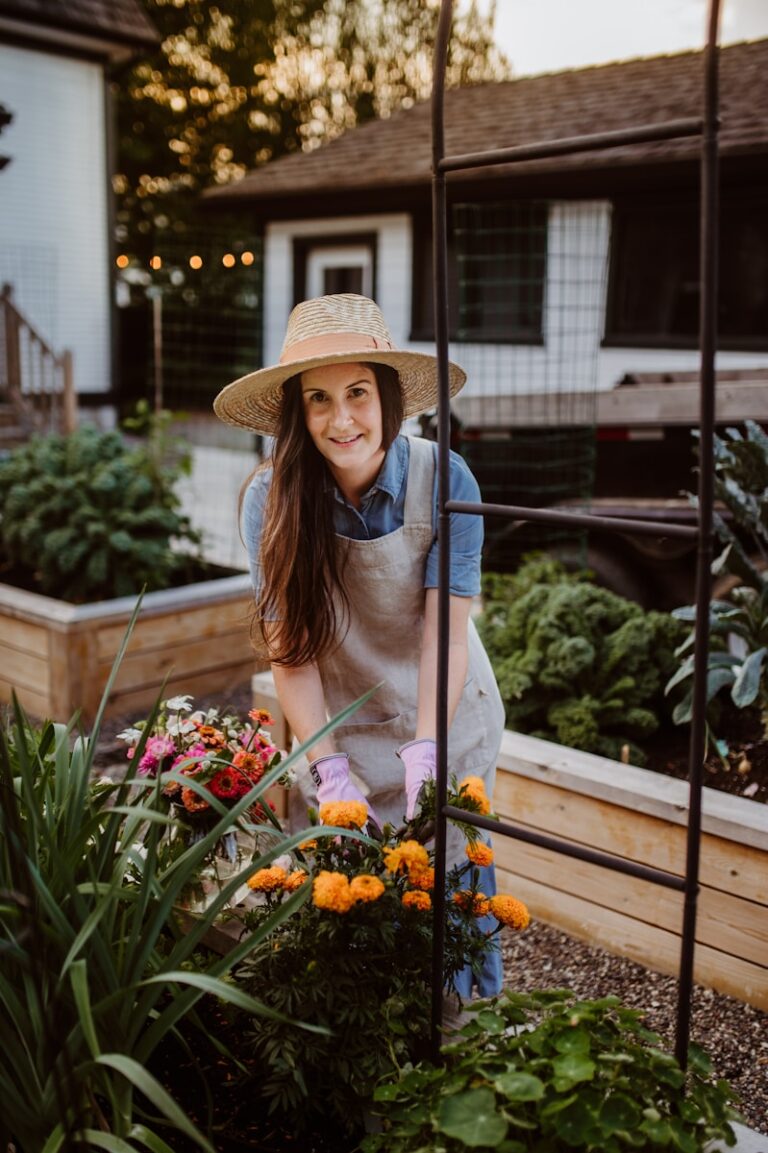
Many gardeners are placing certain plants together to naturally deter pests. Strong-scented herbs or protective plants can confuse or repel insects. This creates a more balanced garden ecosystem. Plants support each other’s protection. Diversity becomes a tool.
Physical Barriers Are Gaining Popularity
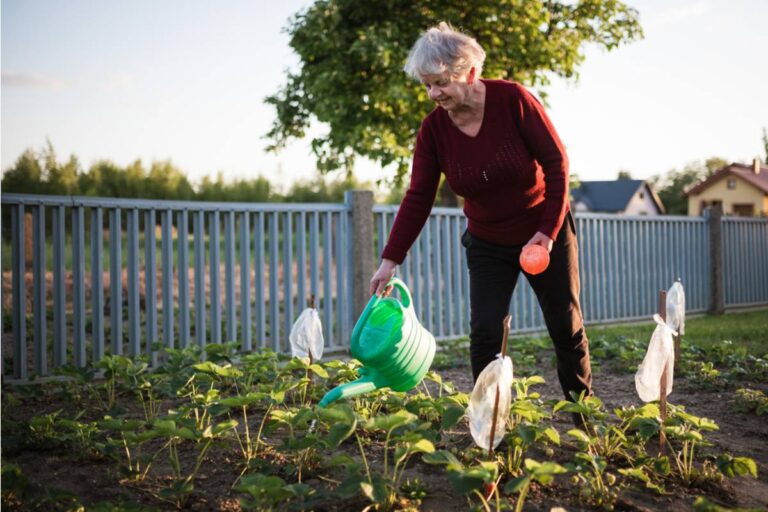
Simple tools like garden netting, cloches, and protective cages are being widely used. These barriers block insects without affecting plant growth. They are reusable and easy to apply. This makes them practical for small home gardens. Physical protection reduces chemical reliance.
Healthier Soil Is a Priority
Some growers believe that stronger soil health leads to stronger plants that resist pests naturally. Composting and organic matter are being used more frequently. Healthy soil supports healthier growth. Resilience improves over time. Prevention starts underground.
Chemical Use Is Being Reduced
Instead of routine spraying, many gardeners are limiting or eliminating chemical pesticides. Concerns about safety, cost, and environmental impact are driving this change. People prefer less invasive methods. Gardening is becoming more natural. Chemical dependence is decreasing.
Observation Has Become More Important
Gardeners are paying closer attention to early signs of pests. Small changes in leaves or growth patterns are monitored closely. Early detection helps prevent larger infestations. Awareness replaces heavy treatment. Attention becomes a key skill.
Eco-Friendly Practices Are Expanding
Natural pest control aligns with broader interest in sustainable living. Many growers want to avoid harming beneficial insects like bees and butterflies. Eco-friendly methods support biodiversity. Gardens become more balanced ecosystems. Sustainability is a priority.
Cost Savings Are a Bonus Benefit
While not the main goal, reducing chemical use can also lower gardening expenses. Barriers and natural methods often last longer and require less ongoing purchase. This makes gardening more affordable over time. Savings build gradually. Efficiency improves.
Learning Curve Exists but Is Manageable
Understanding which barriers or companion plants work best takes some experience. Results may vary depending on conditions. However, most gardeners adapt quickly. Trial and observation improve success. Learning is part of the process.
A Shift Toward Balanced Gardening
This trend reflects a broader move away from reactive gardening and toward more natural, preventive systems. Gardens are being managed as ecosystems rather than isolated plants. Balance replaces constant intervention. Health is maintained, not forced.
As more home growers adopt natural pest barriers, gardening is shifting toward a more sustainable and preventative approach, where plant health is supported through design, observation, and balance rather than chemicals.