Some Home Gardeners Are Using Coffee Grounds on All Their Plants, And It’s Sparking Debate Over Whether It Actually Helps Growth
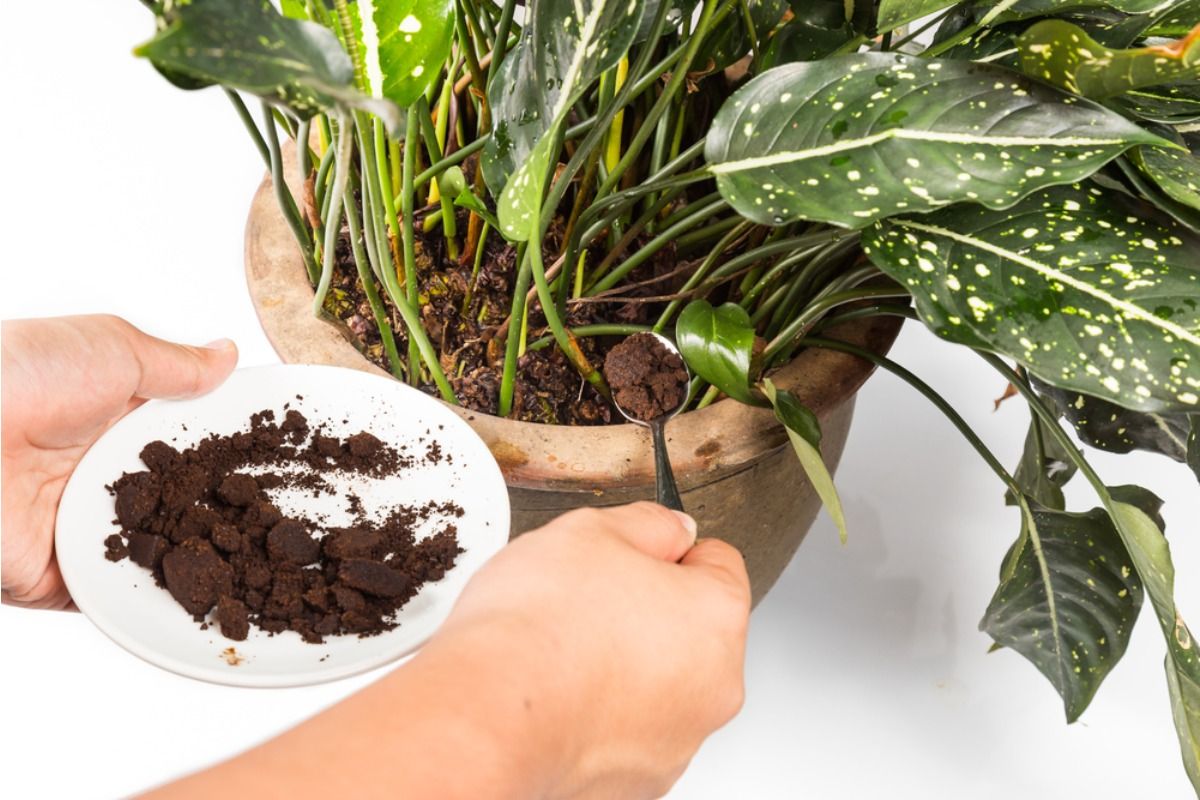
Some home gardeners are using coffee grounds on all their plants, and what started as a simple recycling habit has now turned into a debate about whether it truly helps growth or quietly causes problems.
The Idea Came From Reusing Kitchen Waste
Many gardeners began saving used coffee grounds instead of throwing them away. It felt like a natural, eco-friendly solution. The idea was to enrich soil without buying fertilizers. It also reduced household waste. And quickly became a popular tip shared online.
Early Results Looked Promising
At first, some gardeners noticed improvements in plant appearance. Leaves looked greener and soil seemed richer. The grounds helped retain moisture. And plants appeared to respond positively in the short term. This encouraged wider use.
Not All Plants Reacted the Same Way
Over time, differences started to show. Some plants continued to thrive. Others slowed down or showed signs of stress. The results weren’t consistent across gardens. And that raised questions about whether coffee grounds were suitable for all plants.
Soil Conditions Began to Change
Repeated use of coffee grounds affected soil texture. In some cases, the soil became denser or held too much moisture. This impacted root health. And made it harder for certain plants to grow properly. The change wasn’t always immediate. But it became noticeable over time.
Amount and Frequency Became Key Factors
Some gardeners were adding grounds occasionally. Others were using them regularly on every plant. The difference in usage made a big impact. Overuse seemed to cause more problems. While moderate use sometimes worked better. And this variation added to the debate.
Online Advice Added to the Confusion
Different sources gave conflicting recommendations. Some encouraged heavy use, while others warned against it. Gardeners followed different methods. And ended up with different results. This made it harder to identify what actually works.
Composting vs Direct Use Became a Debate
Some gardeners preferred mixing coffee grounds into compost first. Others applied them directly to soil. Each method produced different outcomes. Composting seemed to balance the effect more. While direct use sometimes caused stronger changes. And this became a key point of discussion.
Pests and Smell Were Occasionally Reported
In some gardens, leftover grounds attracted insects or created odors. This didn’t happen everywhere. But it added another layer of concern. Especially for gardeners using large amounts. And made some reconsider the practice.
Gardeners Began Adjusting Their Approach
As mixed results continued, many started experimenting. Some reduced the amount. Others limited it to certain plants. A few stopped using coffee grounds altogether. The approach became more cautious. And less automatic.
The Debate Continues Across Gardens
There is still no clear agreement. Some gardeners swear by coffee grounds. Others avoid them completely. The effectiveness seems to depend on how and where they’re used. And that keeps the discussion ongoing.
A Simple Idea With Complex Results
In the end, what seemed like an easy, natural solution turned out to be more complex than expected, with results that vary from garden to garden.