A Homeowner Says a Neighbor’s Tree Sent a Dangerous Branch Through Power Lines, Then the Utility Contractor Handed Him a Waiver That Changed Everything
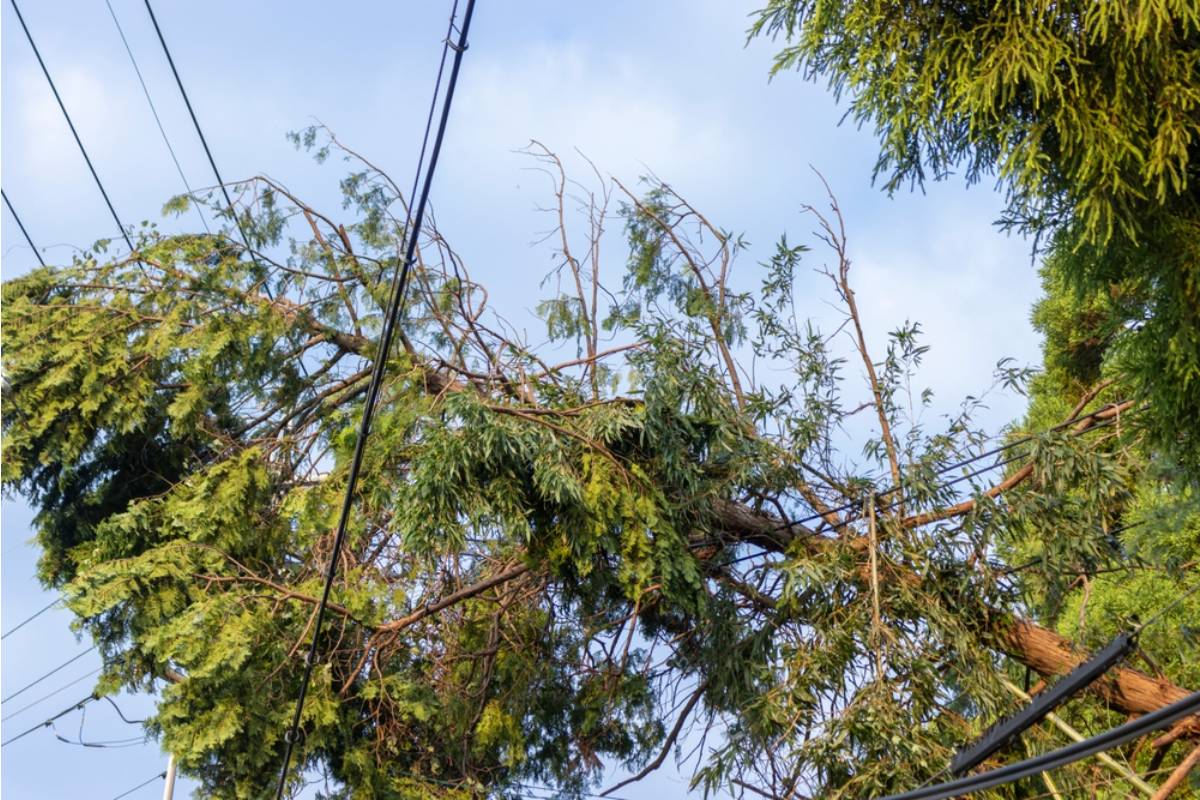
A person shared his story after discovering that a neighbor’s tree had developed a large dangerous branch hanging over his property. The branch was mostly above his yard and had grown directly through the nearby power lines. What started as an ordinary tree-maintenance problem suddenly became a much bigger concern because the branch could potentially fall and cause serious damage.
The neighbor was an elderly woman who reportedly could not afford to have the branch removed herself. Trying to solve the problem rather than simply wait for something to break, the homeowner decided to pay for the work. He thought hiring a professional would make the situation simple, but the paperwork waiting for him turned out to be anything but simple.
The Homeowner Decided to Pay for the Removal
The homeowner contacted a tree company and arranged for the dangerous branch to be removed. The company inspected the situation and explained that they could not simply cut everything immediately because the branch was tangled with the power lines. The utility company would first need to clear the area around the wires.
That sounded reasonable to the homeowner because electrical lines added an obvious safety complication. He expected the utility company to trim the branch near the wires and the tree company to finish the rest afterward. For a moment, it looked like the entire problem had finally been organized into a neat two-step plan.
Then the Utility Contractor Arrived
The local electric utility arranged for another tree service to handle the portion around the power lines. The contractor contacted the homeowner and said they wanted to complete the work that week. There was just one condition before anyone could start.
The homeowner was told that he needed to sign a waiver first. He expected a basic document acknowledging that tree work could be dangerous, but what landed in front of him looked much more serious. Instead of merely accepting the risks of being near a work site, the document appeared to transfer a remarkable amount of responsibility onto him.
The First Paragraph Raised an Eyebrow
The waiver stated that the homeowner would release the tree company from essentially all liability for injuries, property damage, and other losses connected to the work. Even more striking, the language reportedly covered situations involving negligence by the company itself. The homeowner immediately wondered why he would be giving up protection against the very people performing the dangerous work.
The wording did not stop with accidental damage either. It was broad enough to make the homeowner worry about what would happen if the contractor made a serious mistake. Instead of simply acknowledging that tree removal carried risks, the document appeared to ask him to accept those risks on behalf of the company.
Then Came the Indemnification Clause
The second section made the homeowner even more uncomfortable. It required him to indemnify and hold the tree company harmless from losses, damages, court costs, and attorney fees. The clause also reportedly applied when the company’s own negligence caused the problem.
That changed the entire tone of the document. The homeowner was no longer simply being asked not to sue over ordinary accidents. He was being asked to potentially protect the contractor financially if something went wrong, including circumstances involving the contractor’s own conduct.
The Waiver Reached Into the Future
Another section attempted to bind family members, spouses, heirs, assigns, and personal representatives. That made the homeowner wonder just how far the document was supposed to reach. A simple tree-trimming job was beginning to sound like a legal agreement designed to follow people around long after the branch had disappeared.
The language also contained statements saying he understood the agreement, signed voluntarily, and received adequate consideration. That detail made the homeowner even less comfortable because it suggested the document was intended to be treated as a serious legal contract rather than a routine permission slip.
The Homeowner Refused to Sign
After reading the document carefully, the homeowner decided not to sign it. He was particularly concerned that agreeing to the indemnification language could create risks far beyond the original tree problem. The fact that the contractor wanted this protection before entering his property only increased his suspicion.
He then faced an awkward choice. The dangerous branch still needed to be addressed, the utility company had already arranged the work, and everyone seemed ready to proceed. But now the homeowner was wondering whether refusing the waiver might cause the entire project to collapse.
A Response From a Person Was Surprisingly Blunt
A response from a person offered very simple advice: do not sign a waiver like that. Another response suggested that the homeowner should not allow himself to be pressured into accepting terms he did not understand. The general reaction was that the document looked far more aggressive than what people would normally expect for routine tree work.
One response from a person made a particularly interesting distinction. The commenter argued that the homeowner did not appear to have a direct contractual relationship with the tree company in the first place. That raised a new question about why the homeowner was being asked to assume obligations that seemed designed primarily to protect the contractor.
Someone Suggested Calling the Utility Company
Another response from a person told the homeowner to take the issue directly to the electric utility. The suggestion was essentially that the utility company needed to know exactly what its contractor was asking homeowners to sign. If the utility had arranged the work, the homeowner wondered why he was personally being placed in the middle of such a broad liability agreement.
That possibility gave him another route besides simply refusing and walking away. Instead of arguing with a contractor at his front gate, he could ask the utility company why this particular document was necessary. Suddenly, the waiver itself had become almost as important as the branch that started the whole problem.
The Insurance Question Made Things Even Stranger
One response from a person raised another concern involving insurance. If the contractor caused damage while working and the homeowner had signed away important rights, the person wondered whether the homeowner’s own insurance might somehow become involved differently. That possibility made the document sound even riskier.
The homeowner had originally assumed professional contractors carried insurance precisely because tree work could damage roofs, fences, vehicles, gardens, or power infrastructure. If the contractor was insured, he wondered why the paperwork needed to place so much responsibility on the property owner. The more he examined the situation, the stranger the waiver seemed.
The Utility Had Access to the Power Lines
Another person shared an experience involving utility crews trimming trees near power lines on private property. In that case, the utility reportedly had an easement allowing it to trim vegetation around the lines and typically provided notice rather than demanding unusual liability agreements. That story made the homeowner wonder whether his situation was being handled differently because an outside contractor was involved.
The distinction mattered because the dangerous branch was not simply hanging over a garden bed. It was interfering with infrastructure that the utility already controlled. The homeowner began wondering whether the entire process could have been handled directly through the utility without turning him into the contractor’s risk shield.
The Tree Was Still Waiting Outside
While the paperwork debate continued, the tree itself remained exactly where it had always been. The dangerous branch still stretched mostly over the homeowner’s property and remained entangled with the power lines. Every day that passed without removal seemed to add another layer of anxiety.
The homeowner had originally tried to be helpful to his elderly neighbor and solve the problem himself. Instead, he found himself caught between a dangerous tree, an electrical utility, multiple contractors, and a document that seemed determined to make him responsible for almost everything. The backyard suddenly felt like the setting for a much larger legal drama.
The Waiver Became the Real Plot Twist
The homeowner had expected the dangerous branch to be the biggest problem in the story. Instead, the most alarming discovery turned out to be a few pages of legal language. What looked like routine tree maintenance had transformed into a debate over liability, negligence, indemnification, and insurance.
A response from a person summed up the general concern by suggesting that liability normally exists for a reason. Professional companies work around dangerous equipment and large trees precisely because accidents can happen, which is one reason insurance exists in the first place. Asking the homeowner to potentially absorb those risks made the simple gardening job feel completely upside down.
The Original Kindness Created an Unexpected Problem
The homeowner had not even been trying to profit from the situation. He had stepped in because the neighbor reportedly could not afford the work herself, and he wanted to prevent a dangerous branch from eventually causing damage. His attempt to solve someone else’s tree problem had unintentionally placed him in a position where he was being asked to accept unusual legal exposure.
That was the real irony of the situation. He had volunteered his money and time to make the neighborhood safer, only to discover that saying yes could potentially make his own position less secure. The branch was dangerous, but the waiver may have been the part that truly needed careful handling.
The Homeowner Was Left With One Big Question
By the end of the story, the homeowner was still focused on one basic question: why should the property owner be responsible for protecting the contractor from its own mistakes? He understood that tree removal near power lines was dangerous and that contractors needed sensible protections. What he did not understand was why those protections appeared to extend so far.
The branch still needed to come down, and the utility company’s involvement suggested that the work could not simply be ignored forever. But now the homeowner was determined not to trade one hazard for another. What started with a widow-maker hanging over a fence ended with him staring at a waiver and wondering whether the paperwork was more dangerous than the tree.