Gardener Says She Spent Two Years Growing a Vertical Garden on Her Balcony to Cope With Losing Her Yard in a Divorce, Then Her Building Manager Ordered It Removed Calling It a “Fire Hazard”
After my divorce, the hardest thing to leave behind was not the house itself. It was the backyard where I had spent countless weekends planting flowers, growing vegetables, and finding peace after long workdays. Moving into a small apartment with nothing but a narrow balcony felt like losing a part of my identity.
Instead of giving up gardening, I challenged myself to create something beautiful with the little space I had left. I had no idea that the project helping me heal would eventually become the center of a conflict that involved neighbors, building management, and the entire apartment community.
Starting With Bare Concrete
The balcony looked cold and lifeless when I first moved in. It had enough room for one folding chair, a small table, and little else. Every time I stepped outside, I missed the scent of fresh soil from my old yard.
Instead of focusing on what I had lost, I started researching vertical gardening systems designed for apartment living. I spent evenings sketching ideas in a notebook, measuring every inch of railing and wall space before buying a single planter.
Building Something One Shelf at a Time
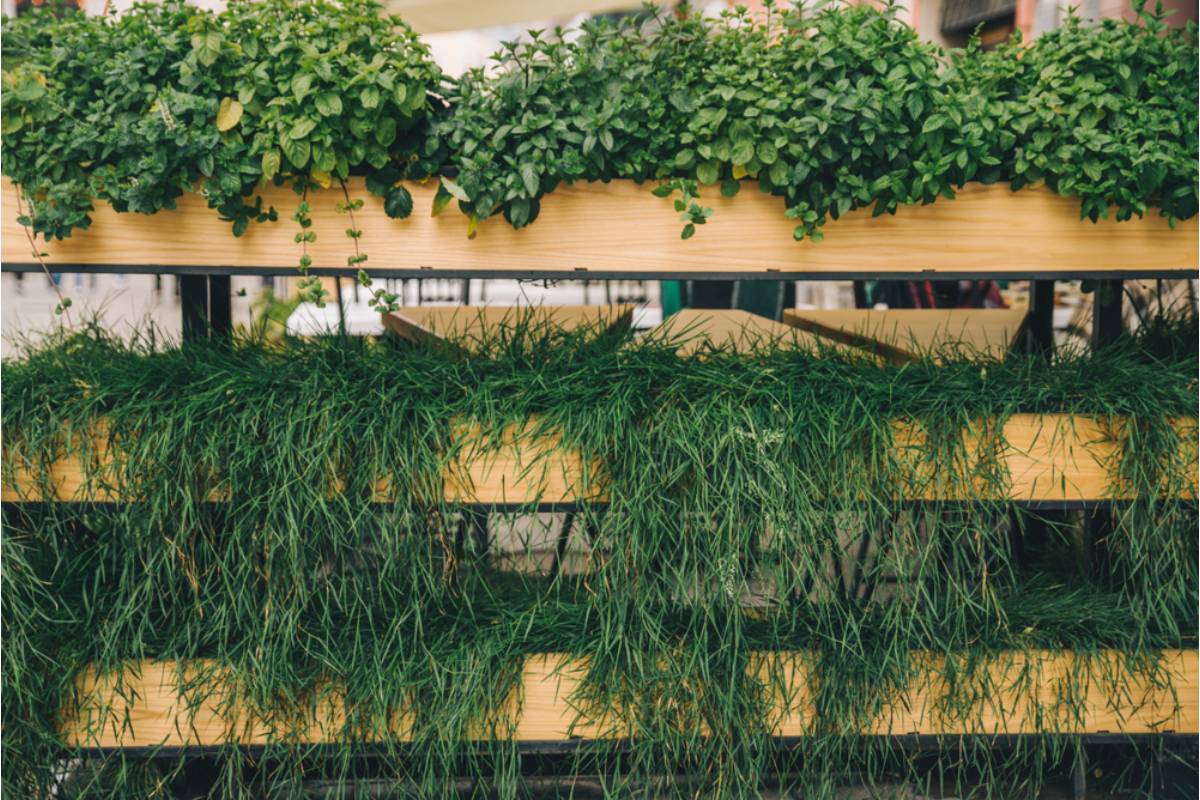
Rather than purchasing an expensive kit, I built the garden slowly. I attached lightweight shelves that did not damage the walls and used stackable planters designed for balconies. Every addition was carefully secured so nothing could shift or fall.
Friends teased me for treating the project like an engineering assignment. I laughed with them, but I knew I only had one chance to do it safely. I wanted a garden that looked organized instead of cluttered.
The Plants Became My Daily Routine
Every morning started with watering herbs, trimming vines, and checking new leaves for signs of growth. Tomatoes climbed neatly through support strings while strawberries spilled over the edges of hanging baskets.
The routine became more than simple maintenance. It gave structure to days that had once felt empty after the divorce. Caring for something living reminded me that progress often happened slowly, even when it was difficult to notice.
Strangers Began Stopping Below My Balcony
People walking through the apartment courtyard started looking up whenever they passed my building. Some asked what flowers I was growing while others wanted advice about herbs they hoped to grow themselves.
Children often pointed at butterflies visiting the flowers. Several neighbors later told me they intentionally walked through that part of the property because the balcony made the building feel warmer and more welcoming.
New Neighbors Joined the Gardening Trend
Within months, other residents began adding plants to their own balconies. Some grew peppers while others focused on colorful flowers or trailing vines. What started as one small project slowly spread throughout the building.
One elderly resident admitted she had not gardened since moving into an apartment years earlier. Seeing my setup convinced her to try again using a few containers. Watching her excitement reminded me why I had never given up on growing things.
An Unexpected Envelope on My Door
One afternoon I found an official notice taped to my apartment door. At first I assumed it was about routine maintenance or parking rules. Instead, the letter informed me that my balcony garden violated building safety policies.
The notice ordered everything removed within two weeks because management considered it a potential fire hazard. Reading those words felt unreal. I had spent two years building the garden carefully, and now someone wanted it gone with barely any explanation.
Looking for an Honest Explanation
The next morning I visited the leasing office carrying photographs of the garden from different angles. I politely asked the building manager what exactly made it unsafe.
He pointed toward a section of the lease mentioning balconies must remain free from excessive storage or combustible materials. When I explained that most of the structure consisted of metal shelves and living plants, he simply repeated that management had made its decision.
The Inspection Raised More Questions
A few days later, the manager returned with a maintenance supervisor. They examined the balcony carefully, measuring distances and taking notes without saying much.
When they finished, I asked whether anything specific had failed inspection. Neither person identified loose shelves, blocked exits, or damaged railings. Their silence made the situation even more confusing because no clear safety issue was ever explained.
Neighbors Refused to Stay Quiet
Word spread quickly throughout the building. Several neighbors who had admired the garden knocked on my door after seeing the notice posted outside the office.
Many admitted they could not understand why management targeted my balcony while allowing furniture, decorative rugs, and storage cabinets on others. A few residents even shared pictures showing balconies with far more clutter than mine.
A Retired Fire Captain Offered Advice
One resident introduced himself after hearing about the dispute. He explained that he had retired after decades working as a local fire captain and asked if he could look at the balcony.
He carefully inspected the layout before smiling. He pointed out a few minor improvements, like keeping one corner completely clear, but he said nothing he saw resembled a serious hazard. His opinion gave me confidence to keep asking questions instead of giving up.
Residents Organized a Meeting
The growing frustration led several neighbors to request a community meeting with building management. The room filled with residents carrying photographs of balconies across the property.
Instead of attacking management, everyone calmly asked for consistent standards. If gardens were prohibited, residents wanted to know why decorative furniture and other items remained untouched. The discussion shifted from my situation to how rules should apply fairly to everyone.
An Important Detail Finally Surfaced
During the meeting, one maintenance employee quietly admitted that my balcony had not been the original source of concern. Another resident had complained months earlier, claiming insects from my flowers were attracting bees near their windows.
That complaint had eventually reached management, who searched the lease for a rule they could enforce. Hearing that explanation surprised nearly everyone in the room because the issue had never been about fire safety at all.
Finding a Practical Compromise
Rather than continuing the disagreement, I offered several changes. I agreed to remove a few hanging baskets, increase the open walking space, and replace several wooden planter boxes with lightweight metal containers.
The retired fire captain volunteered to help reorganize everything according to commonly accepted safety practices. Management accepted the proposal after reviewing the updated layout.
The Balcony Stayed Alive
Over the following weekend, several neighbors helped me rearrange the garden. We trimmed vines, reduced unnecessary decorations, and created wider open spaces without sacrificing the heart of the project.
The finished version looked cleaner than before. Ironically, the changes made the garden easier to maintain while preserving everything that mattered most to me.
A Place That Represented More Than Plants
Today the balcony still reminds me of what I lost, but it also reminds me of everything I rebuilt afterward. Every flower and every herb growing there represents patience instead of heartbreak.
The conflict taught our apartment community something valuable about communication. Assumptions and vague rules nearly destroyed something that had inspired dozens of residents, but honest conversations ultimately led to a solution everyone could support. Every time I step onto that balcony now, I see more than plants. I see proof that even after losing one home, it is possible to create another place where hope can grow.