Homeowner Says New Neighbors’ Endless Construction Destroyed a Huge Patch of Her Mother’s Prized Lawn, Then a Careful Inspection Revealed the Damage Was Only the Beginning
A person shared her story about living with her mother in a suburban neighborhood that had been their home for more than ten years. Their street was relatively new, so families regularly moved in, but the latest arrivals quickly became impossible to ignore. The young couple next door seemed to have a never-ending list of projects happening around their property.
At first, the construction was merely irritating because the homeowner’s bedroom faced their house. Drilling, scraping, hammering, and loud conversations regularly interrupted her sleep and made resting after work difficult. Nobody expected that the noise would soon become the least frustrating part of having them next door.
Her Mother Took Pride in the Lawn
The homeowner’s mother worked incredibly hard to maintain their yard. She did not have much spare money or a team of people helping her, yet she somehow kept the lawn looking better than nearly every other property on the street. Every healthy patch of grass represented hours of work and careful attention.
That made what happened next especially painful. Her mother had spent years turning the yard into something she could feel proud of, and the lawn had become one of the few visible rewards for all that effort. Then the neighbors’ latest construction project left behind a surprise neither of them had asked for.
The Driveway Project Went Too Far
The neighbors recently had their driveway completely redone, which seemed like a fairly ordinary home-improvement project. Construction crews came and went, equipment appeared near the property line, and the work continued like several other projects happening around the neighborhood. Nobody objected to them improving their own driveway.
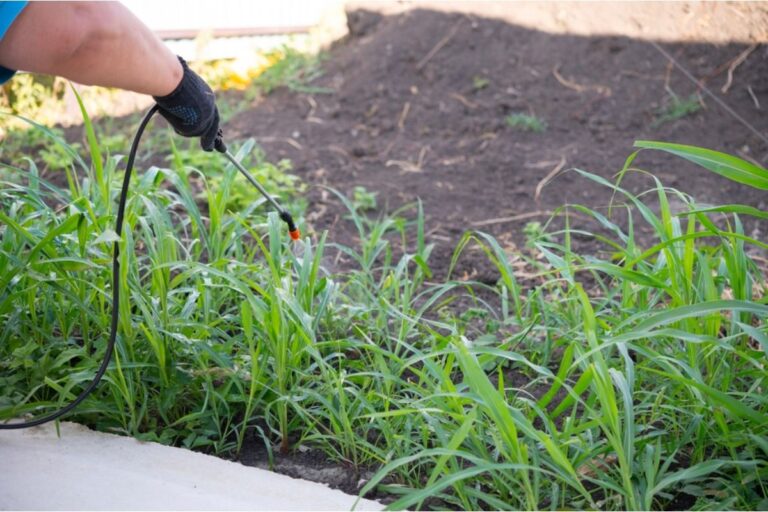
The problem appeared after the work was finished. A large section of the homeowner’s grass had turned brown and appeared to have been burned by some substance used during the construction. The damaged area was so enormous that the teenage homeowner joked she could probably lie down inside it without touching the edges.
One Ugly Patch Changed the Whole Yard
The ruined section was not a tiny accidental splash near the sidewalk. It was large enough to stand out immediately against the otherwise healthy lawn. From inside the house, the homeowner could see the damage and knew exactly how much effort her mother had put into keeping that grass alive.
Her mother tried to stay composed, but eventually the damage became overwhelming. She cried because the lawn had been one of the things she had worked hardest to maintain despite having limited time and money. For the daughter, watching her mother become that upset created a much stronger urge to do something about it.
Asking for Help Was Not So Simple
Under normal circumstances, the next step would have been obvious. Her mother could have gone next door, asked which contractor had handled the driveway, and found out what chemical or material had ended up on their lawn. Getting the grass repaired might have been as simple as identifying what went wrong.
Unfortunately, there was an uncomfortable reason she did not want to approach the neighbors. Her mother worked with the woman next door and had already noticed some unsettling behavior involving the woman’s husband. What should have been a simple garden conversation suddenly felt much more complicated.
The House Tour Raised Questions
The homeowner described a strange interaction in which her mother had been offered a tour of the neighbors’ new house. Instead of behaving casually about it, the woman seemed extremely anxious about how untidy and disorganized everything supposedly looked. The strange part was that the house was practically empty and appeared spotless.
Her mother noticed only a few things that seemed genuinely unpleasant or unusual. There was a pile of used personal medical and hygiene items in the master bathroom, but almost nothing else that matched the woman’s repeated claims about how disastrous the house was. She also kept making odd remarks about her husband, leaving her coworker uncomfortable and increasingly reluctant to get involved.
The Lawn Problem Had a Human Problem Behind It
The teenager was therefore stuck between wanting to protect the lawn and wanting to protect her mother. A confrontation might produce answers about the ruined grass, but it could also create tension between coworkers and neighbors at the same time. Neither of them wanted a simple landscaping problem to turn into something much bigger.
That left them watching the damaged patch and wondering what to do. The daughter knew almost nothing about repairing lawns, handling construction chemicals, or confronting difficult neighbors. Still, she could not stand seeing her mother’s hard work destroyed while everyone simply pretended nothing had happened.
The Damage Needed More Than Guesswork
The first useful step was figuring out exactly what had harmed the grass. Rather than applying random lawn products and hoping for the best, they needed to know whether the problem came from concrete residue, a cleaning chemical, construction dust, runoff, or something else entirely. Guessing could make an already damaged patch much harder to restore.
A response from a person suggested carefully documenting the damage and getting the relevant information before deciding what to do next. Another response from a person pointed out that, once construction was finished and the area had received some rain, reseeding might ultimately be much easier than starting a long battle over compensation. The advice gave the homeowner an important realization: fixing the lawn and dealing with the neighbors did not necessarily have to be the same battle.
Evidence Suddenly Became Valuable
Photographs became more important than ever. The damaged patch was clearly visible, and documenting its size and condition could help establish what the lawn looked like before and after the driveway work. The family did not need to accuse anyone immediately; they simply needed a record.
They could also keep track of when the driveway construction occurred and when the grass first began showing signs of damage. Details that seemed unimportant on the first day might become useful later. The more carefully they documented the situation, the less they would have to rely on memory if the neighbors eventually denied responsibility.
The Contractor Might Hold the Answer
One of the simplest solutions was also one of the least confrontational. Instead of approaching the neighbors about their personal behavior, the family could ask for the construction company’s contact information. That would allow them to discuss the damaged lawn directly with the people who actually performed the driveway work.
A response from a person suggested approaching the situation gently and explaining how hard the mother worked to maintain the yard. The idea was not to start a neighborhood war but to appeal to basic decency and ask how the damage could be corrected. That approach gave them a chance to solve the problem without requiring a dramatic confrontation at the property line.
Then the Story Became About More Than Grass
The daughter slowly realized that the damaged lawn was only the visible part of the problem. There were already concerns about the noise, the construction, and the strange family dynamics next door. If they reacted emotionally to every incident, they could spend the rest of the year fighting about one thing after another.
What they really needed was a boundary. They could remain polite while making it clear that damage to their property was not acceptable, and they could address construction problems through appropriate channels rather than personal arguments. That distinction might be the only thing preventing a stressful situation from turning into a permanent neighborhood feud.
The Lawn Could Still Come Back
One encouraging fact was that grass can be surprisingly resilient. If the underlying soil had not been permanently damaged, the ruined section might eventually recover with careful preparation, fresh seed, watering, and patience. The patch looked terrible, but terrible-looking grass is not always dead grass.
That possibility gave the daughter something positive to focus on. Instead of seeing the brown area as proof that everything had been ruined, she could imagine turning it into a small restoration project with her mother. It might take work, but rebuilding one patch together could become a much happier memory than watching it sit there untouched.
The Neighbors Did Not Get to Own the Story
The family’s biggest advantage was that they did not have to match the neighbors’ behavior. They did not need to become loud, hostile, or petty just because the people next door were difficult to understand. They could handle the lawn professionally, document everything, and keep their interactions calm.
A response from a person even suggested that the daughter could explain how upset she was seeing her mother’s hard work damaged and simply ask for the contractor’s information. That approach was appealing because it kept the conversation centered on the grass instead of the family’s concerns about the neighbors’ private life. Sometimes the strongest boundary is refusing to let someone else’s chaos dictate your behavior.
The Mystery Behind the Burned Grass Remained
There was still one unanswered question hanging over the whole situation. What exactly had burned such a huge section of lawn, and had the construction crew realized what they had done? Until that was established, nobody could know whether the damage was accidental, careless, or something that could have been prevented entirely.
The homeowner also wondered whether the neighbors had even noticed what had happened. They were busy with their own projects and may never have looked closely at the neighboring lawn. The possibility was almost stranger than intentional damage because a massive brown patch had appeared beside their new driveway while they continued with life as usual.
The Twist Was in What They Could Rebuild
The strangest part of the story was that the worst-looking thing in the yard might eventually become the part that brought the family closer together. Her mother had spent years caring for the lawn alone, but now her daughter desperately wanted to help restore the section that had made her cry. What started as a painful construction accident could become the first time they rebuilt part of the garden as a team.
A person shared his story about the situation, and the responses offered a mix of practical lawn advice and encouragement to document the damage before deciding whether to seek compensation. The lesson was larger than a patch of burned grass: homeowners cannot always control what their neighbors build, but they can control how they respond when someone else’s project spills across the property line. And sometimes the ugliest patch in a garden becomes the place where the best part of the next chapter begins.
The Garden Was Worth Fighting For
The daughter never wanted revenge, and she did not want a feud with the people next door. She wanted her mother to see that the lawn she had worked so hard to maintain could be restored, even if it took time and patience. That goal was much more satisfying than proving who was at fault.
For now, the damaged patch remains a reminder of everything that happened when the new neighbors arrived. But grass can grow back, and so can confidence after a bad experience. The final twist was that the neighbors may have ruined one patch of lawn, but they accidentally gave a determined daughter a reason to step into the garden and help her mother rebuild it from the ground up.