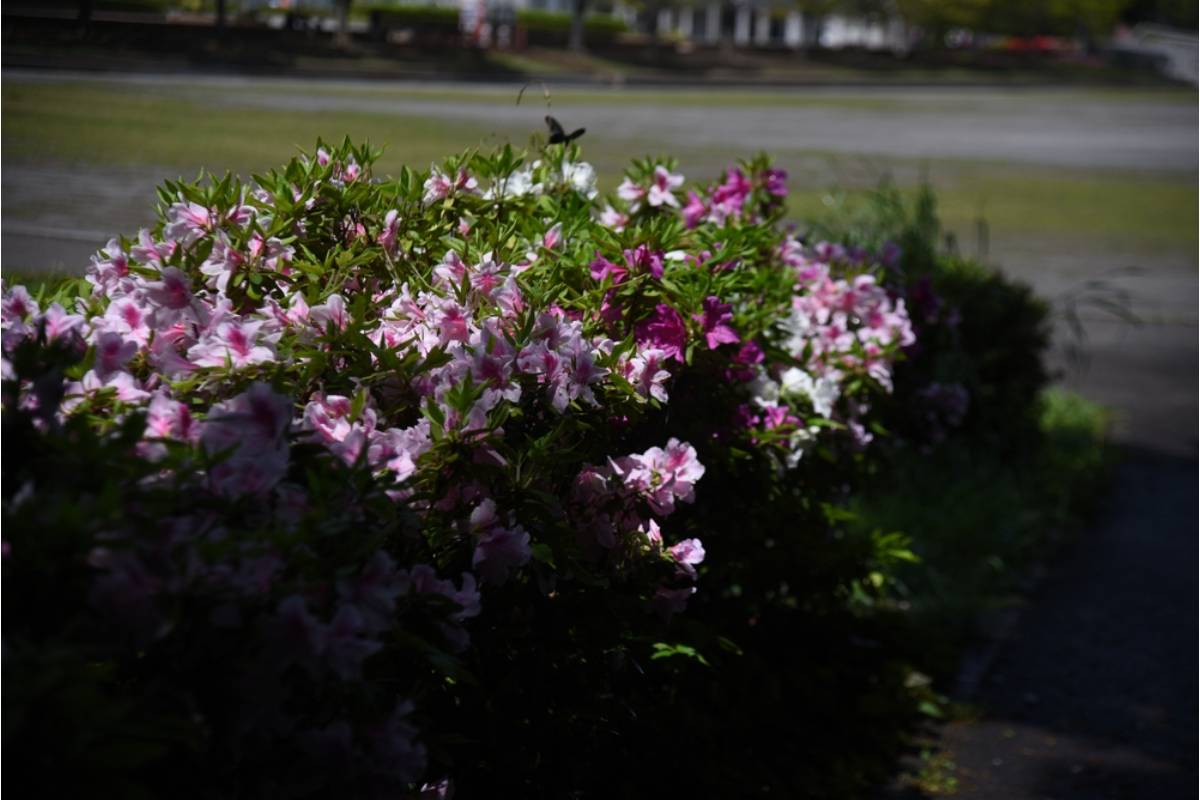
A Homeowner Spent Nine Years Reviving “Mowed-Over” Azaleas, Then Learned Why a Previous Tenant Had Been Trying to Erase Them
A person shared his story after discovering that his new property had a gardening surprise that had been hiding for years. When he and his family bought the house in 2017, they had no idea that several azalea bushes were already part of the landscape. The plants were so thoroughly kept down that they looked more like stubborn weeds than flowering shrubs waiting for their chance.
The mystery only became stranger when a neighbor explained what had happened before the house changed hands. According to the neighbor, the previous tenants had been mowing over the bushes year after year. Instead of allowing the plants to grow into the colorful shrubs they were meant to become, they had apparently kept cutting them back until there was barely any sign they existed.
The Azaleas Finally Got Their Second Chance
Once the new owners realized what was growing there, they decided to stop the mowing and see what the plants could actually do. Over the next nine seasons, the azaleas were allowed to grow, settle in, and become a real part of the yard. What had once been repeatedly flattened slowly transformed into a row of healthy flowering bushes.
The owner said they nurtured the plants with plenty of feeding and watering, although later he admitted the bushes were surprisingly low maintenance. In fact, before the extra fertilizer became part of the routine, the azaleas had already been blooming perfectly well on their own. It was almost as if the plants had spent years waiting patiently for someone to stop fighting them.
The Transformation Was Impossible to Ignore
After years of being treated like unwanted vegetation, the azaleas eventually became one of the most noticeable features of the property. They filled out into thick, mature bushes that added color, privacy, and a completely different character to the yard. The difference between their past and present was almost comical.
A response from a person captured the general feeling by pointing out just how stunning the bushes had become. Looking at the photos, it was difficult to understand why anyone would repeatedly mow down plants capable of becoming such an impressive garden feature. But that simple question opened the door to a much bigger debate about what makes a plant worth keeping.
Not Everyone Wants a Flowering Garden
One of the first explanations offered was that people simply like different things. Some gardeners want roses, some want trees, some want neat lawns, and others would happily replace every blade of grass with another flowering shrub. There is no universal rule saying that every homeowner has to love the same plants.
The owner, however, had a harder time understanding why the previous tenants had bothered to destroy these particular bushes without apparently replacing them with something else. That detail made the situation feel less like a garden redesign and more like a long-running battle against plants that had never been given a chance. The azaleas were not being swapped for a different vision of the yard, they were simply being kept down.
Then the Dog Entered the Story
Naturally, the conversation took an unexpected turn when people noticed the family’s dog posing beside the bushes. One response from a person jokingly suggested that the dog looked suspiciously guilty, as though the animal had finally been caught in the act. The dog, however, apparently had a completely different relationship with plants.
According to the owner, she was not interested in killing living shrubs at all. Her favorite activity was grabbing fallen sticks, dragging them into the bushes, and enthusiastically destroying the sticks for several minutes at a time. The result was less a botanical crime scene and more free garden mulch supplied by a very determined canine.
The Real Garden Argument Was Just Getting Started
As more people weighed in, it became clear that there were plenty of reasons someone might remove a plant. Some gardeners prefer certain colors, others want more open space, and some simply do not enjoy maintaining mature shrubs. A few people also pointed out that personal circumstances can make a particular plant unsuitable for a household.
That is where the story became more complicated than a simple tale about someone destroying beautiful flowers. A garden that looks perfect to one person can be completely impractical to another, especially when pets, children, allergies, limited time, or different landscaping goals enter the picture. Suddenly, the mystery had several possible answers.
One Family Preferred a Nearly Empty Yard
One response from a person described a relative whose approach to gardening was essentially to remove anything that caused inconvenience. If a plant dropped leaves, attracted deer, or created any kind of mess, out it went. Even mature trees could become targets simply because the debris underneath them required some cleanup.
The story reached an almost absurd point when a large dawn redwood became the subject of a proposed chainsaw attack. The tree was enormous, while the people discussing its removal seemed to have dramatically underestimated just how enormous it actually was. Fortunately, that particular gardening argument never turned into a surprise tree-removal project.
Another Gardener Remembered Making the Same Mistakes
Then another story revealed that destroying plants is not always the result of permanent dislike. A gardener who had moved into an older property admitted going through a period of ripping out plants simply because the yard needed a fresh start. At the time, removing established shrubs and other vegetation seemed like a practical way to create room and discover a new landscape plan.
Years later, some of those decisions were deeply regretted. Mature azaleas that had once lined the property ended up being removed, while neighbors rescued several of them from the street and replanted them elsewhere. The gardener later realized that some plants had not been problems at all, they had simply been misunderstood.
The Worst Mistake Turned Out to Be a Hydrangea
That same gardener admitted making an especially painful mistake with a large lacecap hydrangea. Because the flowers did not develop into the rounded shapes she expected, she assumed something was wrong with the plant. She eventually pulled it out, only to realize later that the unusual appearance was simply part of the variety.
It was the kind of gardening mistake that becomes funnier with time and more painful every time the memory returns. Plants can look strange when you are unfamiliar with their growth habits, especially when you compare them with varieties you already know. In this case, the lesson was simple: sometimes the plant is not failing, the gardener is simply learning.
Space Can Change Everything
Another response from a person explained that mature plants can also become casualties when a household’s priorities change. One gardener removed several established azaleas because a long garden bed divided the backyard and seemed to leave too little room for children to run around. At the time, open space appeared far more useful than another row of shrubs.
The twist was that the newly cleared area later proved difficult to grow anything in. The soil was rocky and badly in need of improvement, while the children did not end up using the space as much as expected. In the end, the gardener realized that those old azaleas had been providing something valuable, even if it had not been obvious at first.
Sometimes a Garden Reveals Its History Slowly
The homeowner’s own yard carried an even deeper history beneath the surface. Years after moving in, the family was still finding evidence of the property’s previous life while digging new garden areas. Broken bottles and old drink cans occasionally turned up in the soil, reminders of how differently the property had once been used.
Neighbors had apparently been delighted when the previous tenants finally left, and they continued commenting on the difference in the yard. The new owners were not simply growing flowers, they were gradually reclaiming a landscape that had been neglected for years. The azaleas became a symbol of that transformation without anyone planning for them to become one.
The Bushes Became More Than Decoration
For the homeowner, the azaleas also served a practical purpose beyond their flowers. Their size created a natural privacy barrier around the front yard and helped make a fire pit area feel more secluded. That meant the shrubs were not merely colorful ornaments, they were part of how the family actually used the property.
The plants also became easier to appreciate because they required so little attention compared with some other garden features. The owner explained that the fertilizer was largely an optional boost rather than something the bushes desperately needed. Year after year, the azaleas continued proving that sometimes a mature plant can quietly earn its place without demanding much in return.
Then Came the Debate About How Long Azaleas Look Good
Not everyone was convinced that azaleas deserved such devotion. Some gardeners admitted that the plants can provide an incredible burst of flowers and then look far less exciting for much of the year. Others said they preferred shrubs that offered longer-lasting color, more interesting foliage, or stronger value for pollinators.
The homeowner had an answer for that problem too. Instead of abandoning the plants, the family started adding azalea varieties capable of blooming multiple times during the year. What began as a complaint about seasonal flowers turned into another gardening experiment.
The Biggest Twist Was That Nobody Had to Be Right
Eventually, the story stopped being about whether azaleas were beautiful enough to keep. It became a reminder that gardening decisions are deeply personal, and a plant can be treasured by one homeowner while being removed by another without either person seeing the garden the same way. The real surprise was that the bushes survived long enough to tell the story at all.
Nearly a decade after the family moved in, the once-hidden azaleas had become healthy, mature features of the property. The plants that had repeatedly been mowed down were now thriving because someone finally chose to let them grow. And perhaps that is the funniest twist of all: the garden did not need rescuing from the azaleas, the azaleas simply needed someone to stop rescuing the lawn from them.