A New Gardener Was Warned Not to Get Attached to Her Community Garden Plot, Then Someone Stole the Watermelon She Had Treated Like Family
A person shared his story after moving to a new city and getting a community garden plot of his own. The location was in a busy area with plenty of people walking past, but the gardener was excited rather than worried. After all, there was something special about growing food with your own hands, especially when you had started unusual tomato and pepper varieties from seed.
There was just one warning that took some of the shine off the new adventure. Other gardeners had told the newcomer not to become too attached to anything planted there because theft was apparently a recurring problem. That advice was easy to hear and much harder to accept when the gardener had already poured so much time into those rare plants.
The Vegetables Weren’t Just Vegetables to Her
The gardener was especially attached to the tomatoes and peppers because they had been grown from seed. Unlike plants picked up from a garden center, these had been part of the process from the very beginning. Every tiny sprout had required attention, patience, and the hope that it would eventually become a strong, productive plant.
There was also another reason the harvest mattered. The gardener was trying to reduce grocery expenses while donating most of the produce to a food bank, so the plot had a practical purpose beyond simply being a hobby. With 75 percent of the harvest required to be donated, every surviving vegetable mattered.
Then Came the Warning About the Foot Traffic
The plot was located in a part of the garden where plenty of people passed by throughout the day. That meant the plants were easy to admire, but it also meant they were easy to approach. A person could wander past the plot, notice a colorful tomato, and be standing beside it before anyone had much chance to react.
The gardener immediately started thinking about protection. A four-foot wire fence seemed like an obvious solution, but there was a nagging question in the back of their mind. What good was a fence if someone simply walked through it, around it, or found a way over it?
One Gardener Had Already Learned the Painful Lesson
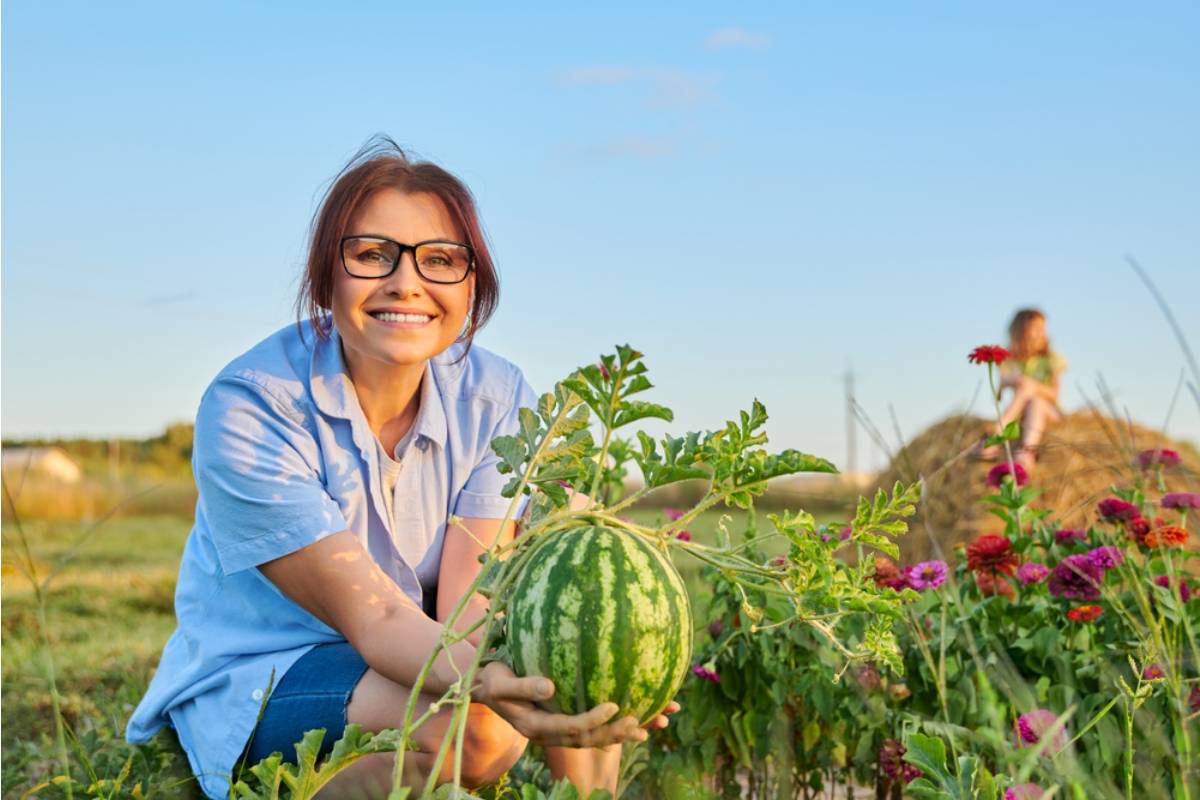
A response from a person shared a story from nearly twenty years earlier that sounded almost like a warning from the future. Their family had grown a watermelon at a community garden, and one family member had become completely attached to it. They watched it grow, waited for it to ripen, and could hardly wait for harvest day.
Then they arrived at the garden one day and discovered the watermelon was gone. It had been close to ripe during their previous visit, but now there was nothing there except the space where it had been growing. Almost two decades later, the person still remembered how heartbreaking that moment had been.
The Watermelon Wasn’t Even the Only Thing They Grew
That family had also grown tomatoes and green beans during the same season. Strangely, those vegetables were left alone while the prized watermelon disappeared. It was the kind of selective theft that made the loss feel even more personal, because someone had clearly chosen the crop they wanted.
The garden itself had already demanded plenty of effort. The gardeners had to haul bucket after bucket of water from a pump well whenever they visited, turning routine watering into a serious physical chore. After putting in all that work, arriving to find a much-loved crop missing was enough to make the entire experience feel pointless.
Some Gardeners Had Lost Entire Plants
Another response from a person said the problem could be even worse than losing individual vegetables. They had experienced people digging up mature plants and taking them from the plot completely. Instead of stealing a tomato or pepper, someone had effectively removed the entire reward for months of gardening.
The hope was that visitors were responsible rather than fellow gardeners, but that uncertainty did little to make the situation easier. A missing harvest can be disappointing, but a missing plant feels like watching months of growth disappear in a single afternoon. Suddenly, the proposed four-foot fence seemed less like an optional improvement and more like an urgent experiment.
Then Someone Asked Whether the Garden Was Even Worth It
One response from a person focused on the numbers. Growing enough food to reduce grocery bills while giving away 75 percent of the harvest meant producing a substantial amount in the first place. Add in the possibility that some of the remaining produce might disappear, and the arrangement started to sound less straightforward than the gardener had expected.
The gardener, however, was getting more than food from the experience. A community garden could provide practice, new gardening knowledge, and the chance to meet people who understood the joys and frustrations of growing things. The plot was beginning to look less like a simple grocery-saving project and more like an experiment in figuring out how much of the harvest could actually make it home.
A Community Garden Manager Revealed the Uncomfortable Truth
A response from a person with many years of experience managing community gardens offered a blunt observation. Theft happens, and no single garden has exactly the same problems or the same level of security. Instead of trying to create a perfect fortress, the suggestion was to grow crops in ways that make stealing them less rewarding.
One tactic was choosing varieties that mature quickly so there is less time for ripe produce to sit outside. Another was planting extremely productive crops such as cherry tomatoes, hot peppers, beans, and other heavy producers. If a thief takes a handful from a plant producing hundreds, the damage may be much smaller.
Strange-Looking Vegetables Could Become the Garden’s Secret Weapon
Then came one of the more amusing ideas. Grow vegetables that do not look like the familiar produce people see at grocery stores. Odd-shaped cucumbers, unusual eggplants, yellow tomatoes, and distinctive peppers might attract curiosity, but they may also leave a casual passerby wondering what exactly they are looking at.
That could give an unusual variety an unexpected advantage. A bright red tomato practically announces itself, while an unfamiliar dark or yellow variety may not immediately register as something worth grabbing. The gardener was relieved to learn that many of the plants already looked unconventional, which suddenly made those quirky varieties feel like accidental security features.
Another Trick Was to Harvest Before the Perfect Moment
The experienced gardener also suggested picking tomatoes as soon as they began to blush instead of leaving them outside until they were fully ripe. The fruit could then finish ripening safely at home, where the gardener could finally enjoy it without wondering whether someone else would get there first.
It was not exactly the romantic image of gardening that beginners dream about. Most gardeners imagine walking outside, finding a perfectly ripe tomato glowing in the sunlight, and plucking it straight from the vine. In this case, the perfect tomato might need to make an early escape before anyone else got the chance.
A Sign Could Turn the Whole Plot Into Something Different
Perhaps the cleverest suggestion involved putting up a sign explaining that the produce was being grown for charity. One person said they had seen signs like that reduce theft dramatically when produce was being donated to a school’s food pantry. The idea was simple: make it obvious that taking the vegetables meant taking food away from people who were supposed to receive it.
The suggestion came with one important condition. The gardener would need to actually make the donations promised on the sign. That small detail transformed the idea from a clever deterrent into something that could genuinely connect the garden to the wider community.
One Gardener Built a Garden Fortress Instead
Not everyone was interested in subtle tricks. A response from a person described taking the security approach much further by surrounding the garden with a full wire enclosure, adding a roof, and even creating doors that could be locked. The result was essentially a garden-sized cage protecting the plants from curious hands.
It sounded extreme until the person explained the history behind it. They had repeatedly lost peppers and squash before building the enclosure, but after the structure went up, the theft stopped for more than ten years. Apparently, very few people were willing to bring serious wire-cutting equipment to a community garden just to walk away with somebody else’s vegetables.
Then Another Gardener Admitted They Had Caught Someone in the Act
A much newer story made the problem feel even more immediate. A response from a person described actually seeing two people stealing from garden plots and confronting one of them. In another incident, the person photographed someone pulling handfuls of produce from another gardener’s space.
The most startling part came when they described watching someone remove three of their own plants from a planter. At that point, the issue was no longer a question of whether theft could happen. It had become a problem happening directly in front of the gardeners themselves.
The Plot Had Turned Into a Test of Nerve
The original gardener now faced a strange choice. They could build the four-foot fence and hope it was enough, choose less recognizable crops, harvest early, put up a charity sign, or accept that some losses might simply be part of the experience. Every option carried a trade-off between protecting the garden and keeping the whole hobby enjoyable.
That was the twist hidden inside the original warning. The gardener had joined the community garden expecting to spend the season worrying about sunlight, watering, pests, and harvest dates. Instead, one of the biggest challenges might be making sure the plants survived the humans walking past them.
The Garden Might Need to Outsmart People, Not Plants
For all the frustration, the advice offered one encouraging lesson. A gardener does not necessarily have to give up prized varieties just because the plot is exposed. Growing faster crops, choosing unusual-looking vegetables, harvesting at the first blush, using clear charity signage, and adding physical barriers can all change how tempting the garden appears.
The gardener had also already discovered something important: the rare tomatoes and peppers were worth protecting because they represented more than food. They were the result of seeds, time, care, and anticipation. In a place where someone could casually reach over and take them, the real challenge was not simply growing a great garden, but making sure the story ended with the gardener carrying the harvest home.