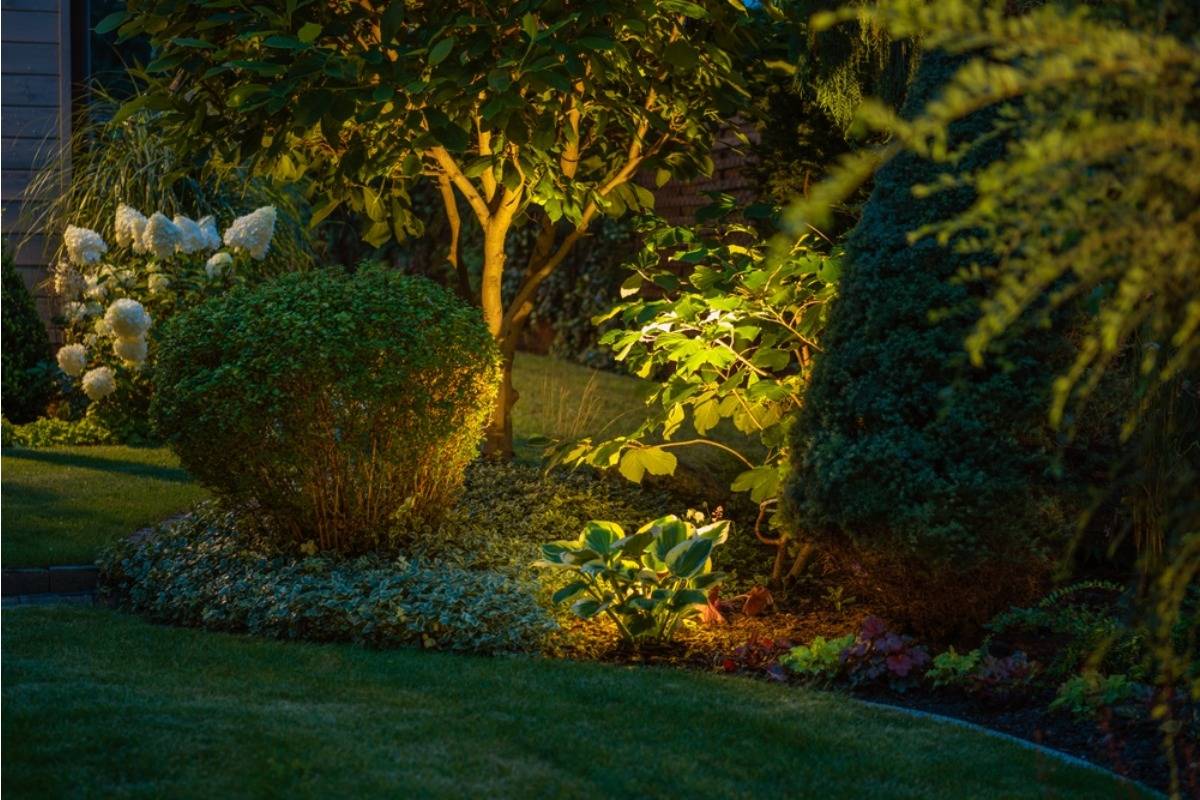
A New Trend of “Night Gardening” Is Emerging, And Cooler Hours Are Helping Plants Recover Better
A new trend of “night gardening” is emerging, and many home growers are shifting their routines to the evening hours. Cooler temperatures and calmer conditions are making plant care more effective and less stressful for both plants and gardeners.
Cooler Temperatures Reduce Plant Stress
Working with plants after sunset means avoiding the heat of the day. Water evaporates more slowly, and plants are less likely to experience shock. This helps them recover better after watering or transplanting. The environment is gentler. Stress on plants is reduced.
Watering Becomes More Efficient
In cooler conditions, less water is lost to evaporation. This allows moisture to reach the roots more effectively. Gardeners may need less water overall. Soil stays moist for longer periods. Efficiency improves without extra effort.
Transplanting Is Safer at Night
Moving plants or repotting them during hot hours can cause stress and wilting. At night, cooler air gives plants time to adjust before facing sunlight again. Recovery happens gradually. This increases success rates. Sensitive plants benefit the most.
Pests and Wind Are Often Less Active
Evening hours can bring calmer winds and reduced pest activity in some areas. This makes it easier to inspect and care for plants. Conditions feel more controlled. Gardeners can work with fewer interruptions. Maintenance becomes smoother.
More Comfortable for Gardeners
Night gardening is also easier on the person doing the work. There’s less heat exposure and less fatigue. This makes longer or more detailed tasks manageable. Comfort leads to better care. Gardening becomes more enjoyable.
Flexible Schedules Fit Modern Lifestyles
For people busy during the day, evening gardening offers a practical alternative. It fits around work and daily responsibilities. Gardening becomes more accessible. Time constraints are reduced. Routine adapts to lifestyle.
Soil Conditions Stay More Stable
Cooler temperatures help maintain consistent soil moisture and structure. Rapid drying during the day is avoided. Plants experience fewer fluctuations. Stability supports steady growth. Conditions remain balanced.
Lighting Adjustments Are Sometimes Needed
Some gardeners use outdoor lights or portable lamps to work effectively at night. This adds visibility for detailed tasks. Proper lighting ensures accuracy. It also allows for safe movement. Setup remains simple.
Not All Tasks Are Ideal at Night
While watering and transplanting work well, some tasks—like spotting certain pests or assessing plant color—may be harder in low light. Gardeners often balance day and night routines. Each time has its advantages. A mix of both works best.
A Shift Toward Smarter Timing in Gardening
Night gardening reflects a broader trend of adapting techniques to improve efficiency and results. Instead of following traditional schedules, gardeners are choosing what works best for their plants. Timing is becoming a key strategy. Care is more intentional.
As more people experiment with night gardening, they’re finding that small changes in timing can make a noticeable difference. For many, cooler hours are not just more comfortable—they’re helping plants grow stronger and recover better.