A Gardener Asked Whether Gardens Could Be Designed for People Who Need Peace and Quiet, Then Discovered That the Perfect Outdoor Space Might Look Nothing Like a Traditional Garden
A garden does not have to be filled with colorful flowers, perfectly trimmed hedges, and rows of vegetables to be worth visiting. For some people, the most appealing outdoor space is one that feels peaceful, comfortable, and easy to enjoy without too much noise or activity. That idea opens up an interesting question about whether gardens can be designed around the needs of the people using them rather than simply how they look.
A thoughtfully planned garden can offer more than a pretty view through the window. The choice of plants, pathways, seating, shade, and surrounding sounds can all change how a person experiences the space. Sometimes, the most successful garden is not the one that impresses visitors but the one that makes them feel at ease.
A Garden Does Not Have to Be Packed With Flowers
Traditional garden designs often focus on creating a colorful display, with flowering borders, decorative pots, and carefully arranged plants. However, a garden designed for relaxation might take an entirely different approach, using greenery, open space, and natural textures to create a calmer atmosphere. Instead of trying to impress everyone who walks through the gate, the garden can focus on making its visitors feel comfortable.
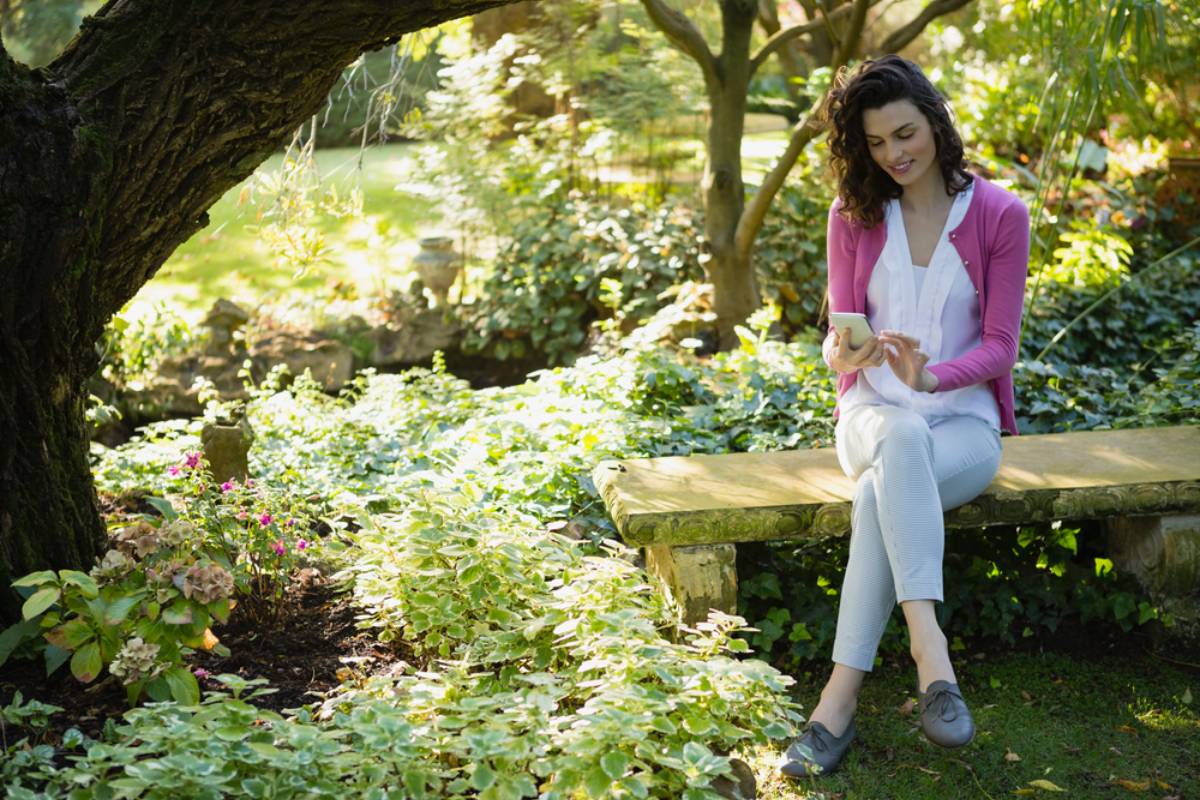
Imagine a small patch of lawn surrounded by leafy shrubs, with a wooden bench tucked beneath a tree. There might be only a handful of flowers, but every element has a purpose, from the shade overhead to the soft foliage along the path. Sometimes, removing unnecessary decorations can make a garden feel more inviting than adding another dozen plants.
The Quiet Garden Movement Already Exists
It turns out that gardens dedicated to quiet reflection are not merely an idea waiting for someone to invent them. The Quiet Garden Movement connects people with outdoor spaces intended for stillness, contemplation, rest, and appreciation of nature. Its network includes gardens in rural and urban settings, demonstrating that a peaceful retreat does not necessarily require a countryside estate.
These spaces can be particularly appealing to people who want somewhere to pause without having to follow a busy schedule. Some are located in churchyards, while others occupy secluded corners of larger properties. Their defining feature is not an extravagant collection of plants but the opportunity to spend time outdoors at a gentler pace.
The Secret Is Choosing Plants That Set the Mood
Plants influence the character of a garden in ways that go far beyond their flowers. Broad leaves, delicate grasses, evergreen shrubs, and softly textured foliage can create a landscape that feels restful throughout the year. A gardener can build an attractive space by combining different shades of green instead of relying on bright colors everywhere.
Fragrance can also play a role in shaping the experience. Depending on the climate and growing conditions, lavender, mint, or other aromatic plants can introduce gentle scents near a seating area or pathway. The trick is to choose plants that suit the space rather than filling every available corner with something new.
Water Features Can Change the Entire Atmosphere
A small water feature can give a garden a completely different personality. The gentle sound of trickling water may soften some background noise and provide a pleasant focal point for people sitting nearby. Even a modest fountain can make a simple patio feel more like a secluded retreat.
Of course, not every garden needs a pond or an expensive fountain to achieve this effect. A shallow birdbath, a simple container water feature, or even the natural sound of rain falling on leaves can contribute to the atmosphere. The best choice depends on the available space, maintenance requirements, and whether the sound is genuinely enjoyable to the people using the garden.
A Comfortable Seat Might Matter More Than Another Flowerbed
Gardeners sometimes spend hours deciding which plants belong together but forget to plan where someone will actually sit. A comfortable bench in a shaded corner can make the difference between a garden that looks attractive and one that people genuinely want to use. Positioning the seat toward a pleasing view also gives the space a clear purpose.
The surrounding plants can help make the seating area feel separate from the rest of the yard. Taller shrubs, climbing plants, or a small tree may provide a sense of privacy without completely enclosing the space. Suddenly, an ordinary garden corner becomes somewhere to read, watch birds, or simply enjoy a few uninterrupted minutes outside.
Winding Paths Can Make a Small Garden Feel Special
Straight pathways are practical, but gently curving paths can create a sense of discovery. A visitor might follow a gravel walkway around a clump of ornamental grasses before arriving at a hidden bench or a small planting bed. This makes the garden feel like a place to explore rather than a display to glance at from the doorway.
Curves do not need to be elaborate or expensive to work. Even a narrow path bordered by low-growing plants can create a more interesting journey through the space. For smaller gardens, the key is to keep the layout accessible and avoid adding so many twists that walking around becomes inconvenient.
Privacy Can Turn an Ordinary Yard Into a Retreat
A garden might be beautifully planted yet still feel uncomfortable if it offers no separation from the street or neighboring properties. Privacy can be improved with hedges, trellises, climbing plants, or strategically placed shrubs. These features help establish a sense of enclosure while allowing the garden to remain open and green.
The goal is not necessarily to build a fortress out of bushes. A few carefully positioned plants may be enough to screen an unwanted view or create a sheltered sitting area. With time, the growing greenery can make the space feel more established and welcoming.
Wildlife Can Become Part of the Experience
A peaceful garden does not have to be completely silent. Birds visiting a feeder, butterflies moving between flowers, and bees exploring a patch of native plants can bring gentle activity into the landscape. For many gardeners, watching these visitors becomes one of the most enjoyable reasons to spend time outside.
Planting choices can encourage wildlife without turning the garden into a complicated conservation project. Suitable native flowers, flowering shrubs, and plants that produce seeds or berries can provide useful food sources. A small birdbath or shallow water source may offer another attraction, provided it is kept clean and safe for visiting animals.
Sensory Gardens Offer More Than Something Pretty to Look At
Some gardens are designed around the different ways people experience the natural world. Known as sensory gardens, these spaces may incorporate fragrant plants, varied leaf textures, contrasting colors, gentle sounds, and features that invite touch. Their design can be adapted to suit different visitors, including people with different sensory preferences or accessibility needs.
A sensory garden does not have to overwhelm visitors with dozens of competing features. One area might contain soft ornamental grasses, another might feature aromatic herbs, and a third might provide a quiet place to observe the surrounding plants. The most effective approach is to make the experience intentional, with enough variety to explore and enough simplicity to enjoy.
Not Everyone Wants the Same Kind of Garden
One person might find a bubbling fountain wonderfully relaxing, while another would prefer the sound of wind moving through trees. Someone may love a densely planted cottage garden, whereas another person might feel more comfortable in an open space with a clear view of every pathway. These differences are a reminder that garden design is not a competition to create one universally perfect landscape.
Penn State Extension’s garden design guidance emphasizes that a garden should reflect the needs and preferences of the people who use it. That can include practical considerations such as maintenance, pets, family activities, and the choice of plants. A garden designed around its owner’s actual preferences is often more successful than one that simply follows the latest trends.
Even a Tiny Balcony Can Become a Garden Sanctuary
The idea of a restorative garden may sound expensive if someone imagines a large property filled with mature trees and elaborate landscaping. In reality, a balcony, courtyard, or small patio can provide the foundation for a similar experience. A few suitable containers, a comfortable chair, and plants chosen for their appearance or fragrance can transform even a modest outdoor area.
Vertical gardening can help make the most of limited floor space, while lightweight containers allow plants to be arranged around seating. A small evergreen, a fragrant herb, or a leafy climbing plant can add character without requiring a major renovation. The important part is creating a place that feels pleasant to spend time in, regardless of its size.
Maintenance Should Not Become Another Source of Stress
A garden intended for relaxation can lose its appeal if it requires constant pruning, watering, and complicated upkeep. Choosing plants suited to the local climate and available sunlight can reduce the work involved in keeping the space healthy. Mulching, grouping plants with similar watering needs, and selecting manageable planting areas can also make routine care easier.
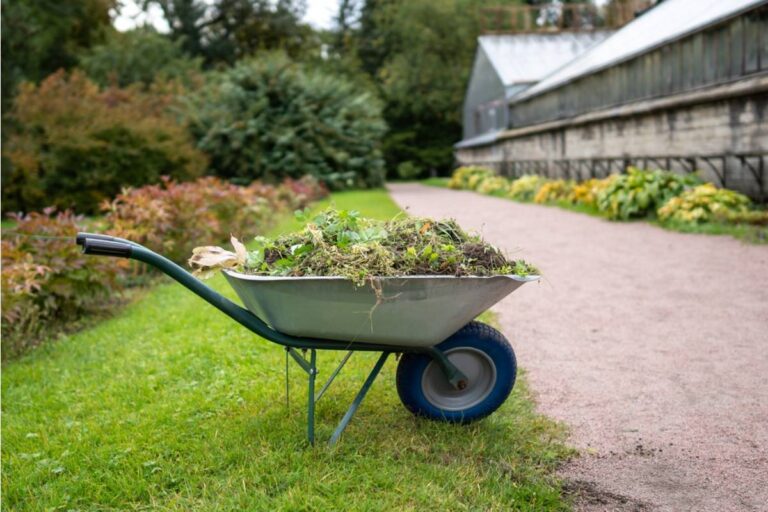
There is no rule that says a peaceful garden must be perfectly tidy. A few fallen leaves, an informal border, or a slightly wild patch for pollinators can contribute to its natural character. Rather than chasing an impossible standard of perfection, gardeners can focus on maintaining the parts of the space that matter most to them.
The Most Important Design Feature Might Be What You Leave Out
Garden design often encourages people to add something new whenever a space feels incomplete. Yet a restful outdoor area may benefit more from removing unnecessary clutter, reducing visual distractions, and leaving room between plants. Open space gives individual features a chance to stand out without competing for attention.
A simple arrangement of stones, a few carefully chosen plants, and a shaded place to sit can create a strong impression without a long shopping list. Contemplative gardens often use this principle by arranging plants, stones, and other elements around a particular view or resting point. The result can feel deliberate and balanced without appearing crowded.
The Perfect Garden May Be the One That Fits Its Owner
The idea of designing a garden around how people want to feel challenges the assumption that every outdoor space should look impressive to visitors. A garden can be colorful and lively, or it can be understated, private, and filled with quiet places to sit. Neither approach is automatically better because the right design depends on the person who will use it.
For anyone considering a garden makeover, the best starting point might be a simple question: what would make spending time outside more enjoyable? The answer could involve more shade, fewer maintenance tasks, fragrant herbs, wildlife-friendly plants, or a secluded bench. Once that need becomes clear, choosing the right plants and features becomes much easier, and the garden can grow into something genuinely personal.