Homeowner Says Her Uncle Offered to Repair the Garden Fence While Watching the House, Then Tore Out an Entire Row of Blackberries He Mistook for Weeds
Leaving my house in my uncle’s care felt like one less thing to worry about while my husband and I attended a family wedding out of state. He had always been handy with repairs and volunteered to fix a loose section of the backyard fence while we were gone.
I thanked him for helping and never imagined that one well intentioned afternoon would erase years of careful gardening. By the time we pulled into the driveway, the fence looked perfect, but something far more important had disappeared.
The Blackberry Row Had Taken Years to Establish
The blackberry canes stretched along the back fence because that was the sunniest location in the yard. I planted them years earlier after my grandmother gave me a handful of rooted starts from her own garden. Every season the plants grew stronger, producing sweeter berries than the year before.
Harvest time became a family tradition.
My children filled bowls while my husband picked the highest clusters. We made jam, pies, and enough frozen berries to last well into winter. Those plants carried memories that reached far beyond the fruit itself.
My Uncle Loved Fixing Things
Uncle Raymond had spent most of his life working in residential construction. He could repair almost anything with enough lumber, nails, and determination. Whenever someone in the family mentioned a broken gate or sagging porch step, Raymond usually arrived before anyone else.
He enjoyed staying busy.
When I told him we would be gone for four days, he immediately offered to watch the house. Then he noticed one fence panel leaning slightly and insisted he could straighten it while we were away.
I Walked Him Through the Garden
Before leaving, I gave Raymond a quick tour of the backyard.
I explained which flowers needed watering and pointed out the vegetable beds that had recently started producing tomatoes and peppers. When we reached the blackberry row, I mentioned that the canes looked messy but would soon be loaded with ripe fruit.
He nodded casually.
Looking back, I realized he barely glanced at the plants before turning his attention back to the leaning fence.
The Fence Needed More Work Than Expected
According to Raymond later, repairing the fence turned into a much larger project.
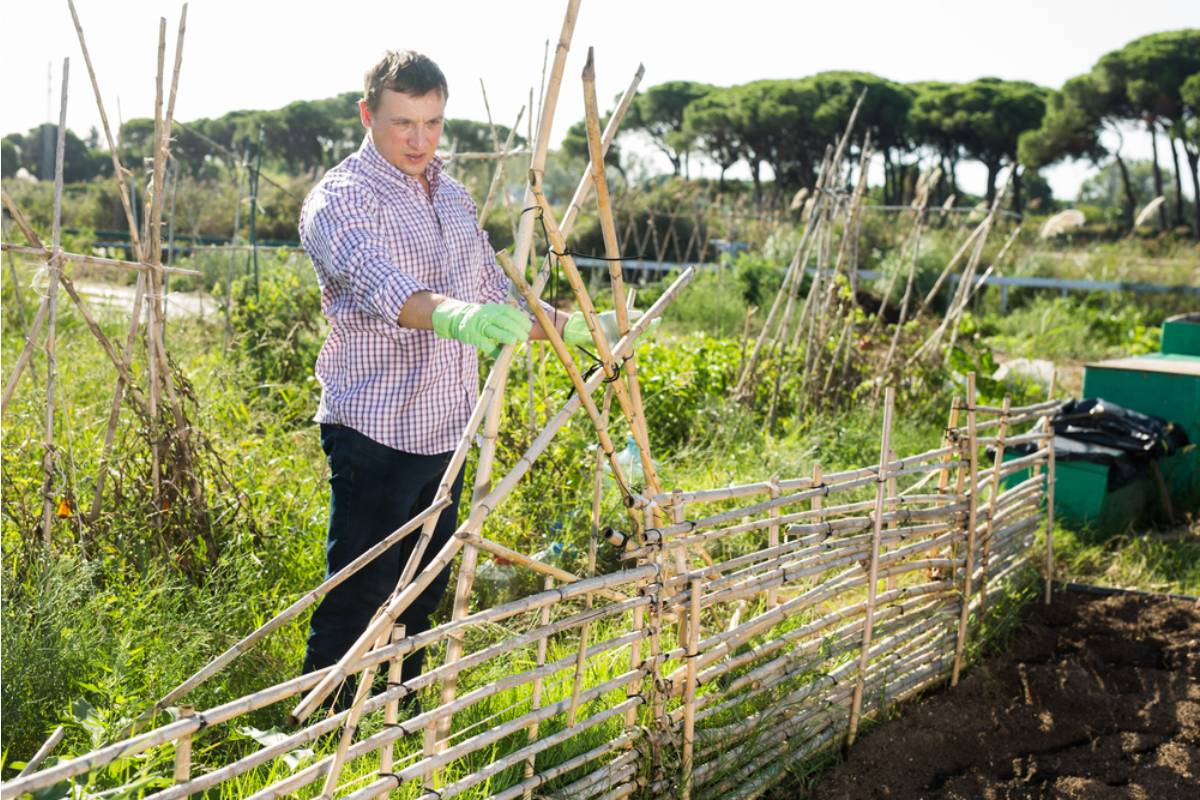
Once he removed one damaged post, he discovered several others had begun rotting underground. Replacing them required digging deeper and creating more working space along the fence line.
The blackberries quickly became an obstacle.
Their thorny canes brushed against his arms every time he lifted lumber into position. Instead of asking whether they could be trimmed back temporarily, he reached a conclusion that changed everything.
A Costly Assumption Took Shape
Raymond believed the blackberry canes were wild brambles that had grown through the fence from a neighboring property.
They looked untidy after producing new shoots, and several long branches stretched across the repair area. Since he thought they were invasive weeds, he decided removing them would make the fence stronger and cleaner.
He never questioned the decision.
To him, cutting them away seemed like doing me an extra favor. He proudly imagined how much neater the backyard would look once everything was finished.
The Neighbor Tried to Stop Him
Our next door neighbor, Linda, happened to be gardening when Raymond began cutting the canes.
She leaned over the fence and asked, “Are you sure she wanted those removed?”
Raymond smiled confidently.
“They’re just weeds growing into the fence,” he replied.
Linda hesitated because she remembered seeing my family picking berries there every summer. She mentioned that fact politely, but Raymond insisted she must have mistaken those plants for something else.
Believing he knew what he was looking at, he continued working.
Coming Home Felt Almost Perfect
When we returned home, the repaired fence looked fantastic.
The leaning section stood perfectly straight, and every loose board had been replaced. Raymond proudly greeted us with a smile, obviously expecting appreciation for all his hard work.
I thanked him sincerely.
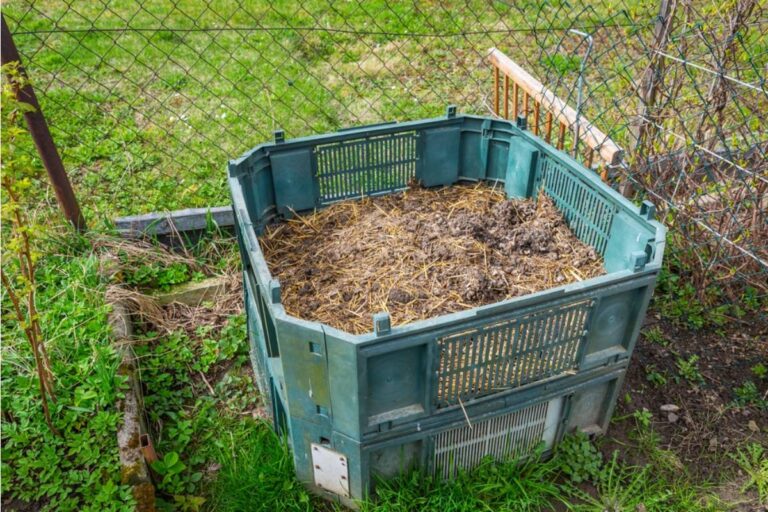
Then I looked toward the back corner where the blackberry row should have been. Instead of green canes climbing along the fence, I saw only bare soil and a neat pile of thorny branches stacked beside the compost bin.
My heart immediately dropped.
One Question Changed the Mood
I walked slowly toward the empty space before turning back to Raymond.
“What happened to the blackberries?”
He looked genuinely confused.
“What blackberries?” he asked.
“The weeds?”
The moment those words left his mouth, I realized he had absolutely no idea what he had removed. His proud expression disappeared as soon as he saw my face.
The Full Story Came Out
Raymond explained everything exactly as it happened.
He believed the thorny plants threatened the fence and assumed I would appreciate having them cleared away. He even dug out many of the roots because he wanted to prevent the “weeds” from growing back.
Every sentence made the situation worse.
He had not merely trimmed the plants. He had removed nearly every mature cane and much of the root system that had taken years to establish.
Looking Through Old Photos Hurt Even More
That evening I searched my phone for pictures of previous harvests.
Nearly every summer included smiling children holding bowls overflowing with blackberries. One picture showed my late grandmother teaching my youngest daughter how to recognize ripe fruit without crushing it.
Raymond quietly stood beside me.
He had never realized those plants came from my grandmother’s original patch. Until that moment, they had simply looked like overgrown thorn bushes to him.
The family history hidden inside those canes suddenly became painfully clear.
Hope Appeared in an Unexpected Place
The next morning Linda knocked on my door carrying a small bucket.
Inside were several healthy blackberry shoots growing in pots.
She smiled gently and explained that years earlier I had shared extra root cuttings with her when my own patch became overcrowded. She had kept them thriving in another corner of her yard ever since.
“I thought you might need these someday,” she said.
Neither of us imagined that day would arrive this way.
Raymond Refused to Walk Away
Most people would have apologized once and left the situation behind.
Raymond chose something different.
He returned every weekend for nearly a month, helping rebuild the entire berry row from the surviving roots and Linda’s donated plants. He installed a stronger trellis, spread fresh compost, and carefully mulched every new planting according to my instructions.
He asked questions constantly.
This time he wanted to understand every plant before touching a single branch.
An Expert Offered Better News
A local nursery owner visited after hearing what happened through a gardening club friend.
After examining the remaining root crowns, she smiled encouragingly.
She explained that blackberries are remarkably resilient when portions of the root system survive. Although we would lose that season’s harvest, several healthy shoots might emerge the following spring.
Her optimism lifted everyone’s spirits.
For the first time since coming home, I believed the garden had a real chance of recovering.
A Different Harvest Arrived the Following Year
Spring brought tiny green shoots pushing through the soil exactly where the old row once stood.
Not every plant returned, but enough survived to begin rebuilding naturally. The berries were fewer than usual that first season, yet picking them felt surprisingly emotional.
Raymond joined us.
Instead of standing back awkwardly, he carefully harvested alongside the children after asking exactly which branches should remain untouched for future growth.
Nobody teased him.
Everyone understood he had already learned the lesson more deeply than any lecture could have taught.
The Garden Gained More Than It Lost
Today the blackberry row is thriving again, although it took several seasons to reach its former size. The fence beside it remains sturdy thanks to Raymond’s repair, and a small wooden sign now hangs nearby identifying the plants for anyone unfamiliar with them. Whenever family members ask about the sign, Raymond usually tells the story himself before anyone else has the chance.
He always finishes with the same advice. Never assume a plant is worthless just because it grows differently than expected. A quick question can protect years of hard work, preserve family memories, and save something that cannot simply be replaced by another trip to the garden center. Looking across the backyard now, I no longer see only the mistake. I also see the patience, forgiveness, and teamwork that slowly helped the garden grow back stronger than before.