Gardener Says She’s Been Letting a Neighbor’s Kids Pick Berries From Her Bushes All Summer as a Kindness, Then Found Out the Parents Have Been Selling Them at a Roadside Stand
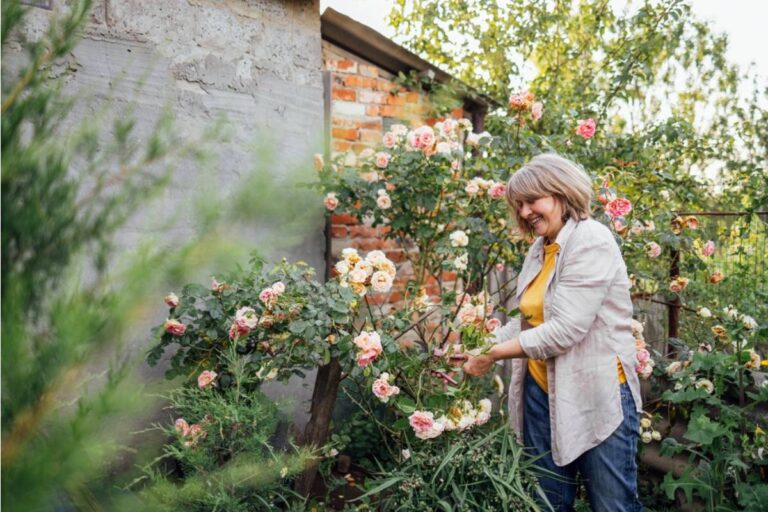
When I planted blueberry and blackberry bushes along the edge of my yard, I imagined sharing the harvest with friends, neighbors, and anyone who happened to stop by. The bushes eventually became so productive that there were always more berries than I could possibly use.
Every summer, children from the neighborhood would ask if they could pick a handful, and I always said yes as long as they respected the plants. Watching them leave with stained fingers and excited smiles became one of my favorite seasonal traditions. I believed those moments were teaching generosity and appreciation for growing food. I had no idea that kindness had quietly become someone else’s business opportunity.
The First Basket Came With a Polite Question
One afternoon, two siblings named Emma and Caleb walked up my driveway carrying a small plastic bowl. They shyly asked whether they could pick a few blueberries for homemade pancakes. Their manners immediately reminded me of how my grandparents expected children to behave.
I showed them which bushes were ready and explained how to avoid pulling on the branches. Before leaving, they thanked me twice and promised not to waste any fruit. I smiled because they had taken only what they needed.
A Summer Routine Quickly Formed
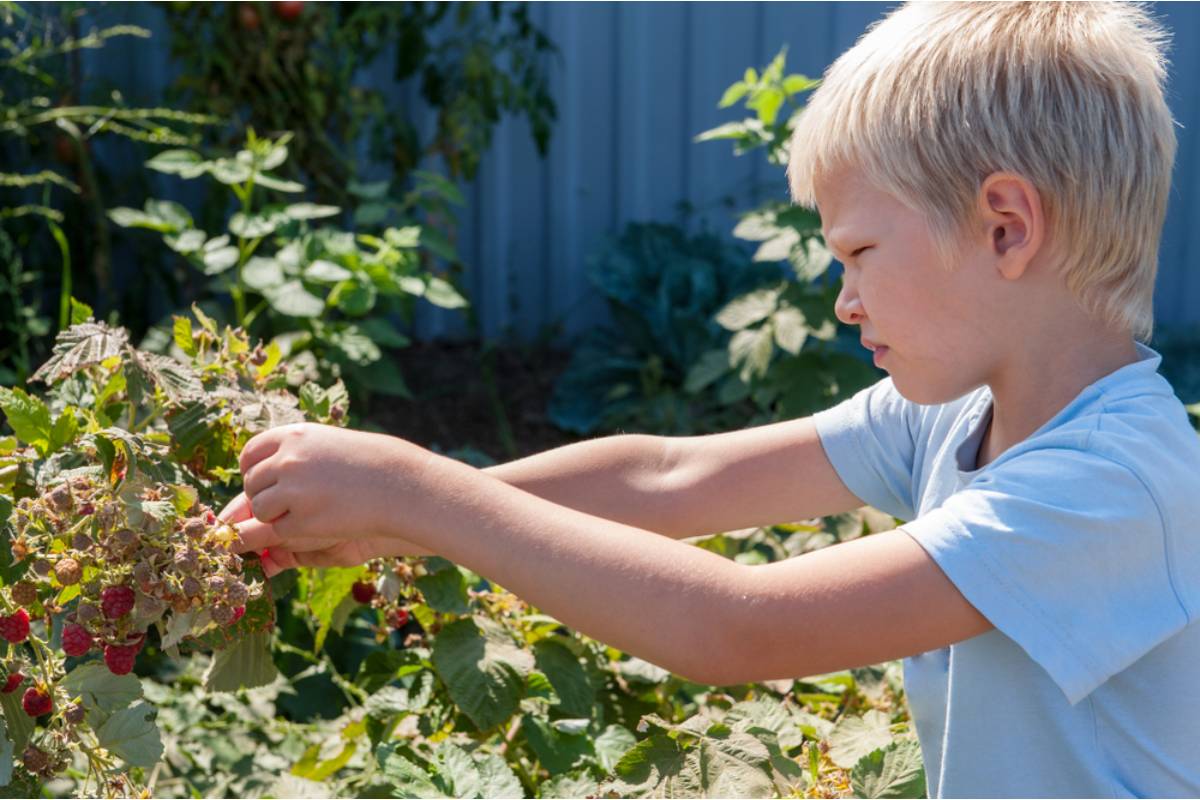
Over the next several weeks, the children stopped by every few days. Sometimes they brought a younger cousin who listened carefully while I explained which berries were ripe and which still needed another day or two. They treated the bushes gently and never left a mess behind.
Seeing young people interested in gardening felt refreshing. I even started setting aside a section of the patch that I jokingly called the neighborhood corner because I knew they enjoyed picking from it.
The Harvest Seemed Larger Than Usual
As the bushes matured, they produced more berries than ever before. Even after freezing several containers and baking pies, plenty remained. I encouraged the children to take a little extra because I hated seeing ripe fruit fall to the ground.
One afternoon Emma asked if she could bring a larger container next time. Assuming her family wanted to make jam, I happily agreed.
Bigger Containers Started Appearing
Within a week, the children arrived carrying gallon sized buckets instead of small bowls. I laughed and asked whether they planned to feed the whole neighborhood. Caleb grinned and replied, “Mom says we should pick as many as you’ll let us.”
The answer sounded innocent enough. Since the bushes were overflowing, I gave them permission without giving it much thought.
Other Neighbors Began Asking Questions
During a weekend block party, one neighbor complimented me on how many berries I had donated to the roadside fruit stand near the entrance of the subdivision. I looked at him with complete confusion because I had never contributed anything to a roadside stand.
He described a folding table decorated with handwritten signs advertising fresh local berries. According to him, the children helping there looked very familiar.
That conversation stayed in my mind long after the party ended.
Curiosity Led Me Down the Road
The following afternoon I decided to drive past the neighborhood entrance. Sure enough, a small roadside stand stood beside the road with baskets filled with blueberries and blackberries. Behind the table sat Emma and Caleb smiling at passing drivers.
Their parents stood nearby greeting customers while encouraging people to buy fresh locally grown fruit. I noticed something that immediately caught my attention.
The berries looked exactly like mine because they were packed in the same reusable containers I had watched the children carry into my yard.
An Innocent Conversation Revealed Everything
Rather than confront anyone immediately, I stopped at the stand pretending to browse. I complimented the berries and casually asked where they had been grown. Emma proudly answered before her parents could speak.
She smiled and said, “From Miss Laura’s bushes. She lets us pick all we want.”
Her mother quickly interrupted and changed the subject, but the answer had already been spoken.
I Asked for a Private Conversation
Later that evening I knocked on their front door. I calmly explained that I had no problem sharing berries for personal use, but I had never agreed to provide fruit for a business, no matter how small.
Emma’s father insisted they considered the stand a family activity rather than a business. He argued that the children were learning responsibility by helping customers.
I replied that responsibility also included asking permission before profiting from someone else’s generosity.
The Neighborhood Learned the Truth
The discussion might have ended there if another neighbor had not overheard part of our conversation while walking his dog. Within days, people throughout the neighborhood understood what had happened. Several residents admitted they had purchased berries believing they came from the family’s own garden.
Many were surprised to learn the fruit actually came from bushes growing in someone else’s yard. The story spread quickly because nobody expected such an unusual misunderstanding.
The Children Looked Heartbroken
A few days later, Emma and Caleb came to my house without their parents. They looked nervous and apologized, explaining they thought I already knew why they were taking so many berries. Their parents had told them everything was perfectly fine because I had never objected.
That conversation changed my perspective. The children had not tried to deceive anyone. They simply trusted the adults who made the decisions.
An Unexpected Offer Changed the Mood
Instead of blaming the children, I invited them into the garden. I explained the difference between sharing something freely and receiving permission to sell it. They listened carefully and asked thoughtful questions that made it clear they genuinely wanted to understand.
Before leaving, Emma quietly asked if they could still visit the berry bushes sometimes.
I smiled and told them they would always be welcome as long as they picked fruit for their family instead of a sales table.
The Parents Returned With an Apology
The following weekend, both parents knocked on my door carrying homemade blueberry muffins. They admitted they had convinced themselves the extra berries would otherwise go to waste. Over time, they stopped thinking about where the fruit actually came from.
They apologized for taking advantage of my generosity and offered to replace the bushes if they had been damaged. Fortunately, the plants remained healthy despite the heavy picking.
A Better Idea Replaced the Roadside Stand
After talking for a while, we came up with a different plan. The following summer, several neighbors agreed to create a small community garden where everyone could contribute fruit, vegetables, and flowers voluntarily. Any produce sold during neighborhood events would come only from people who specifically chose to donate.
Emma and Caleb became some of the garden’s most enthusiastic volunteers. This time they proudly explained to visitors exactly which plants belonged to which families.
Kindness Found the Right Balance
Today the berry bushes continue producing more fruit than I can possibly use each season. Children still stop by carrying bowls, and I still enjoy watching them discover the sweetest berries hidden beneath the leaves. The difference is that everyone now understands the simple expectation behind the invitation.
Generosity works best when honesty grows alongside it. I never regretted sharing the harvest because seeing families enjoy fresh berries remained deeply rewarding. What I regretted was allowing assumptions to replace clear conversations. Once those conversations finally happened, the neighborhood gained something much more valuable than a few baskets of fruit. It gained a better understanding of trust, respect, and what it truly means to be a good neighbor.