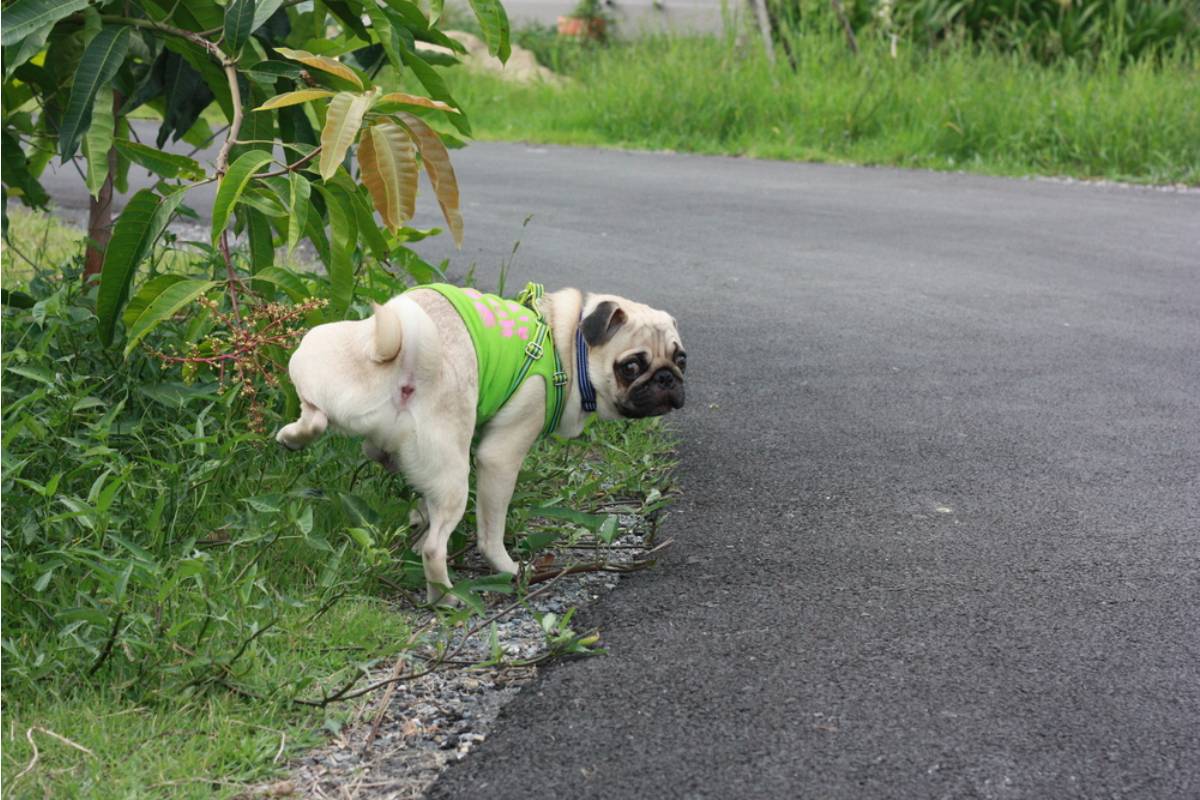
Homeowner Says a Delivery App Driver Has Been Using His Driveway as a Rest Stop, Letting a Dog Out to Relieve Itself in the Garden Beds Every Time
What started as an occasional inconvenience slowly became a frustrating pattern after one homeowner realized the same unfamiliar vehicle kept returning to his property for reasons that had nothing to do with making deliveries.
A Car That Never Stayed Long
Brian first noticed the compact gray SUV because it pulled into his driveway several afternoons each week. The driver never came to the front door, never carried packages, and never knocked. Instead, the vehicle would remain parked for a few minutes before quietly pulling back onto the street.
At first Brian assumed the driver was checking directions.
His neighborhood had several similar looking houses, and delivery drivers occasionally stopped to verify addresses. The brief visits seemed harmless, so he never gave them much thought.
An Unusual Routine Began to Stand Out
After several weeks, Brian realized the visits followed the same pattern.
The SUV always arrived between active delivery trips, stayed for only a short time, and then left without interacting with anyone. One afternoon Brian happened to glance out the window just as the driver’s door opened.
A medium sized dog jumped out.
The driver clipped on a leash, walked directly toward Brian’s flower beds, waited while the dog relieved itself, then returned to the vehicle and drove away.
Brian could hardly believe what he had seen.
The Garden Showed Signs of Damage
Brian’s wife, Melissa, had spent years designing the front garden.
Native flowers, ornamental grasses, and carefully mulched beds lined both sides of the driveway. Over time they began noticing disturbed mulch, flattened plants, and small bare patches that seemed to appear without explanation.
The mystery finally made sense.
The repeated visits were not simply inconvenient. The garden itself was being damaged little by little every time the dog wandered through the landscaping.
A Friendly Conversation Seemed Reasonable
A few days later the SUV returned while Brian was outside trimming shrubs.
He walked toward the driveway with a calm smile and greeted the driver. The woman introduced herself as Amanda and explained she worked for multiple delivery apps throughout the day.
Brian politely pointed toward the flower beds.
He explained that this was private property and asked if she could choose a public area or nearby park instead. Amanda apologized immediately, promised it would not happen again, and drove away.
Brian believed the issue had been resolved.
The Promise Didn’t Last
Less than a week later Melissa looked out the kitchen window.
The same SUV sat in the driveway again.
Amanda stepped out, clipped the leash onto the dog, and walked toward the exact same garden bed as before. Melissa opened the front door, and Amanda quickly returned to her vehicle before driving away without saying a word.
The apology suddenly felt meaningless.
Brian and Melissa realized the first conversation had changed nothing.
Security Footage Revealed the Full Picture
Brian decided to review recordings from the home’s security cameras.
He expected to find only a handful of visits. Instead, he discovered more than two dozen stops over the previous month alone. Some lasted only three minutes, while others stretched much longer.
The videos revealed another surprise.
Amanda often remained inside the SUV eating snacks, checking her phone, or organizing delivery bags while the dog rested beside the garden before climbing back into the vehicle.
Their driveway had quietly become part of her daily routine.
Neighbors Had Seen the Same Vehicle
During an evening walk Brian mentioned the situation to several neighbors.
To his surprise, two families recognized the SUV immediately. One neighbor recalled seeing the vehicle parked outside different homes throughout the subdivision. Another remembered watching the dog wandering near front lawns while the driver checked messages.
Nobody had connected the incidents before.
Once Brian described the pattern, everyone realized they had each witnessed small pieces of the same routine.
A Delivery Was Finally Involved
One evening Amanda actually delivered food to Brian’s next door neighbor.
Brian happened to be outside watering plants when she recognized him. She looked embarrassed before he even spoke.
“I know why you’re coming over,” she admitted quietly.
Brian appreciated that she remembered their earlier conversation. He simply asked why she continued using his driveway despite promising to stop.
Amanda hesitated before answering.
The Explanation Surprised Everyone
Amanda explained that the neighborhood sat almost exactly between two busy restaurant districts.
Her delivery apps frequently assigned orders from both directions, leaving short gaps where she needed to organize drinks, respond to new requests, or give her dog a quick break before continuing.
She admitted Brian’s driveway felt convenient because it was wide and rarely occupied.
Brian understood the scheduling challenges.
Still, convenience did not make someone else’s property an appropriate place for daily stops.
A New Problem Came to Light
While talking, Brian noticed something unexpected.
Amanda seemed exhausted.
She explained she spent long days driving because caring for her elderly father required flexible work hours. The dog traveled with her because leaving it home alone for extended periods was not an option.
Although Brian sympathized with her situation, he gently reminded her that difficult circumstances did not erase the responsibility to respect other people’s homes.
Amanda nodded without arguing.
Looking for a Practical Solution
Instead of ending the conversation there, Brian asked whether nearby public spaces could work better.
Amanda admitted she had never really looked because she was constantly rushing between deliveries. Brian suggested a community park less than five minutes away that included open grassy areas, trash bins, and convenient parking.
Melissa added another suggestion.
A nearby shopping center had designated short term parking where many drivers already waited for new delivery requests. Amanda wrote both locations down on her phone.
The Pattern Finally Changed
Over the next several weeks Brian kept an eye on the security cameras.
The gray SUV no longer appeared in the driveway.
Instead, Brian occasionally noticed Amanda’s vehicle parked legally near the community park while the dog enjoyed a proper walk across the open grass instead of wandering through landscaping.
The flower beds slowly recovered.
New mulch stayed in place, damaged plants filled back in, and Melissa no longer worried about discovering fresh messes every morning.
An Unexpected Thank You
Several months later Brian received a knock on the front door.
Amanda stood outside holding a small potted lavender plant.
She thanked Brian for speaking respectfully instead of immediately reporting her to the delivery platforms or creating a public confrontation. She admitted she had become so focused on finishing deliveries that she stopped thinking about how her routine affected homeowners.
Brian accepted the plant with a smile.
Melissa later added it to the garden, where it quickly became one of the healthiest plants in the yard.
A Small Change Improved the Whole Neighborhood
Not long afterward, the homeowners association worked with the local parks department to install a sign reminding visitors about nearby public green spaces and pet waste stations. Delivery drivers, dog walkers, and rideshare drivers gradually began using those areas instead of stopping in residential driveways. The simple adjustment reduced complaints without creating unnecessary conflict.
Brian often thought back to the strange weeks when an unfamiliar SUV quietly turned his driveway into an unofficial rest stop.
The experience reminded him that repeated inconveniences can become real problems if nobody speaks up, but it also showed that respectful conversations sometimes lead to better solutions than anger ever could. His garden returned to its colorful best, and the driveway once again became exactly what it was meant to be, a private entrance to a peaceful home rather than an unexpected stop along someone else’s workday.