A Preschooler Kept Bringing Home New Plants, So His Parent Turned the Living Room Into a Jungle Until One Stubborn Seedling Refused to Die
A person shared his story about a surprisingly common parenting problem: what happens when a preschool keeps sending home plants. His child had been bringing home seedlings as part of school projects, and the family had reached their third or fourth tiny plant while the child was still in pre-K. At first, the plants seemed like harmless little science experiments, but they were slowly taking over the house.
The parent already had several herbs growing happily on south-facing windowsills, so every new seedling naturally joined the indoor collection. The trouble was that there was no yard, no outdoor growing space, and no obvious place for a future forest of classroom plants. Before long, the family had a gardening question that sounded simple but felt surprisingly difficult: were they actually supposed to keep every single plant alive?
It Started With One Tiny Seedling
The first school plant seemed innocent enough as it arrived home in the hands of an excited preschooler. It was small, vulnerable, and apparently destined for a sunny windowsill where it could receive plenty of attention. Nobody expected that one little pot would eventually become part of a much larger household gardening experiment.
The child was thrilled whenever another seedling appeared, especially because the plants could join the herbs already growing at home. For the parent, this was actually encouraging because the family had become better at caring for plants over time. Unfortunately, getting better at gardening meant fewer plants were dying, which created an entirely different problem.
The Windowsill Was Already Full
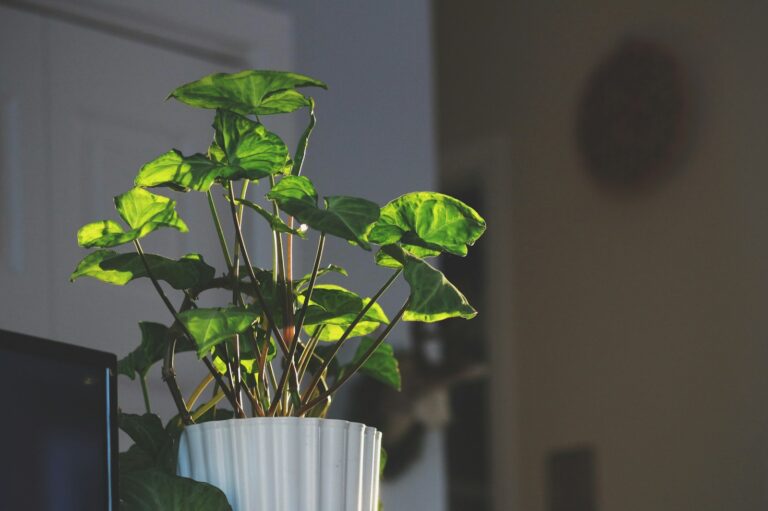
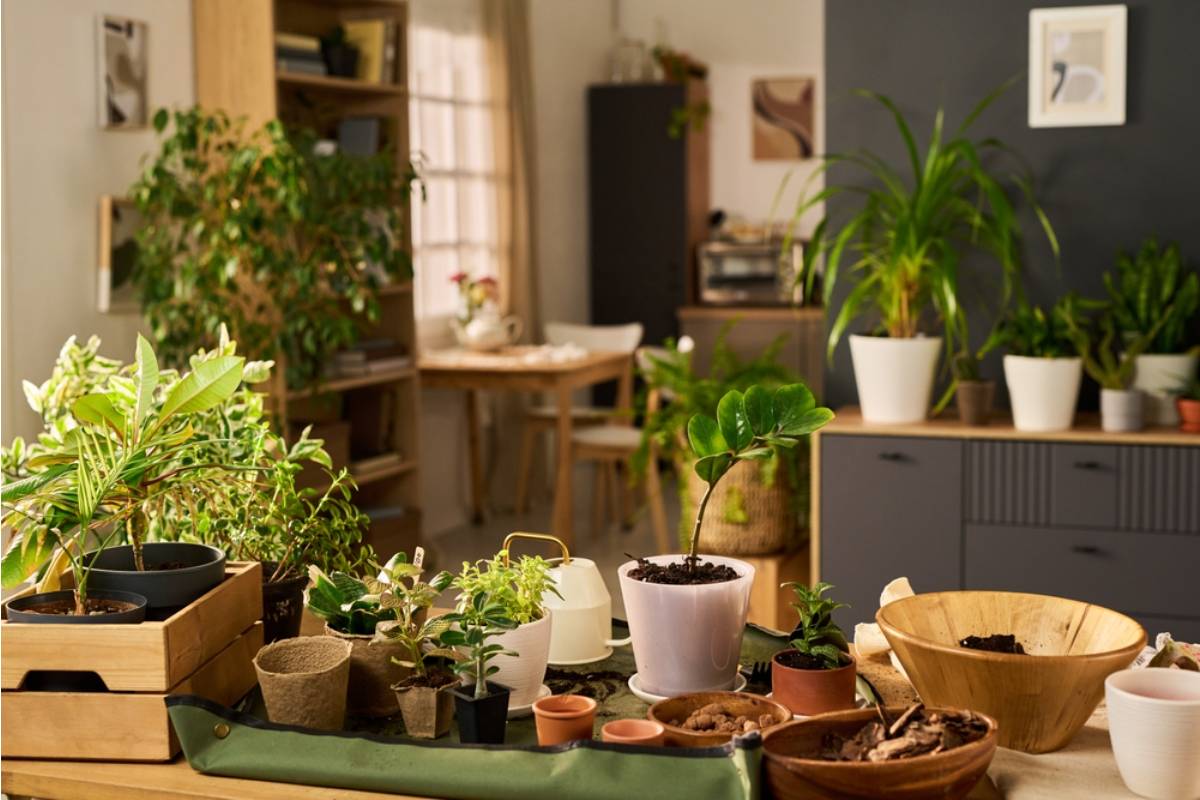
The family had several pots of herbs spread across the south-facing windowsills, making the brightest part of the home look more like a miniature greenhouse. Every new classroom plant had to squeeze into whatever space remained between existing pots. What had once been a practical little gardening corner was beginning to resemble a nursery for suspiciously ambitious houseplants.
The parent joked about what would happen if the school continued sending seedlings home year after year. There was no garden outside where the extras could be planted, and the indoor plants were already competing for space. Eventually, the biggest question was not how to grow them, but where on earth they would all go.
The School Plants Kept Coming
By the time the story was shared, the family had already reached the third or fourth school planting project. That meant the pattern was becoming clear: plant arrives, child gets excited, parent finds somewhere sunny, and the household gains another green resident. At that pace, the family could easily end up with a full botanical collection before the child even started kindergarten.
A response from a person captured the other extreme by joking that plants rarely survived in their home at all. Their routine involved placing a new plant somewhere visible, watering it faithfully for a couple of weeks, and then completely forgetting it existed. Months later, they would discover the dried remains and quietly send the evidence to the kitchen trash.
Some Parents Had Already Surrendered
Another person admitted that keeping plants alive was not exactly their strength, even though their youngest child loved gardening. They joked that the child had become experienced enough to understand that any plant gifted to the family would probably have a short and tragic life. In that household, gardening had apparently become less about cultivating plants and more about accepting their fate.
The contrast was funny because the original family had almost the opposite problem. Their plants were surviving too well, and the parent was starting to wonder whether there should be a household limit. Somewhere between completely forgotten seedlings and a living-room jungle, there had to be a reasonable middle ground.
One Gardener Suggested a Clever Exit
A response from a person offered a surprisingly simple solution: keep growing the plants, then give them away at the end of the year. That would allow the child to enjoy watching each seedling develop without requiring the family to permanently house every plant. There was also the possibility of passing healthy extras along to people who genuinely enjoy gardening.
That idea turned the problem into something much more positive. Instead of seeing each new plant as another object taking up precious windowsill space, the family could treat the seedlings as temporary projects. The child could learn about growth and responsibility while the plants eventually found new homes.
One Parent Had Gone Full Plant Lady
Another response came from a person who proudly admitted to being a serious plant enthusiast. Their solution was to move every school plant into a grow-light setup in the basement, where it could receive proper care long after the child had forgotten about it. Apparently, the parent had decided that abandoning a classroom seedling was simply not an option.
That response introduced an entirely different version of the problem. While some families struggled to keep one plant alive, this household had the equipment and enthusiasm to maintain an entire collection. The child might lose interest, but the parent was already prepared to become the permanent caretaker of every tiny green survivor.
Another Family Planned a Very Cold Goodbye
A different response from a person described a much more mischievous strategy. Their school plants were living outdoors, and the plan was to simply forget to bring them inside when the first frost arrived. After surviving most of the summer with surprisingly little watering, the plants had apparently become tougher than anyone expected.
It was the kind of gardening plan that sounded accidental but was probably not entirely accidental. The parent joked about waiting for winter to solve the problem naturally, giving the little plants one final season of freedom. In gardening terms, it was less a formal farewell and more an invitation for nature to make the decision.
The Hailstorm Made the Decision First
One person said they had been faithfully keeping their child’s school plant alive until a strange summer hailstorm ended the experiment. The weather destroyed the plant before they had to decide whether they could keep accommodating it. Suddenly, the question of where to put the next seedling disappeared for a while.
Even then, the response came with a practical idea that could help other families. Grown plants could simply be given away whenever new classroom projects arrived, creating a rotating garden rather than a permanent collection. That way, the school project could keep going without turning one family home into an indoor conservatory.
The Arbor Day Trees Became Family History
Not every school plant was destined for a short indoor life. A response from a person recalled an Arbor Day tree that had grown beautifully until a snowstorm eventually split it apart. Another person shared an even sweeter story about a great-aunt who still had one of their old Arbor Day trees growing in her backyard after more than two decades.
That tiny detail completely changed the mood of the conversation. A school plant was no longer just something to keep alive until the next assignment arrived. In the right circumstances, a seedling could become a living reminder of childhood that lasted far longer than anyone expected.
One Preschooler Accidentally Created a Jungle
The original family had their own impressive gardening success story developing right inside the house. A parent explained that the child had brought home outdoor annual flowers during two different spring seasons, sometimes at awkward times when frost was still a threat. Because the family already had gardening experience and even owned a grow light for tomato seedlings, they managed to keep the plants going.
The seedlings eventually moved from their temporary indoor setup to pots on the front stoop. By September, cosmos flowers had finally appeared, while marigolds, nasturtiums, another cosmos, and a possible daisy had all grown together from what seemed like an absurd number of seeds packed into one tiny cup. The stoop had become a miniature jungle almost by accident.
The Plants Were Tougher Than Expected
The parent admitted that the cosmos were not exactly easygoing plants. They demanded a lot of water and apparently hated being confined to a pot, making them less than ideal candidates for future gardening adventures. The other flowers, however, seemed much happier and had performed surprisingly well.
The previous year’s zinnias were also remembered fondly, with the parent clearly preferring them over the demanding cosmos. It was a reminder that school gardening projects can teach parents just as much as children. Sometimes the most memorable lesson is discovering which plants you never want to grow again.
Then Came the Mysterious Green Pot
Just when the household thought it had seen every possible version of the school plant problem, another surprise arrived. The child was sent home with an un-germinated seed in a tiny green pot in the middle of summer, leaving the family unsure what plant they were even supposed to be growing. To make matters worse, the family immediately went away on vacation for a week.
The mysterious seed sat on a windowsill for more than a month with only occasional watering. Eventually, the parent transferred the soil into another pot while repotting a houseplant and quietly disposed of the tiny green container. There was never any evidence that the mystery seed had successfully germinated, turning the whole project into a tiny botanical disappearance.
Then the Beans Refused to Give Up
The original parent added one wonderfully blunt update to the conversation. After struggling to keep zinnias alive again and again, the family had apparently discovered a plant that could survive almost anything: beans. Instead of politely fading away after a few weeks of neglect, the beans seemed determined to remain part of the household.
That changed the entire joke surrounding the school projects. Perhaps the family did not need to worry about keeping every plant alive because nature would eventually reveal which ones were truly committed to staying. The windowsill had become less of a plant nursery and more of a survival competition.
Some Parents Chose a Different Rule
Not everyone believed that parents should take over responsibility for a child’s classroom plants. One response from a person simply said that the plant belonged to the child, so caring for it was the child’s responsibility. Another parent extended that philosophy to pets as well, joking that whoever brought something living into the house was automatically responsible for keeping it alive.
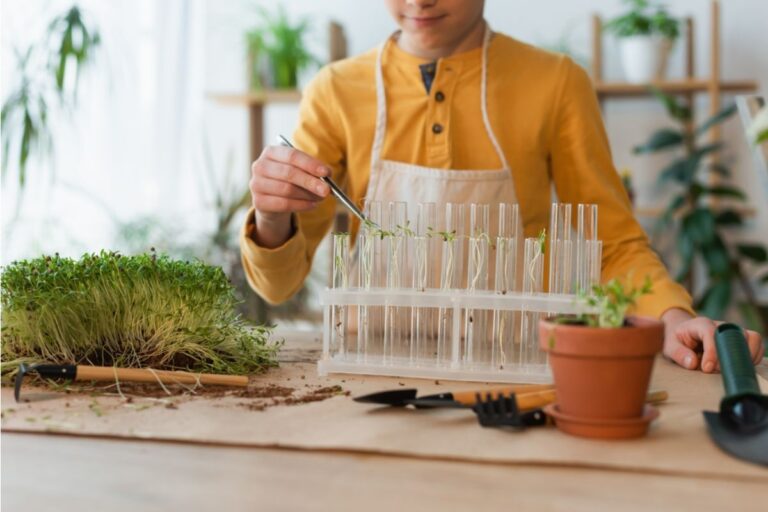
The idea was amusing, but it also raised an interesting parenting question. School gardening projects are supposed to teach children about responsibility, yet very young children obviously need help with watering, light, and basic care. Somewhere between handing a four-year-old a watering can and secretly maintaining an entire basement greenhouse is probably where most families find their own balance.
The Twist Was That Nobody Wanted the Plants Gone
The funniest twist in the story was that the parent seemed to be worried about having too many plants precisely because they had become good at keeping them alive. The school kept sending home seedlings, the child remained excited about them, and the family had no yard to absorb the overflow. What began as a little classroom project had quietly turned into a long-running indoor gardening challenge.
In the end, the plants were not really the problem. The real challenge was deciding when a school project ends and a household plant collection begins. With some families giving seedlings away, others accidentally forgetting them, and a few dedicated gardeners raising them long after the children lose interest, it seems every family eventually develops its own wonderfully strange survival strategy for the school plants that come home.