Some Homeowners Are Growing Vegetables Where Flower Beds Used to Be, And Guests Keep Asking If the Yard Is Still “Finished”
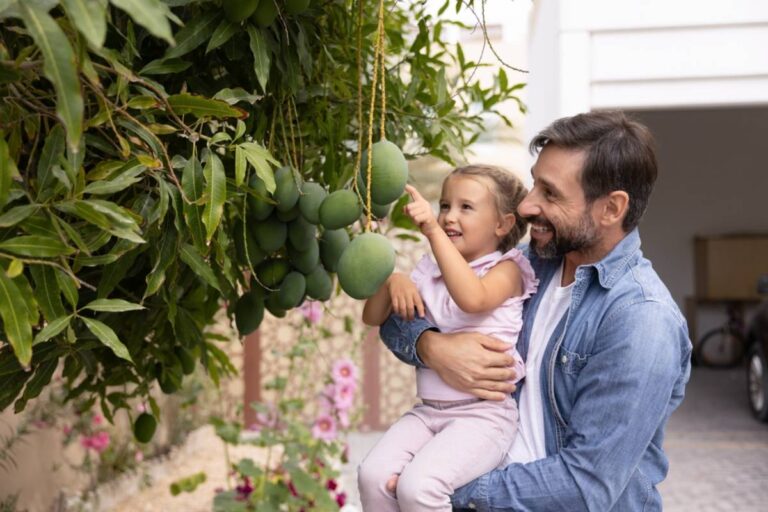
When Marcus and Jenna Collins bought their home in suburban Virginia, the front yard was perfectly manicured with flower beds, trimmed hedges, and decorative stones. It looked exactly like the kind of house people complimented on weekend walks. But after a few years, rising grocery prices and a growing interest in self sufficiency pushed them to rethink how they used their space. Slowly, they replaced ornamental flowers with vegetables. At first it was subtle. Then it became obvious. And eventually, it became the first thing every visitor commented on.
The First Bed Gets Replaced
It started with a single flower bed near the driveway. Jenna decided to remove the seasonal blooms and plant lettuce instead. Marcus thought it might look out of place, but the greens grew quickly and neatly. The transformation actually looked intentional. Neighbors walking by paused more often than before. Some asked if it was a temporary experiment.
Early Compliments Turn Into Confusion
At first, visitors still called the yard beautiful. But their tone carried hesitation. One friend asked if they were “still planning to finish the landscaping.” Jenna laughed it off, saying the garden was finished in a different way now. Not everyone understood what she meant. That was the first sign of a growing divide in perception.
The Tomato Rows Appear
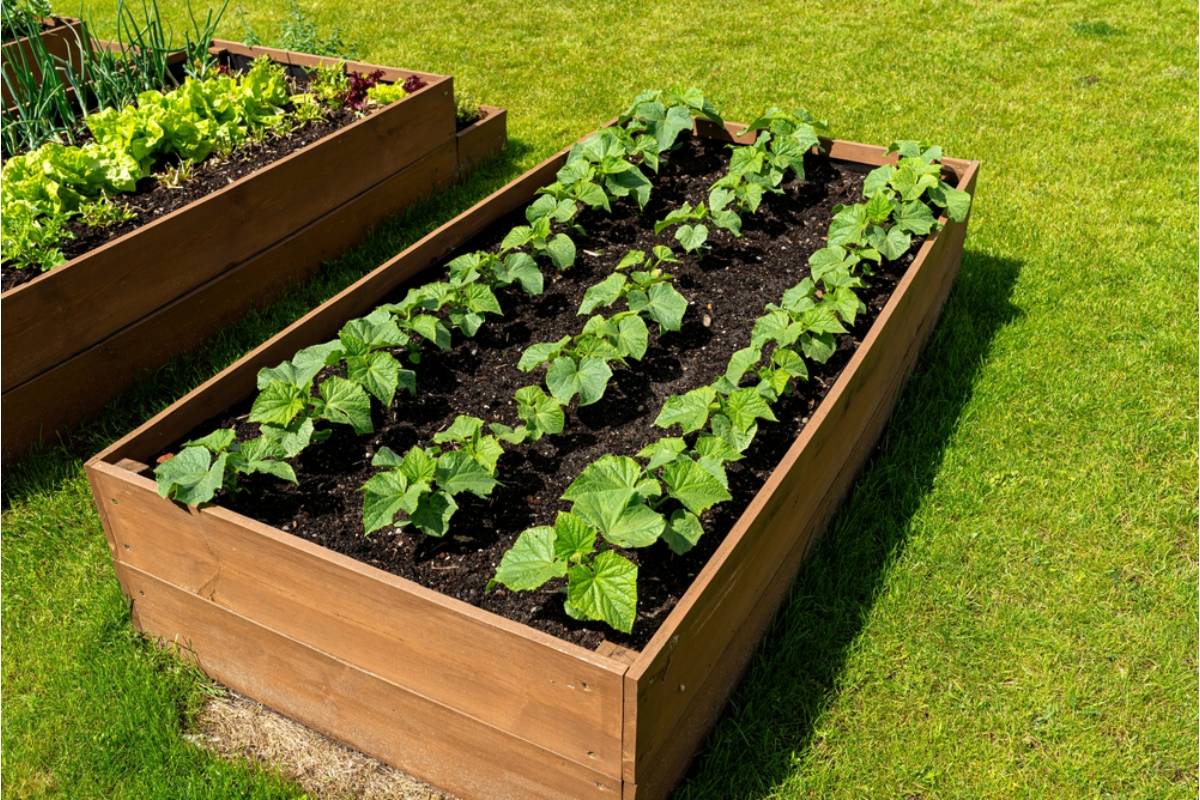
By summer, more flower beds were converted. Tomato plants replaced roses, and peppers filled the corners where hydrangeas once bloomed. The yard became more productive but less traditional. Delivery drivers started commenting on it during drop offs. Some loved it, others looked confused. Marcus noticed the shift in reactions immediately.
The First Direct Question
A neighbor visiting for dinner finally asked if the yard was “still a work in progress.” Jenna paused before answering. She explained that it was intentional, not unfinished. The neighbor nodded politely but still looked uncertain. That moment made Jenna realize people were measuring the yard against old expectations.
Guests Start Comparing It to Farms
As more vegetables grew, comparisons became more frequent. Some guests jokingly called it a “mini farm.” Others asked if they missed having flowers. Marcus began noticing that people rarely complimented the garden without qualifying it. It was always beautiful, but followed by a question.
A Family Visit Creates Tension
During a family gathering, Jenna’s sister walked through the yard and frowned slightly. She asked why they had removed “all the pretty parts.” Jenna explained the practicality of growing food. The response was a polite smile, but the judgment lingered. Later that evening, Marcus admitted he felt like they had to justify their choices more than expected.
The Yard Becomes a Talking Point
Neighbors who once discussed landscaping trends now discussed vegetable yields. People asked how much they harvested instead of how it looked. The conversation shifted from aesthetics to utility. Marcus found it interesting, but Jenna felt slightly defensive. It was no longer just a yard. It was a statement people interpreted differently.
The “Finished Yard” Question Repeats
One question kept coming back from different visitors. Was the yard finished or still being worked on. Jenna grew tired of answering. To her, it was already complete. To others, it still looked transitional. That difference in perception started to bother her more than she expected.
A New Neighbor Adds Pressure
A new family moved in across the street with a classic decorative lawn. Within days, the contrast became a topic in casual conversations. Some neighbors mentioned how “different” the Collins yard looked now. Jenna overheard one comment describing it as “unfinished on purpose.” She did not know how to respond.
A Simple Path Changes Reactions
Marcus added a small stone path between the vegetable beds to make the layout more structured. Surprisingly, reactions improved. Visitors started saying it looked more “intentional” and “designed.” Jenna realized perception changed with framing, not function. That frustrated her more than she admitted.
A Child’s Honest Observation
A neighbor’s child asked Jenna if the yard used to have flowers or if it had always been like this. Jenna explained it used to be decorative. The child responded simply that it looked like it was “for real use now.” The comment stuck with her for days. It felt more honest than any adult reaction.
A Backyard Conversation About Identity
Marcus and Jenna sat in the yard one evening after harvesting vegetables. Marcus said the space felt more alive than before. Jenna admitted it did, but said she missed how people used to just admire it without analyzing it. They both realized the yard had become something people interpreted rather than simply saw.
The Shift Becomes Permanent
Over time, fewer people asked if the yard was finished. Instead, they asked what was growing next. The uncertainty faded as familiarity set in. Even skeptical neighbors stopped commenting. The new normal slowly replaced the old expectations.
A Visitor Finally Understands
A longtime friend visited and said the yard finally made sense after seeing it multiple times. She explained that it no longer felt unfinished, just different from what people were used to. Jenna appreciated that more than she expected. It was the first time someone framed it without comparison.
What the Yard Means Now
Marcus still maintains the vegetable beds with care, and Jenna has grown more comfortable with the questions. The yard no longer tries to be what it used to be. It has its own identity now, even if not everyone agrees on what that is. And for the Collins family, that was the point all along.