A Renter Installed a Rope to Stop His Neighbor From Wandering Into His Backyard, Then Came Home to Find the Rope on His Steps With a Warning About His Garden Fence
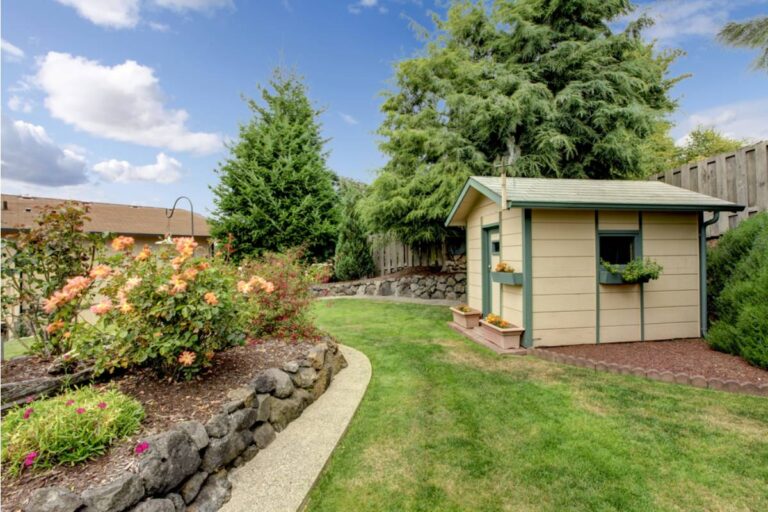
When he moved into his townhouse, he assumed his backyard belonged to him in the only way that mattered for daily life. The property manager had confirmed that every townhouse had its own front and back lawn, and the city lot lines separated the yards clearly. His neighbor, however, seemed to have developed a completely different interpretation.
The neighbor regularly treated the backyard and driveway as though they were extensions of his own property. Children wandered between the yards, people crossed through without asking, and personal belongings were casually moved whenever they became inconvenient. At first, the homeowner tried to tolerate the strange arrangement, but eventually he decided the garden needed a boundary.
The Fence Plan Begins
He decided to install a permanent fence between the two properties. Because he was handling the project mostly on his own, the installation could not happen immediately, so he needed something temporary. A simple rope seemed like the easiest way to make the property line visible until the real fence could be installed.
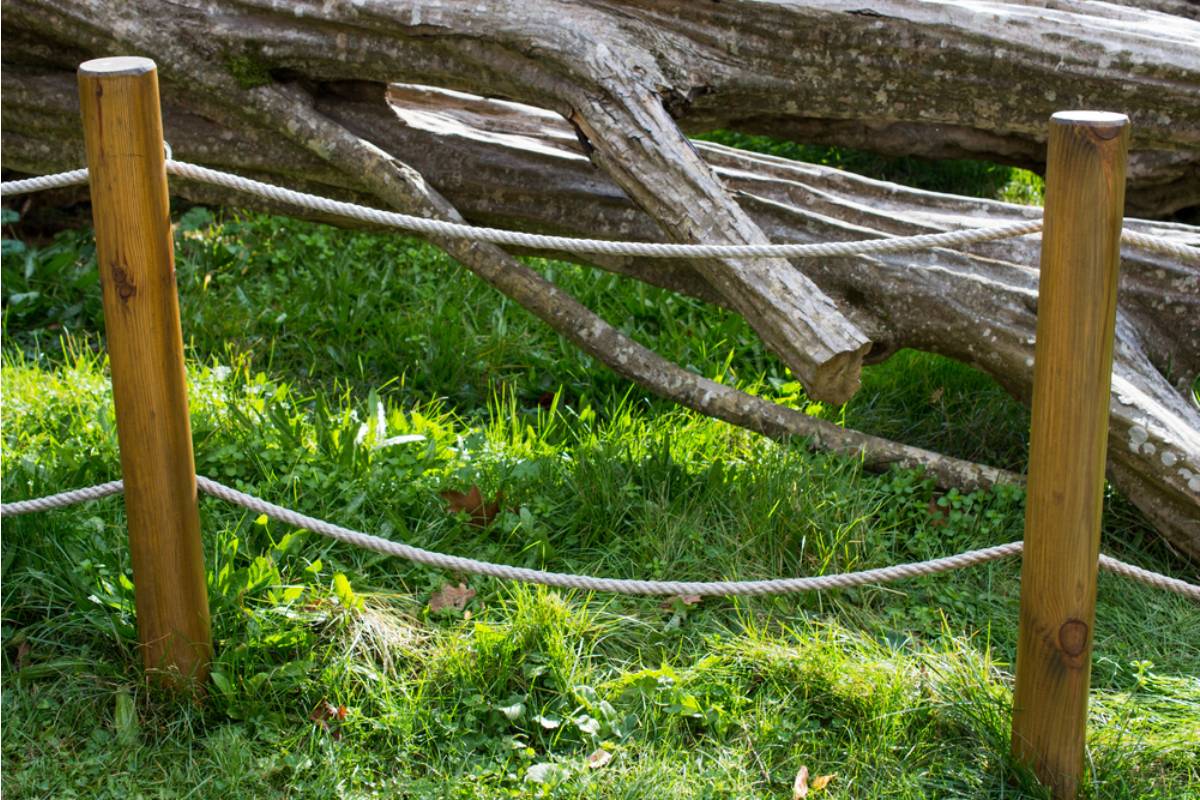
He stretched the rope across the area where the fence would eventually stand. It was not attractive, impressive, or especially difficult to understand. It was simply a visual message that said the lawn on one side belonged to one household and the lawn on the other belonged to another.
The Rope Mysteriously Disappears
The first time the rope was cut, he assumed it might have been an accident. Perhaps someone had tripped over it or a lawn worker had moved it without realizing why it was there. Then it happened again, and the explanation became much less innocent.
The neighbor was apparently cutting the rope because he did not like the division. Each repair only created another opportunity for the same problem to happen again. The homeowner began to realize that his temporary boundary was not merely being ignored; it was being actively removed.
Then the Canoe Becomes a Fence
Still determined to create some kind of separation, he placed his canoe strategically in the backyard. It was large enough to discourage people from casually crossing through, and unlike the rope, it was not something that could be sliced in half. He thought he had finally found a harmless temporary solution.
Then he discovered that the canoe had been moved while he was at work. The neighbor had simply entered the backyard and repositioned the homeowner’s property to make the passage easier. At that point, the problem was no longer just about where children played.
A Note Appears on the Steps
One afternoon, he returned home and found the rope sitting on his front steps. Beside it was a note from the neighbor complaining that the rope and canoe were interfering with lawn maintenance. The message also objected to the fact that children could no longer move freely between the yards.
The homeowner stared at the note and found the reasoning almost impressive in its confidence. The neighbor was upset because a boundary on someone else’s property was preventing unrestricted access. What the neighbor apparently did not appreciate was that the whole point of the rope was to prevent exactly that.
The Lawn-Cutting Argument Falls Apart
The neighbor’s main complaint was that the boundary made it difficult for lawn cutters to reach his grass. The homeowner decided to test that claim instead of arguing about it. He spoke directly with the lawn maintenance crew and asked whether a future fence or temporary rope would actually prevent them from accessing the neighboring lawn.
Their answer was surprisingly simple. The crew could easily reach the neighbor’s yard from another direction, meaning the rope was not truly preventing the lawn from being maintained. The homeowner now had something better than an argument: he had confirmation from the people supposedly being inconvenienced.
The Four-Foot Gap Changes Everything
There was another detail working in his favor. The fence would have to include a maintenance gap, leaving enough space for the lawn equipment to operate. That meant even the permanent solution would not completely block access to the neighbor’s property.
He began wondering whether the complaint had ever really been about lawn maintenance. The more facts he gathered, the more it looked like the actual objection was simply the loss of an easy path between the yards. The garden boundary was finally doing exactly what it had been designed to do.
The Property Manager Gives Him Permission
Because he did not want to create a dispute over something he was not allowed to change, he contacted the rental company. The response was clear: he had permission to install the fence on his lot. The property manager even told him to put the rope back up while the permanent installation was being arranged.
That answer gave him a strange sense of relief. He was not secretly building a forbidden structure or inventing a property line. The company managing the townhouses knew about the project and supported the temporary boundary while he organized the installation.
A Response From a Person Suggests Cameras
A response from a person suggested that he stop confronting the neighbor directly and start documenting everything. Photos of the damaged rope, notes left behind, moved belongings, and dates of trespassing would create a much clearer record than a series of angry conversations.
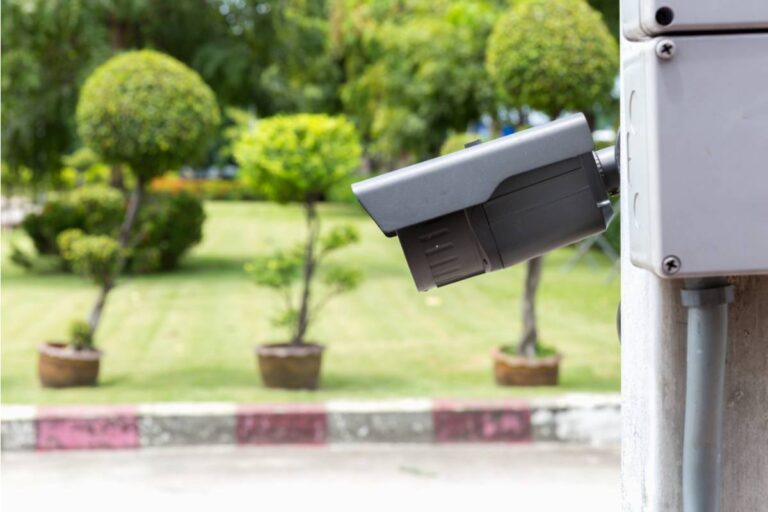
The idea appealed to him because arguments had already accomplished very little. A camera could quietly record what was happening without requiring him to stand outside watching the property. Suddenly, the garden conflict started looking less like a neighborhood feud and more like a problem that could be handled with evidence.
The Garden Has Another Complication
There was one more reason he wanted the fence installed. The neighbor had decided to grow marijuana plants directly along the property line near the homeowner’s back deck. The plants were on the neighbor’s side, but their location meant they were highly visible from the family living space.
The homeowner did not want his children constantly looking at plants he considered inappropriate for that location. The fence would create a clear visual barrier and restore some privacy to the backyard. Now the project was about more than keeping people from wandering through the lawn.
Why He Was Paying for a Fence He Didn’t Own
Several people questioned why he would spend his own money installing a fence on a rental property. The criticism was reasonable because the fence would ultimately remain with the property rather than become something he could take with him. From a purely financial perspective, it could look like an unnecessary investment.
But he had found used fence panels for a very low price and had arranged for a crew to install them affordably. He knew he was spending money on a place he did not own, yet he also knew that watching strangers wander across his backyard every day had its own cost. Sometimes peace and privacy are worth more than the perfect financial calculation.
The Neighbor’s Biggest Complaint Is Revealed
As the homeowner read the note again, one part began to stand out. The neighbor was not merely upset about the rope; he was upset that the children could no longer roam freely between the properties. That suggested the existing arrangement had become an expectation rather than an accident.
The homeowner had never agreed to supervise other people’s children or provide a shared play area. His backyard was part of his rented home, and he wanted to use it without strangers crossing through. What the neighbor described as freedom, the homeowner saw as an invasion of his private space.
The Canada Detail Creates a New Question
Because the townhouse was in Canada, the homeowner initially expected questions about local rules concerning the neighbor’s plants. He even contacted the city’s bylaw department after wondering whether the marijuana plants created a separate issue. The response was disappointing: nothing obvious prevented the neighbor from growing them under the circumstances.
That left him with a much simpler conclusion. He might not be able to control what the neighbor planted, but he could still control whether people casually crossed into his own yard. The fence therefore became the cleanest practical solution to a problem that had become increasingly complicated.
Fear of Retaliation Sets In
Despite having permission, he remained nervous about installing the fence. The neighbor had already cut the rope, moved the canoe, and entered the yard without permission. A permanent fence could be interpreted as a much stronger rejection of the neighbor’s behavior.
He worried that the neighbor might retaliate through excessive noise, property damage, or other petty behavior. The homeowner knew that a fence could stop people from walking through the yard, but it could not magically make a difficult neighbor become reasonable. The final stage of the project therefore felt almost as stressful as the beginning.
The Paper Trail Gets Bigger
The property management company asked him to provide photographs and copies of the note, along with evidence of the repeated trespassing. Fortunately, he had plenty of documentation. Every damaged rope, moved canoe, and unauthorized entry now formed part of a growing record.
That changed the balance of the situation. Instead of one neighbor accusing another of being difficult, there was now a clear history of events. The homeowner no longer needed to convince anyone that the problem existed because the evidence could speak for itself.
The Fence Finally Goes Up
When the fence crew finally arrived, the homeowner watched the installation carefully. The used panels were not glamorous, but they were solid, affordable, and exactly where the rental company had approved them to go. For the first time, the property line became something physical rather than something he constantly had to explain.
The finished fence immediately changed the atmosphere of the backyard. There was no rope to cut, no canoe to move, and no ambiguous line for someone to pretend they had misunderstood. The garden finally had a boundary that could not be dismissed as temporary.
The Neighbor Has to Find a New Route
The next lawn-cutting day was the real test. The maintenance crew simply used the access route they had already described, proving that the fence had not created the disaster the neighbor predicted. The neighbor’s lawn was cut, the equipment moved through normally, and the world somehow continued turning.
The homeowner almost laughed when he saw it. The great lawn-access argument had collapsed without a fight. The fence had solved a practical problem that the neighbor had insisted could never be solved.
The Final Twist
A few days later, the homeowner noticed something unexpected from inside his living room. For the first time, he could watch television without seeing people casually wandering through his backyard. The fence had not changed the neighbor’s personality, but it had changed how much of that personality the family had to experience every day.
He realized the fence had never really been about keeping grass separate from grass. It was about turning an invisible boundary into a visible one that everyone could understand. The strangest part was that after months of ropes, notes, moved canoes, arguments, and worry, the solution was remarkably ordinary: a simple fence finally convinced everyone that the backyard was not a public garden.