Gardener Says She’s Been Letting a Neighbor Store Firewood Against Her Garden Fence All Winter as a Favor, Now the Rotting Wood Has Attracted Termites Into Her Raised Beds
When my next door neighbor asked if he could temporarily stack a few piles of firewood along the outside of my garden fence for the winter, it sounded like such a small favor that I never gave it much thought.
His garage was packed with remodeling supplies, and he promised the wood would only stay there until spring. We had always gotten along, borrowing tools and watching each other’s houses during vacations.
I figured helping him out was simply what good neighbors did. I never imagined that a stack of logs I did not even own would become the source of one of the biggest headaches I had ever faced in my backyard.
An Easy Favor That Seemed Harmless
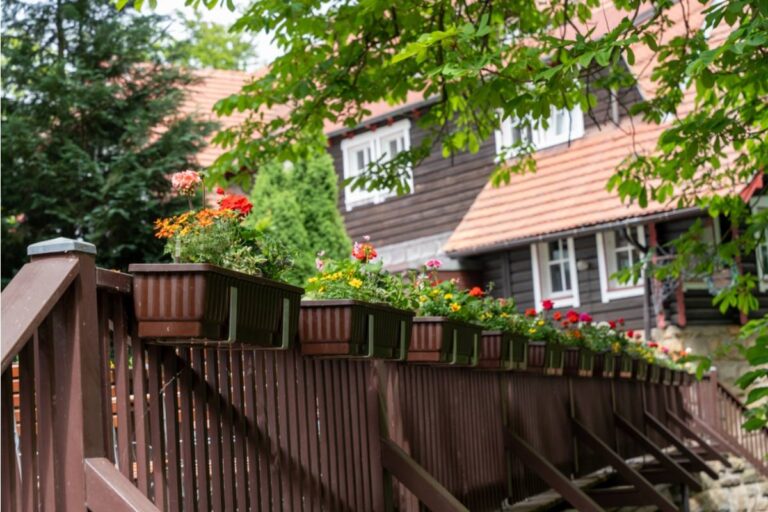
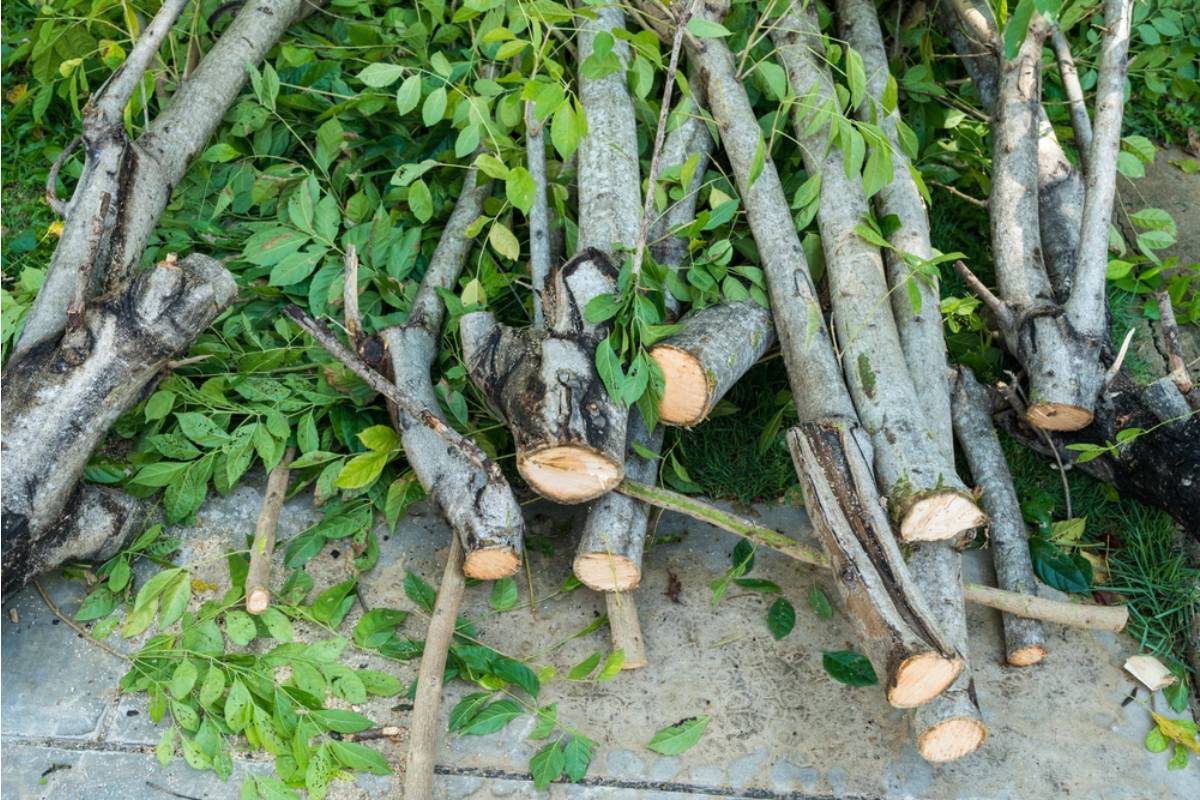
The first weekend he brought over the firewood, he carefully stacked it against the outside of my cedar garden fence. The pile stretched almost the entire length of the vegetable beds, but it stayed on his side of the property line.
He thanked me several times and promised to move everything as soon as the warmer months arrived. I smiled and told him there was no rush because I was not using that part of the yard during winter anyway.
Small Changes Around the Garden
As spring approached, I began preparing my raised beds for another growing season. While pulling weeds near the fence, I noticed that several fence boards looked darker than usual.
At first, I assumed they were simply damp from months of sitting behind the stacked firewood. I made a mental note to stain the fence later in the year and continued planting lettuce and tomatoes.
The Woodpile Never Left
Weeks passed, but the firewood remained exactly where it had been all winter.
When I casually mentioned it to my neighbor, he apologized and explained that work had become busy. He promised he would move the logs during the next free weekend.
I believed him because he had always kept his word before.
An Unpleasant Surprise Under the Mulch
One morning I lifted a section of mulch inside one of my raised beds to loosen the soil.
Tiny pale insects scattered in every direction.
I had seen ants plenty of times while gardening, but these insects looked different. They moved together in clusters and disappeared into narrow tunnels beneath the soil. Something immediately felt wrong.
A Fence Board Falls Apart
Later that afternoon I leaned against one section of the fence while pulling a stubborn weed.
Instead of supporting my weight, the board cracked apart in my hand.
The inside looked hollow. Thin winding tunnels covered the wood where it had been eaten from within. My stomach dropped because I finally understood what those strange insects probably were.
Calling a Pest Inspector
Rather than guessing, I contacted a local pest inspection company.
The inspector spent nearly an hour examining the fence, the raised beds, and the stacked firewood outside the property line. He quietly scraped away damaged wood before looking back at me.
“I’m finding active termites,” he said. “The decaying firewood created an environment they really like.”
Hearing those words made my heart sink.
Breaking the News Next Door
That evening I walked over to my neighbor’s house carrying several photographs.
“I think we have a serious problem,” I said.
He looked confused until I showed him the damaged fence boards and the inspector’s report. His expression changed immediately from surprise to concern.
“I had no idea,” he admitted. “I should have moved that pile months ago.”
The Firewood Comes Down
The next morning he rented a trailer and began hauling every piece of firewood away.
As the stacks disappeared, we discovered just how much moisture had been trapped behind them. Several fence boards had softened, and patches of mold covered areas that had never received proper airflow.
The cleanup became much larger than either of us expected.
Trouble Reaches the Raised Beds
I hoped removing the wood would solve everything.
Unfortunately, another inspection revealed termite activity inside two raised garden beds built from untreated lumber. The insects had already started feeding on the wood that framed the vegetable plots.
Fortunately, they had not damaged my house, but the garden itself needed immediate attention.
Digging Into the Damage
Over the next several days I dismantled both raised beds.
Each board I removed revealed more hidden tunnels. Some sections looked perfectly healthy from the outside but crumbled apart with barely any pressure.
The hardest part was losing the vegetables I had already planted. Weeks of careful preparation disappeared in a single weekend.
An Unexpected Offer
Before I could ask for help, my neighbor knocked on my front door.
“I know this started with my firewood,” he said. “Please let me make it right.”
He insisted on helping remove damaged lumber, replacing fence boards, and rebuilding the garden beds. I appreciated that he accepted responsibility instead of making excuses.
Rebuilding the Garden Together
The following weekends became unexpected neighborhood projects.
My neighbor, his teenage son, and even another family from down the street showed up carrying tools. Together we rebuilt the raised beds using materials better suited for long term outdoor use.
While we worked, everyone talked about how easily small favors can create problems when they last much longer than originally planned.
The Inspector Returns
Several weeks after treatment, the pest inspector came back for another evaluation.
He carefully checked the repaired fence, examined the new raised beds, and searched for fresh termite activity.
Finally, he smiled.
“Everything looks clean,” he said. Just remember to keep firewood well away from fences and garden structures in the future.
Those words brought an enormous sense of relief.
A Different Kind of Conversation
One evening my neighbor stopped by while I was watering newly planted peppers.
“I still feel bad about all this,” he admitted.
I told him I never blamed him for accepting my offer of space. The real mistake was allowing a temporary arrangement to become permanent without either of us checking on the condition of the wood or the fence.
That conversation cleared away the last bit of tension between us.
A Lesson Hidden in a Simple Favor
The garden eventually recovered. New vegetables filled the raised beds, climbing beans covered fresh trellises, and the repaired fence looked stronger than before. Visitors would never guess the amount of work it had taken to restore everything.
Now, whenever another neighbor asks to store something near my garden, I still try to be helpful. The difference is that we agree on exactly how long it will stay, and we check the area regularly instead of assuming everything is fine.
Looking back, I realized the biggest problem was never the firewood itself. It was how easily a temporary favor quietly turned into months of neglect before anyone noticed the damage growing out of sight.