A Toddler Brought Home a Caterpillar From the Farmers Market and Turned It Into a Beloved Garden Pet, Until His Aunt Refused to Sleep Under the Same Roof
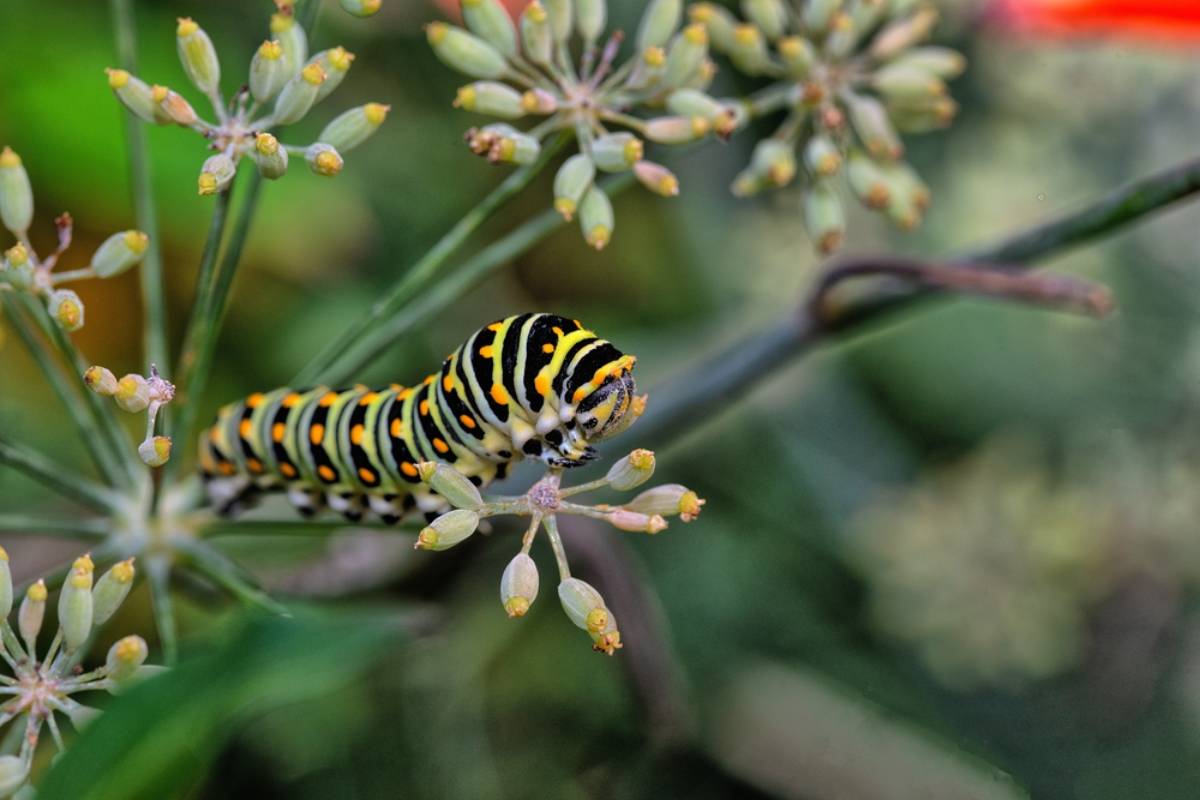
A person shared his story about an unusual new addition to the family, one that was small enough to fit in a bowl but somehow managed to cause a surprisingly big argument. It all began when a toddler spotted a caterpillar at a farmers market and decided the little creature deserved a chance at life as a pet. Instead of letting it become food for the family’s chickens, the child wanted to keep it and watch what happened next. What seemed like a sweet childhood adventure soon became a source of tension inside the household.
The family already had plenty happening at home, including a toddler and two teenage nieces who lived with the couple during the school week. Their mother, the homeowner’s sister, regularly visited and sometimes stayed overnight to spend time with her daughters. The caterpillar was hardly a traditional household pet, but the toddler adored it, and the adults decided to let the arrangement continue. Nobody expected the tiny guest to become the center of a family disagreement.
The Caterpillar Was Living in a Bowl in the Living Room
Unlike a dog that might bark through the night or a cat that might knock over flowerpots, this new pet was remarkably quiet. It stayed in a bowl in the living room, where the toddler could observe it without needing to venture into the garden. The sister usually spent her time in the dining room or her daughters’ bedroom, meaning she did not have to spend much time near the creature. From the homeowner’s perspective, the setup seemed manageable.
Still, the caterpillar was not an ordinary decoration that could simply be forgotten when guests arrived. It was a living creature that needed food and care, and the child had already become attached to it. For a gardening enthusiast, watching a caterpillar grow can be a fascinating introduction to the natural world. For someone who is frightened of caterpillars, however, even a small bowl containing one can feel like an unwelcome surprise.
The Sister’s Fear of Caterpillars Was No Secret
The homeowner explained that her sister had a genuine fear of caterpillars, something that affected even ordinary gardening activities. When picking vegetables or preparing produce that might contain caterpillars, the sister would wear disposable gloves to avoid touching them. She did not want to handle the insects, although she could technically tolerate living in a world where they existed. Unfortunately, knowing about this fear did not always make family interactions easier.
The homeowner also admitted that she sometimes sent her sister pictures of caterpillars just to tease her. What might have seemed like harmless sibling mischief to one person could feel considerably less funny to someone with a strong phobia. The situation therefore involved more than a disagreement about keeping a bug indoors. It also raised the question of whether the homeowner was being considerate or deliberately pushing her sister’s buttons.
Then the Sister Discovered the Unexpected Houseguest
When the sister learned that a caterpillar was being kept as a pet, she did not simply express discomfort and move on. She asked the household to get rid of it, making it clear that its presence was affecting her willingness to stay overnight. The request put the homeowner in an awkward position because the caterpillar had become something the toddler genuinely enjoyed. What had started as a child’s innocent fascination suddenly involved competing feelings and expectations.
The sister’s reaction may have seemed dramatic to someone who was comfortable around garden insects. Yet phobias do not always respond to logic, and a person can experience genuine distress over something that appears harmless to others. At the same time, the homeowner was not keeping a large animal that demanded space or constant attention. The family now had to decide whether accommodating one person’s fear meant removing a pet that had already become special to another.
The Toddler Had Already Fallen in Love With the Little Creature
For the toddler, the caterpillar was not an inconvenience or a source of family tension. It was a fascinating little animal that offered a chance to observe nature up close, something children can remember long after their earliest garden adventures. The child had discovered the insect at the farmers market and wanted to care for it rather than see it fed to the chickens. That small decision had turned an ordinary shopping trip into a memorable experience.
Parents and caregivers often find themselves negotiating the emotional importance children attach to seemingly insignificant things. A pebble, a fallen leaf, or an insect can become a treasured discovery when a child sees it as something extraordinary. In this case, the caterpillar had captured the toddler’s imagination, and removing it would have disappointed the child. The homeowner therefore had a reason to hesitate before agreeing to her sister’s demand.
The Family Was Already Helping the Sister’s Children
There was another important detail behind the disagreement: the homeowner and her husband were providing a home for the sister’s two teenage daughters during the school week. The arrangement allowed the girls to attend their neighborhood school, while their mother visited and sometimes stayed overnight. The homeowner’s household was therefore doing more than offering occasional hospitality. It was providing a regular living arrangement that helped the teenagers maintain their schooling routine.
That context influenced how the homeowner viewed the request to remove the caterpillar. She was responsible for her own toddler and the household she shared with her husband, while also making room for her nieces. From her perspective, keeping a small pet in her own living room did not seem like an unreasonable decision. However, the family arrangement also meant that everyone’s comfort and relationships mattered, making a simple yes-or-no answer difficult.
The Sister’s Reaction Raised Questions About Her Own Parenting
The disagreement became more complicated because the sister had a daughter who was afraid of spiders. According to the homeowner, the sister did not show much understanding toward that fear and would tell her daughter to simply get over it. The homeowner saw an uncomfortable contradiction between dismissing her child’s fear and expecting everyone else to accommodate her own. That apparent double standard became part of the reason the caterpillar dispute felt personal.
From the homeowner’s point of view, the situation offered an opportunity to highlight how differently people treat fears depending on whether they experience them themselves. Something that seems silly to one person can feel overwhelming to another, whether the object is a spider or a caterpillar. Still, pointing out hypocrisy does not necessarily make teasing helpful or kind. The family was now dealing with both the practical question of the pet and the emotional consequences of how they treated one another.
Garden Insects Are Not Always the Villains People Imagine
For anyone who enjoys gardening, caterpillars can inspire a mixture of fascination and frustration. Some eventually become butterflies or moths, while others feed on plants and can damage valuable crops. Their appearance alone does not tell the whole story, which is why identifying an insect before deciding what to do with it can be useful. The family’s unexpected pet would soon prove that not every caterpillar is a welcome garden visitor.
The toddler’s discovery had happened at a farmers market, where produce often comes with reminders that insects are part of agricultural life. Rather than treating every tiny creature as something frightening, children can learn to observe insects and understand their place in nature. However, responsible insect care also means considering what a particular species eats and whether keeping it in a container is appropriate. A garden lesson can be rewarding, provided the animal’s needs are taken seriously.
The Caterpillar Was Not the Beneficial Visitor Everyone Assumed
One surprising detail emerged when the homeowner clarified exactly what kind of caterpillar the family had found. It was a corn earworm, an agricultural pest that feeds on crops rather than a helpful pollinator waiting to emerge as a beautiful butterfly. The caterpillar was thriving on corn purchased from the farmers market, and the homeowner explained that the family would otherwise have been comfortable feeding it to their chickens. This information changed the discussion from a simple story about rescuing a future butterfly into something more complicated.
The distinction matters because people often assume that every caterpillar deserves the same treatment in a garden. Some species are important parts of local ecosystems, while others can cause significant problems for growers. The family’s decision to keep this particular insect was therefore not quite the conservation story some observers initially imagined. Even so, the creature was alive, the toddler was attached to it, and the household still had to decide how to handle the disagreement.
Responses From Other People Were Divided
A response from a person supported keeping the caterpillar but suggested moving it into the toddler’s bedroom rather than leaving it in a shared living space. That suggestion offered a practical compromise: the child could continue observing the insect while the sister would be less likely to encounter it unexpectedly. Other people felt the homeowner was entitled to decide what pets could live in her own home. They also questioned why an adult’s fear should automatically determine what everyone else was allowed to keep.
Not everyone agreed with the homeowner’s approach, however. Some responses focused on the habit of sending caterpillar pictures to someone known to be frightened of them, arguing that the teasing was unnecessary. Others questioned whether keeping a wild insect in a bowl was the best way to care for it. The disagreement showed that people could support the homeowner’s right to keep a pet while still criticizing certain parts of her behavior.
Some People Thought the Sister Deserved More Understanding
Another perspective was that a phobia can be genuinely distressing even when the feared creature poses little or no danger. From that standpoint, mocking the sister or deliberately sending her pictures of caterpillars was not a particularly constructive way to address the problem. A person does not necessarily choose to feel frightened, and dismissing that reaction can make a family conflict worse. The sister’s fear deserved consideration even if others did not share it.
That did not automatically mean the caterpillar had to disappear, though. The homeowner could recognize her sister’s discomfort without treating the fear as a veto over everything that happened inside her own home. Moving the bowl away from shared areas might have reduced the tension without forcing the toddler to give up the pet immediately. In family disputes, a compromise can sometimes work better than deciding that one person’s feelings must matter more than everyone else’s.
The Question of Where the Caterpillar Belonged Became Another Debate
Some responses shifted attention away from the family disagreement and toward the insect itself. They argued that a caterpillar should not be kept in a bowl simply because a child finds it interesting, especially if its food and environmental needs are not understood. Different caterpillar species rely on different host plants, and the wrong food can prevent them from developing properly. From this perspective, the most important question was not who had won the argument but whether the creature was being cared for appropriately.
The homeowner pushed back against suggestions that the insect should simply be returned to the wild. Because it was a corn earworm found among market produce, she did not want to release it onto crops where it could become a problem for farmers. That detail added an unusual twist to the discussion because the usual advice to release a caterpillar was not necessarily suitable here. It also showed why identifying an insect matters before deciding how to handle it.
The Homeowner Considered Moving the Pet Out of Sight
As the discussion continued, the homeowner considered relocating the caterpillar to the toddler’s bedroom or an upstairs area. Such a change would have kept the insect away from the spaces where her sister usually spent time. It would also have allowed the toddler to continue observing the pet rather than losing it immediately. The proposed adjustment suggested that there might be a middle ground between keeping the caterpillar in the living room and getting rid of it entirely.
For the family, this option could reduce the number of confrontations without requiring anyone to pretend their feelings did not matter. The sister would not have to encounter the caterpillar during ordinary visits, and the toddler could retain the little creature for the time being. Of course, moving it would not resolve the deeper disagreement about teasing and double standards. It would simply address the most immediate practical problem while leaving the family to work through the rest.
The Tiny Pet Exposed a Much Bigger Family Problem
What began as a toddler’s fascination with a caterpillar eventually revealed tensions about respect, boundaries, and how people respond to one another’s fears. The homeowner believed her sister was being inconsistent by dismissing her daughter’s fear of spiders while asking others to accommodate her own fear of caterpillars. Yet the homeowner’s habit of deliberately sending caterpillar pictures also complicated her argument. Both sisters had reasons to feel frustrated, and neither side’s position was entirely free of criticism.
The story also highlighted the challenge of balancing a child’s curiosity with the needs of other people in a shared household. Keeping a small insect may seem insignificant, but the way a family handles such a disagreement can reveal a great deal about its relationships. The proposed move to another room offered a possible practical solution, while the caterpillar’s identity raised separate questions about responsible care. In the end, the smallest resident in the house had managed to spark one surprisingly large conversation about empathy.
A Garden Discovery Became a Lesson in Boundaries and Nature
The toddler’s caterpillar was never going to be an ordinary family pet, but its arrival created an opportunity to discuss insects, gardening, and the natural world. It also reminded the adults that people can have very different reactions to the same creature. For gardeners, learning to identify caterpillars can help distinguish species that deserve protection from those that threaten crops. For families, the experience can be a reminder that curiosity and compassion work best when paired with responsibility.
The homeowner’s story did not have a perfect solution that would satisfy everyone immediately. Keeping the caterpillar away from shared spaces could help with the sister’s discomfort, while ending the teasing could make future visits less tense. Properly considering the insect’s needs was equally important, especially after its identity as a corn earworm became clear. What started with a toddler spotting a tiny creature at a farmers market ultimately became a lesson in how even the smallest garden visitors can bring out surprisingly big feelings.