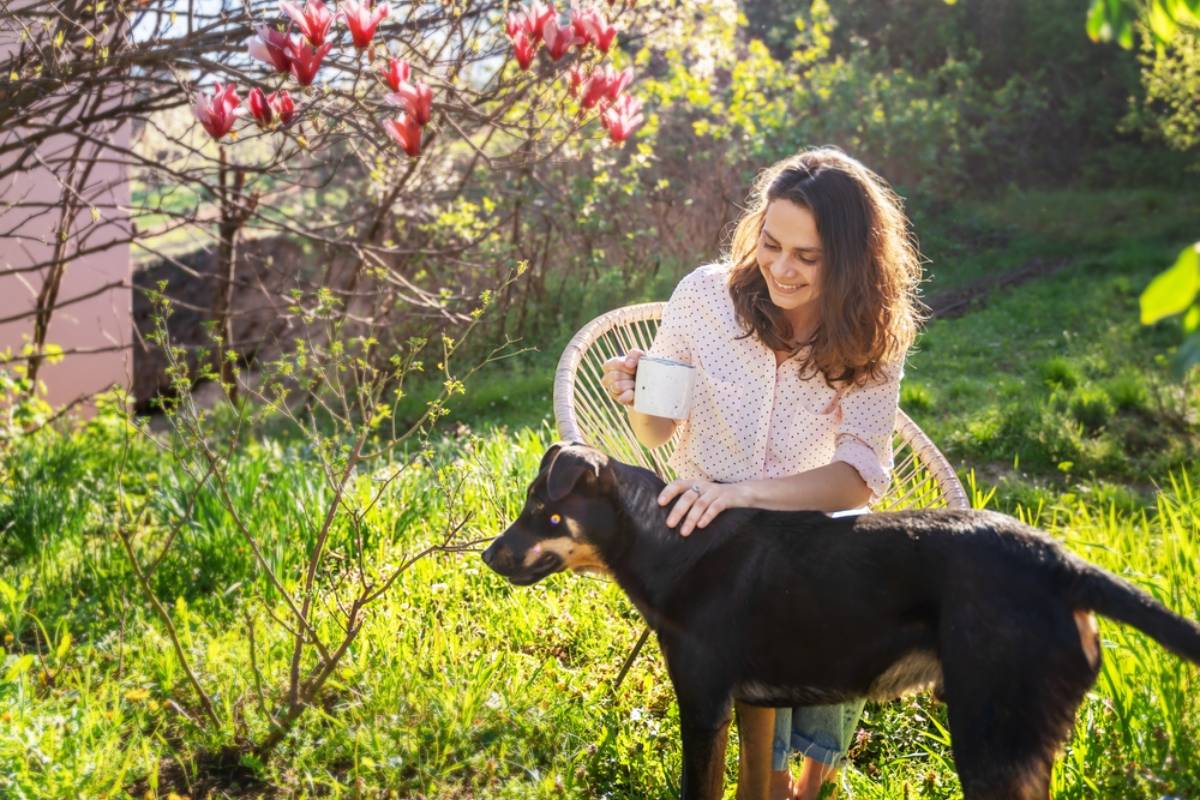
A Widow Spent Nine Months Redesigning Her Home, Buying a Giant Dog, and Reclaiming the Life Her Husband Once Said No To, Then a Quiet Moment in the Garden Revealed the Pain She Still Couldn’t Escape
A person shared her story after losing her husband of 29 years, describing how she was trying to rebuild her life while struggling with memories she couldn’t seem to shake. For most of their marriage, the relationship had been good, but the final two years brought a painful change in his personality. He eventually developed cancer that had spread to his brain, leaving her to deal with both his loss and the hurtful things he had said before his death. Even nine months later, those memories continued to follow her through ordinary days.
The Final Years Left Wounds That Didn’t Disappear With His Passing
Losing a longtime partner can be complicated when the relationship’s final chapter looks nothing like the years that came before it. The woman explained that her husband had once been supportive, but his behavior changed dramatically during his illness. Although she understood that the disease had affected him, the comments he made still replayed in her mind. Knowing why something happened, she was discovering, didn’t automatically make the emotional pain disappear.
She Was Busy With Life, Yet Her Mind Kept Returning to the Past
From the outside, it might have seemed that she was doing everything possible to move forward. She worked a sedentary job but also stayed active by hiking, gardening, and maintaining an entire acre of land. She had sought help from a therapist, who encouraged her to write down her thoughts and feelings rather than keep them bottled up. Yet even with a full schedule, her mind kept returning to the same painful conversations.
Her Garden Became One Part of a Life She Was Trying to Reclaim
Gardening offered her something tangible to care for during a period when so much else felt uncertain. Plants needed attention, weeds needed removing, and the land still demanded work regardless of how she felt that morning. Unlike the memories she couldn’t control, a garden gave her practical tasks with visible results. But staying busy outdoors didn’t mean the emotional work of grieving had suddenly become easier.
She Began Doing the Things She Had Once Been Told Not to Do
After her husband’s death, she initially decided to embrace the activities and purchases he had previously opposed. She painted the entire house, bought a hot tub, installed a giant television in the bedroom, and cut off her hair. She also got a large dog and tattooed her arm, making several changes that marked a dramatic departure from her previous routine. It was as though she wanted to see what her life could look like when she no longer had to ask anyone for permission.
Her Home Makeover Became a Declaration of Independence
The changes weren’t limited to one room or one weekend project. By repainting the house and investing in things she wanted, she was making decisions entirely on her own terms. Each new purchase or personal change offered a reminder that she could shape her surroundings according to her own preferences. Yet the freedom to make those choices didn’t automatically silence the voice of the past.
Even a Giant Dog Couldn’t Chase Away Every Difficult Memory
Bringing a giant dog into her life was another significant change, adding a new responsibility to her already active days. A dog can provide companionship, encourage routine, and bring unexpected moments of joy into an otherwise quiet home. Still, the woman admitted that she continued to struggle mentally despite everything she had changed. Her story showed that a fuller schedule and a livelier household could coexist with unresolved grief.
The Paddleboard Became Another Way to Keep Moving
She had also begun paddleboarding every week, adding another activity to the list of things she was doing for herself. Alongside hiking and gardening, it gave her opportunities to get outside and experience something beyond her everyday routine. These activities suggested that she wasn’t simply sitting still and waiting for life to improve. However, physical movement couldn’t guarantee that the painful thoughts in her mind would move along at the same pace.
Nine Months Later, She Was Still Searching for Herself
The woman explained that nine months after her husband’s death, she still didn’t know whether she would ever date or marry again. Rather than rushing toward another relationship, she wanted to rediscover who she was without the marriage that had shaped nearly three decades of her life. She also described struggling with what she called her mental baggage, particularly the lingering impact of those final years. Her question was less about finding another partner and more about finding a way to feel comfortable in her own life again.
The Weight of Grief Was About More Than Her Appearance
She also spoke candidly about changes in her weight, connecting them to a sedentary job, life circumstances, menopause, and the loss of her husband. She remembered being thin, beautiful, and outgoing when they first married, joking that she still considered herself two out of those three things. Her self-deprecating humor gave the story a glimpse of her personality, even while revealing how difficult the transition had been. Beneath the jokes was someone trying to feel like herself again after a life-altering loss.
A Response From a Person Revealed a Painful Similarity
A response from a person described a remarkably similar experience after losing a husband of 29 years to cancer that had spread to his brain. The person explained that the final years of the marriage had been difficult and that the painful memories had initially seemed impossible to reconcile with the happier years that came before them. Over time, however, those more recent memories began to fade into a broader recollection of the relationship. The experience suggested that grief could change shape without following a predictable schedule.
The Garden Offered an Unexpected Clue About Healing
The same person shared a surprisingly revealing detail about caring for a garden after losing a spouse. As the painful memories began to soften, the person felt so emotionally fragile that even killing grasshoppers eating flowers became difficult. It was a small moment, but it captured how grief can change someone’s relationship with ordinary things. The garden had become more than a place to grow plants; it reflected a heart that was still learning how to live with loss.
Forgiveness Didn’t Mean Pretending the Pain Never Happened
The response also acknowledged that there were things about the marriage’s final years that the person did not miss, even while deeply missing the husband. That distinction matters because love and hurt can exist in the same memory without canceling each other out. The woman who originally shared her story seemed to understand that her husband’s illness had changed him, yet she was still struggling with the emotional aftermath. Recognizing the circumstances behind his behavior was one part of the journey, not an instant solution.
A Response From a Person Reframed Life as an Unexpected Adventure
The person who shared the similar experience admitted to not knowing exactly who they were as a single 53-year-old woman. Rather than claiming to have figured everything out, they described learning to see the experience as an adventure on the better days. That perspective didn’t erase sadness or suggest that grief was easy, but it left room for curiosity about what might come next. Sometimes, a new chapter begins before someone feels entirely ready to write it.
The Biggest Twist Was That Rebuilding Her Life Couldn’t Be Rushed
The woman’s story began with a long marriage, painful final years, and a series of bold changes intended to help her reclaim her independence. She had transformed her home, changed her appearance, welcomed a giant dog, and filled her weeks with outdoor activities, yet the memories remained. The response from a person who had experienced a similar loss offered a gentler possibility: healing might come gradually as painful recollections changed and new experiences accumulated. Like a garden recovering after a difficult season, her life didn’t have to bloom all at once for meaningful growth to be happening.
Learning to Grow Again Meant Allowing Room for Difficult Days
The story ultimately wasn’t about finding a quick fix for grief or proving that a person could move on through enough home improvements and new hobbies. It was about recognizing that rebuilding a life involves both visible changes and quieter emotional work that other people may never notice. Gardening, hiking, and paddleboarding could offer moments of relief without being expected to solve everything. And perhaps the most hopeful lesson was that she didn’t need to know whether she would date again, marry again, or feel completely different by a certain date to begin discovering who she was becoming.