A Woman Tried to Reclaim Her Peaceful Garden After a Neighbor’s Cat Turned It Into a Hunting Ground, Then Discovered the Problem Was Much Bigger Than Her Flower Beds
A person shared her story about a cat that had gradually turned her garden into its favorite hangout, leaving her increasingly frustrated about what was happening to the outdoor space she loved. What might have seemed like an ordinary neighborhood nuisance soon became a much more complicated situation involving animal welfare, personal boundaries, and a difficult decision about whether to contact the cat’s owner. The woman did not simply want to chase an animal away from her plants, especially when the cat appeared to need help. Instead, she found herself caught between protecting her garden and worrying about a creature that could not explain what was happening at home.
At first, the situation seemed like something that might resolve itself with a little patience. Cats often wander through gardens, investigate flower beds, and settle into sunny corners as if they own the property. But when an unwanted visitor keeps returning, even the most patient gardener can begin to feel that their outdoor sanctuary has been taken over.
When a Garden Stops Feeling Like a Sanctuary
For many homeowners, a garden is more than a patch of grass or a collection of plants. It is a place to relax, watch birds, tend flowers, and enjoy a little peace after a busy day. An animal repeatedly disturbing that environment can turn a calming hobby into a source of stress.
The woman’s dilemma was particularly difficult because the cat was not simply an inconvenience she could ignore without a second thought. There was a living creature involved, and her concerns extended beyond the condition of her garden. She wanted to know whether contacting the owner would be reasonable, or whether doing so would create unnecessary conflict with someone living nearby.
The Difference Between a Wandering Cat and a Growing Problem
Gardeners are familiar with the occasional animal visitor, whether it is a curious squirrel digging around bulbs or a neighborhood cat exploring the borders. Usually, these encounters are manageable, and a few adjustments are enough to protect vulnerable plants. However, persistent problems become harder to dismiss when they affect the garden regularly.
The challenge is figuring out when ordinary wildlife activity becomes a situation that requires intervention. A cat may have no idea that it is disturbing carefully planted beds or frightening away birds that a homeowner enjoys watching. Still, the fact that an animal is behaving naturally does not mean the person responsible for its care has no role in addressing the consequences.
The Owner Becomes Part of the Story
Once a pet’s owner enters the picture, a simple garden complaint can become an awkward neighborhood conversation. Nobody wants to be known as the person who complains about every little thing, particularly when the other household may see the animal as harmless. At the same time, remaining silent can allow a problem to continue until frustration becomes much harder to contain.
The woman was considering whether she should contact the cat’s owner rather than letting her concerns build indefinitely. That decision carried its own uncertainty because she could not predict how the other person would respond. A calm conversation might help establish boundaries, but it could also lead to defensiveness if the owner felt that their pet was being unfairly blamed.
Why Gardeners Become Attached to Their Outdoor Spaces
People invest considerable time and effort in their gardens, from preparing soil and selecting plants to protecting seedlings and maintaining healthy borders. Even a modest flower bed can represent weeks of watering, pruning, and careful attention. When something repeatedly disrupts that work, the frustration can feel surprisingly personal.
The same is true of a garden designed to attract birds and other wildlife. For some people, watching visiting birds is one of the most rewarding parts of maintaining an outdoor space. A persistent feline visitor can complicate those efforts, leaving the gardener wondering how to protect the wildlife she enjoys without treating the cat cruelly.
The Cat May Not Understand the Damage
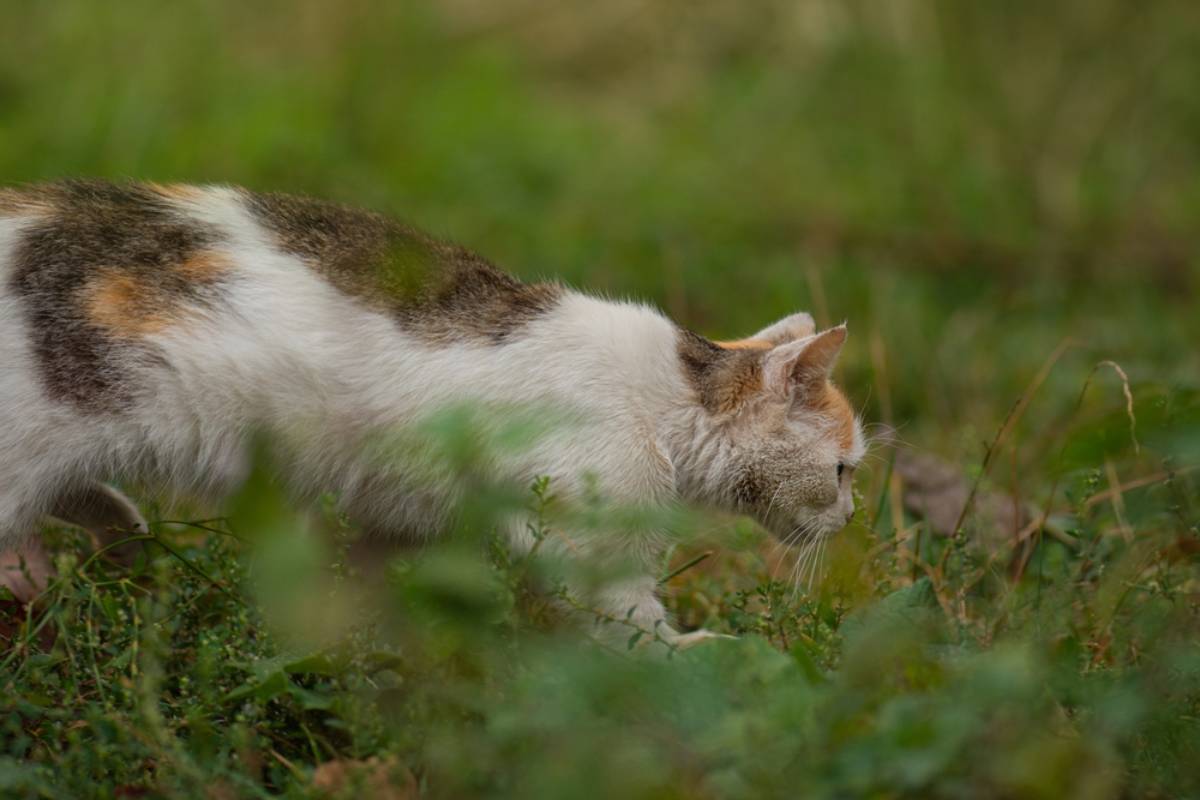
One important distinction in situations like this is that an animal does not understand property boundaries in the same way humans do. A garden may look like an inviting playground, hunting ground, or comfortable resting spot from a cat’s perspective. Its behavior is not necessarily an intentional attempt to upset the homeowner.
That does not mean the consequences should be ignored. Responsible solutions can protect plants and wildlife while avoiding unnecessary harm to the animal. The real challenge is finding an approach that acknowledges the cat’s natural instincts without expecting the gardener to surrender control of her own outdoor space.
A Conversation Could Prevent a Bigger Dispute
Contacting the owner may seem uncomfortable, but addressing a concern early can sometimes prevent resentment from growing. A polite message explaining what has been happening gives the other person an opportunity to understand the problem. It also creates room to discuss practical solutions before frustration turns into an argument.
The wording matters because accusations can make even a reasonable request sound hostile. Rather than declaring that the owner is doing something wrong, a gardener can explain the specific effects the cat is having on the property and ask whether anything can be done. That approach keeps the focus on solving the problem instead of turning the conversation into a contest over who is right.
Protecting Plants Without Hurting the Cat
Gardeners dealing with feline visitors have several humane options to consider. Physical barriers around vulnerable beds, protective covers for newly planted soil, and carefully positioned fencing can make certain areas less attractive to wandering cats. These measures may not solve every problem, but they can reduce the likelihood of damage without putting the animal at risk.
It is important to avoid dangerous deterrents, poisons, or anything that could injure a pet or wildlife. A garden should remain a safe environment, even when an unexpected visitor becomes frustrating. The best solution is one that protects the plants while allowing the animal to move away unharmed.
The Birds Add Another Layer to the Problem
For someone who enjoys gardening, attracting birds can be just as important as growing flowers or vegetables. Bird feeders, shrubs, and carefully chosen plants can turn an ordinary backyard into a lively habitat. But cats are natural hunters, which can make their presence concerning for anyone trying to encourage visiting birds.
A gardener facing this situation may feel caught between two kinds of affection: concern for a familiar animal and a desire to protect the wildlife visiting her property. Neither feeling has to cancel out the other. Thoughtful garden design, safer feeder placement, and humane barriers can help reduce conflict while allowing birds to continue visiting.
When Concern for an Animal Becomes Difficult to Ignore
Sometimes the hardest part of a neighborhood animal dispute is recognizing that the issue may extend beyond the garden itself. If a pet appears injured, unwell, or neglected, the concern becomes more serious than protecting plants. At that point, the question is no longer simply whether the animal is welcome on someone else’s property.
Anyone worried about an animal’s welfare can document specific observations and seek advice from an appropriate local animal welfare organization. That is different from making assumptions about an owner based solely on a frustrating encounter. Clear observations and professional guidance can help determine whether further action is justified.
Why Staying Silent Can Make Things Worse
Avoiding confrontation may feel like the easiest option in the short term. Nobody enjoys the prospect of an uncomfortable conversation with a neighbor, especially when both households may have to continue living alongside each other. Yet leaving a recurring problem unaddressed can allow irritation to grow until even a minor incident sparks an outsized reaction.
The woman was trying to decide whether speaking up would make her unreasonable, but asking for help with a persistent problem is not automatically unfair. What matters is how the concern is communicated and whether the proposed response is proportionate. A respectful discussion can offer a better chance of resolving the issue than quietly collecting grievances.
What a Response From a Person Might Consider
A response from a person could reasonably point out that a homeowner has the right to raise concerns about repeated disturbances on their property. That does not mean the cat should be punished for behaving naturally, nor does it mean the owner should immediately be accused of wrongdoing. Instead, the situation calls for a practical discussion about boundaries, animal safety, and ways to reduce the impact on the garden.
Another consideration is whether the concern involves ordinary roaming or evidence that the animal may need help. Those are different circumstances and may call for different responses. Keeping the facts separate from assumptions makes it easier to choose a fair solution without allowing frustration to dictate every decision.
The Twist Is That Nobody Needs to Be the Villain
Neighborhood disputes often begin with a seemingly small irritation and gradually become complicated because everyone has something they want to protect. In this case, the gardener wants to enjoy her outdoor space, while the cat’s presence raises questions about the responsibilities that come with owning an animal. The situation does not necessarily require anyone to be portrayed as a villain for the problem to deserve attention.
That is what makes these conflicts so difficult: a person can care about animals and still want a garden free from repeated disturbances. Likewise, a cat can be an unwitting source of frustration without deliberately causing trouble. Recognizing both sides makes it easier to move beyond blame and toward a workable answer.
Finding a Way Forward for the Garden
The most constructive next step would be to communicate the concern clearly, describe any specific damage or disturbance, and explore humane ways to manage the situation. If the owner is receptive, the two households may be able to agree on measures that protect the garden and reduce unwanted visits. If the problem involves credible concerns about the animal’s welfare, seeking guidance from an appropriate animal welfare organization may be necessary.
Ultimately, the woman does not have to choose between caring about a cat and caring about her garden. Those priorities can coexist when the response focuses on safety, reasonable boundaries, and practical solutions. Sometimes, the first step toward reclaiming a peaceful garden is not planting another flower or installing another barrier, but having a conversation that nobody particularly wanted to start.