Some Backyard Gardeners Are Dedicating One Bed Entirely to Growing Their Own Natural Dye Plants for Fiber Arts, And the Cross Hobby Community It Is Building Online Is Catching Everyone Off Guard
In a small community outside Asheville, North Carolina, a few backyard gardeners started experimenting with plants they once considered unusual. They were not growing these crops for food, but for the colors hidden inside their leaves, roots, and flowers.
What began as a personal project for making handmade fabrics slowly connected people who had never considered gardening and fiber arts part of the same world. The unexpected collaboration created a growing network of gardeners, artists, and hobbyists sharing techniques, mistakes, and discoveries.
The Garden Bed That Was Set Aside for an Experiment
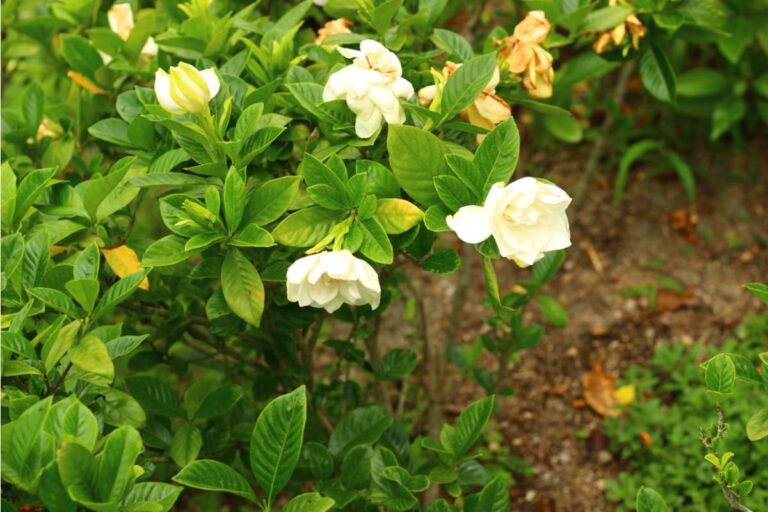
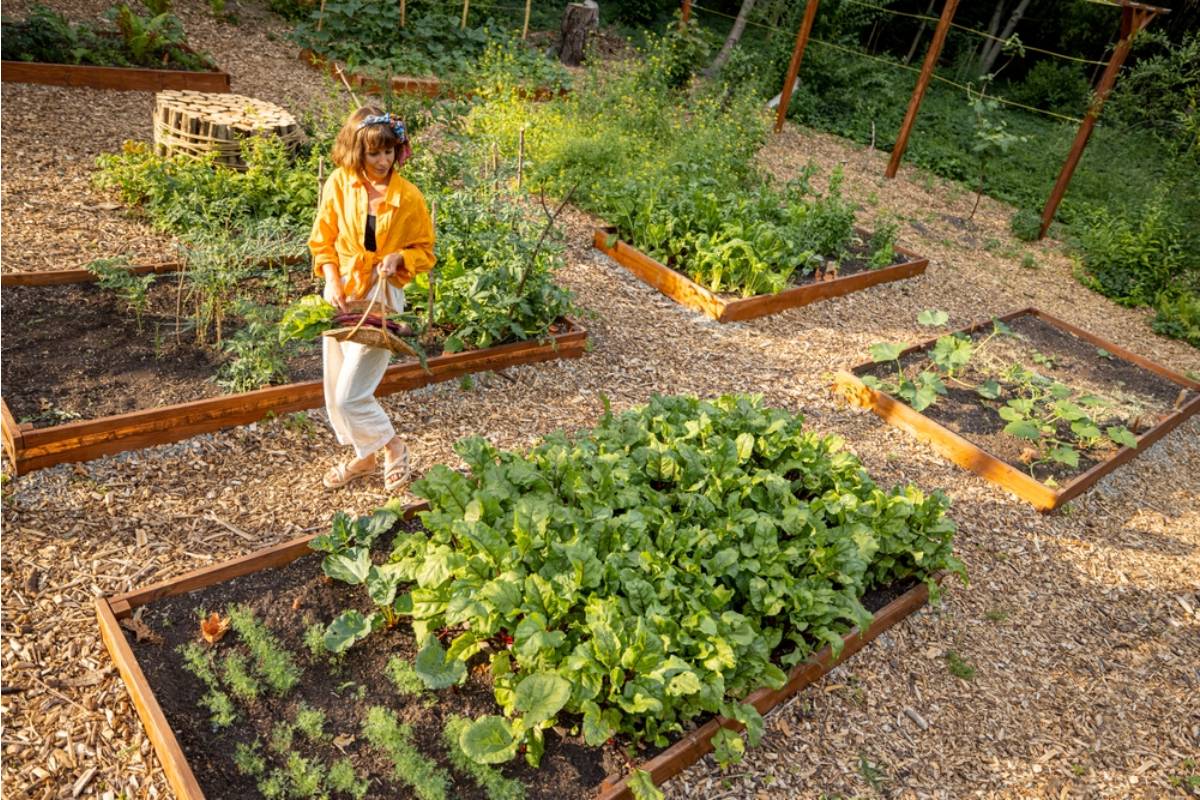
Rachel Monroe had always grown vegetables, herbs, and flowers in her backyard, but one empty raised bed kept bothering her. She decided to use it for plants she had never tried before after watching a fiber artist create natural dyes from garden materials. She planted marigolds, indigo, madder, and other dye plants without knowing whether the experiment would succeed. Her husband joked that she had created a “color garden” instead of a food garden. Rachel laughed but admitted she was curious to see what the plants could do.
The First Fabric Sample That Changed Her Mind
The project became interesting when Rachel harvested her first batch of flowers and used them to dye small pieces of fabric. She expected soft colors but was surprised by the range of shades that appeared after experimenting with different methods. She showed the samples to her friend Lisa, who immediately asked how she created them. Lisa had been learning embroidery and wanted to try using handmade colors in her projects. The two friends realized the garden could become a bridge between their hobbies.
The Neighbor Who Wanted to Know About the Strange Plants
Rachel’s neighbor, Daniel Foster, noticed that her garden bed looked different from the rest of the yard. He asked why she was growing plants that did not produce vegetables or typical flowers. When Rachel explained the purpose, Daniel admitted he had never heard of growing plants for dye. He asked if she could show him how the process worked. A simple question over the fence became the first step toward involving more people.
The Online Post That Attracted Unexpected Attention
Rachel shared photos of her dye experiments in a local gardening group online. She expected a few comments from other gardeners, but the post received responses from people interested in weaving, quilting, sewing, and crafts. Several people asked where they could find seeds for the same plants. Others shared their own experiences with natural dyes. Rachel realized there was a much larger community interested in combining gardening with traditional crafts.
The Weekend Gathering That Brought Two Worlds Together
After seeing the online response, Rachel organized a small backyard gathering where people could see the plants and try dyeing fabric themselves. Gardeners arrived carrying seedlings, while fiber artists brought yarn, fabric scraps, and handmade tools. Many attendees said they had never met people from the other hobby before. The conversations quickly moved beyond the plants and into discussions about preserving older techniques. Rachel watched strangers exchange ideas like they had known each other for years.
The Plant That Refused to Work the Way They Expected
Not every experiment went smoothly. A group of gardeners spent weeks growing a specific plant they believed would create a strong color, only to discover the results were much lighter than expected. Instead of giving up, they compared notes and changed their growing methods. The failed attempt became one of the most discussed topics in their online group. Members realized mistakes were creating as much knowledge as successful harvests.
The Artist Who Started Growing Her Own Materials
One participant, Hannah Brooks, had been buying dyed fabrics for years but had never grown anything herself. After attending Rachel’s gathering, she decided to start a small dye garden on her apartment balcony. She documented her progress online and shared updates with the group. Other beginners began following her because she showed that the hobby did not require a large backyard. Her experience brought even more people into the community.
The Seed Exchange That Became Something Bigger
As more gardeners became interested, members began trading seeds from their own dye plants. The exchanges started informally but soon became one of the group’s most popular activities. People shared growing tips along with family stories about crafts they remembered from older generations. Some members said they felt connected to traditions they had never personally experienced. The seed swaps became about preserving knowledge as much as growing plants.
The Farmer Who Joined the Backyard Movement
A local small-scale farmer named Greg Alvarez heard about the group through his customers at a weekend market. He had unused space and wondered whether growing dye plants could become part of his operation. Rachel and other members helped him understand which plants worked best in their area. Greg later invited the group to visit his fields and see larger-scale production. The visit showed hobbyists that their backyard experiments had real potential.
The Unexpected Friendship Between Gardeners and Artists
Over time, the online group became less focused on individual projects and more focused on collaboration. Gardeners began helping artists prepare materials, while artists taught gardeners new ways to use their harvests. People who originally joined for plant advice stayed because they enjoyed the friendships. Members said the community felt different from other hobby groups because everyone brought a different skill. The shared interest created connections that none of them expected.
The Challenge of Keeping the Tradition Alive
As the group grew, members started discussing how to preserve their knowledge for newcomers. They created guides explaining planting methods, harvesting tips, and dye experiments that worked in their region. Older members shared techniques they had learned from relatives, while younger members documented everything digitally. The goal was to make the information available to anyone curious about the hobby. Rachel said the project had become much larger than the garden bed where it started.
The Garden Bed That Started a Community
Rachel still keeps one raised bed dedicated to dye plants behind her home. She continues growing vegetables too, but she says the dye garden changed the way she thinks about gardening. What began as a quiet experiment became a place where different interests came together. The gardeners discovered that plants could create more than food or decoration. They could create conversations, friendships, and a community built around shared curiosity.