Some Backyard Gardeners Are Growing Their Own Dye Plants Like Marigolds and Indigo for Natural Fabric Coloring, And the Hobby Is Exploding Online
It started quietly in a few backyards where people were looking for alternatives to store bought dyes and synthetic colors. Marigolds, indigo, and other dye producing plants began showing up alongside tomatoes and herbs, often in small experimental rows. At first it seemed like just another niche gardening interest, but the results were too vivid and consistent to stay local. People began posting fabric swatches colored directly from their own gardens, and the reaction online was immediate. What began as curiosity quickly turned into a rapidly growing hobby with its own following.
A Small Backyard Experiment With Color
It began in a modest suburban yard where someone decided to try extracting color from marigold petals after reading about traditional dyeing methods. The first attempt was simple, just boiling petals in a pot and dipping a piece of cotton fabric. The result was a soft golden tone that looked noticeably different from anything store bought. That small success led to more experimentation with other plants in the garden. Soon, the backyard had shifted from food production to color production.
Indigo Plants Enter the Picture
Not long after, indigo plants were added to a few experimental plots. The process was more complex than marigolds, requiring fermentation steps that felt closer to chemistry than gardening. The first usable dye bath produced a deep blue that surprised even the grower. Friends who saw the results began asking for fabric samples. It was the kind of color that felt difficult to replicate with commercial products.
Neighbors Start Asking Questions
As more dyed fabrics appeared hanging in backyards to dry, neighbors started noticing something unusual. Clothes, scarves, and even small decorative pieces began appearing in colors that looked handmade and slightly uneven in a natural way. People walking by would pause and ask how those shades were being created. Conversations quickly shifted from gardening tips to dye techniques. The curiosity spread faster than expected.
Online Posts Turn It Into a Trend
Photos of naturally dyed fabrics started circulating widely on social platforms. Creators showed before and after shots of plain white cloth transformed into deep yellows, greens, and blues. Comment sections filled with questions about plant types and extraction methods. Some users began comparing soil conditions and sunlight exposure as if it affected dye intensity. The hobby stopped being local and became part of a larger online movement.
Garden Centers Notice Changing Demand
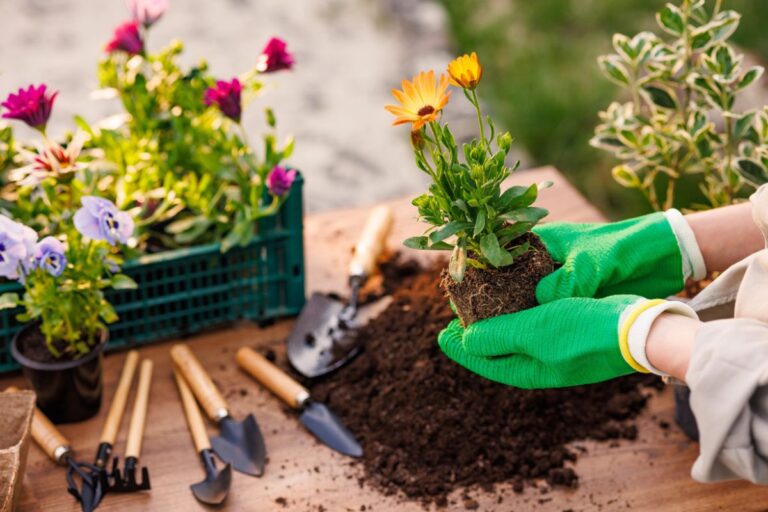
Nurseries and garden centers began noticing a shift in what customers were asking for. Instead of focusing only on edible plants, people were specifically requesting dye producing varieties. Marigold seeds started selling alongside indigo starter plants in unusual combinations. Staff members began recommending plant pairings based on color output rather than food yield. It was a subtle but noticeable change in buying patterns.
A Textile Artist Brings Attention to the Practice
A local textile artist who worked with natural materials was invited to demonstrate the process at a community workshop. She showed how different mordants and plant combinations could change the final shade dramatically. Participants were surprised at how unpredictable yet controllable the results could be. The workshop quickly filled beyond capacity after being announced. Many attendees left with plans to start their own dye gardens.
First Challenges With Consistency Appear
As more people tried the process, they began noticing inconsistencies in color results. One batch of marigolds produced bright yellow, while another grown in similar conditions came out muted. Indigo dye baths varied depending on timing and temperature. These differences frustrated beginners who expected uniform results. Experienced growers explained that natural variation was part of the process, not a flaw.
Backyard Spaces Begin to Shift Purpose
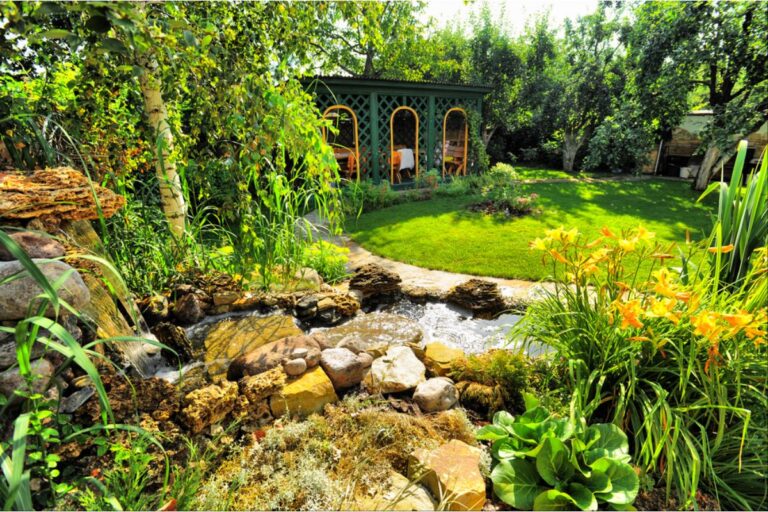
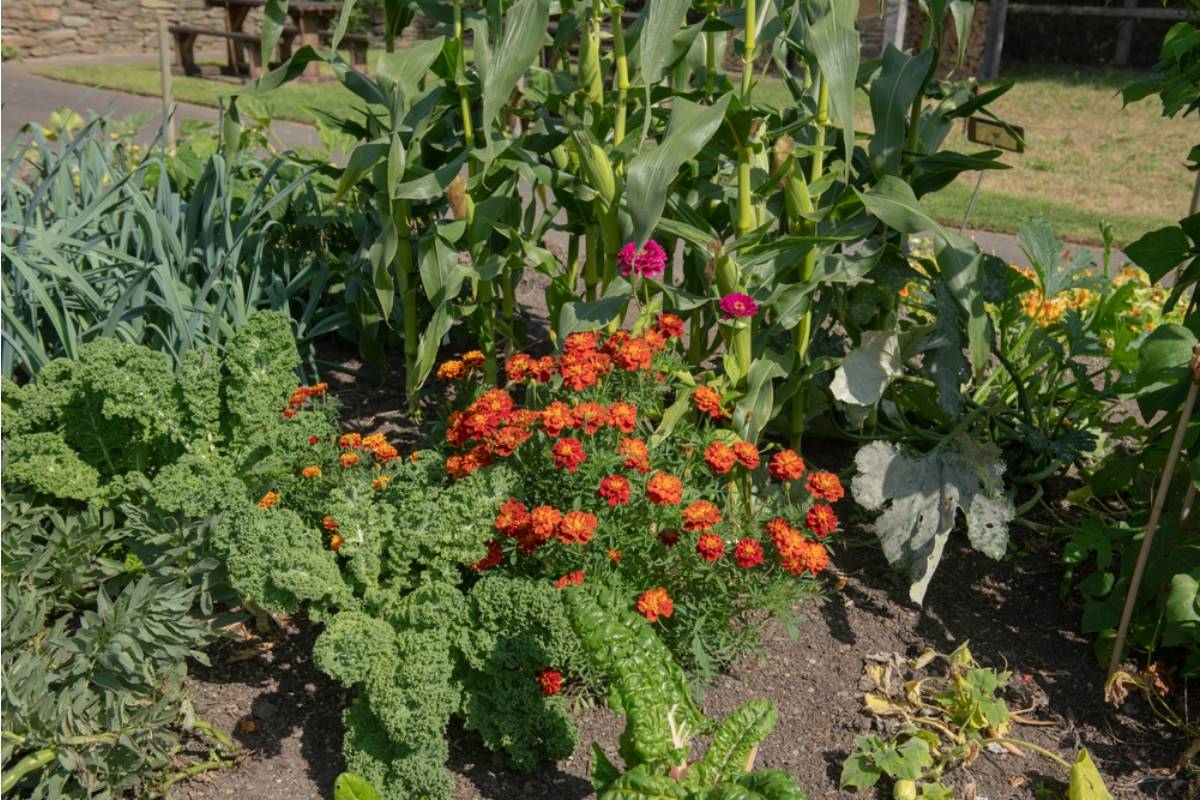
Some homeowners started dedicating entire sections of their yards to dye plants. Vegetable beds were reduced or rearranged to make space for color focused gardening. Rows of flowers were grown specifically for harvesting petals rather than decoration. Drying racks and fabric lines became common backyard features. The garden itself was beginning to change identity in subtle ways.
Small Business Interest Emerges
A few local artisans began incorporating homegrown dyes into small clothing and textile businesses. They marketed products as naturally colored and locally sourced. Customers showed interest in the story behind each piece as much as the final product. The uniqueness of slight color variation became part of the appeal. What started in backyards began moving into small scale commerce.
Seasonal Limitations Become Clear
Growers soon realized that dye production depended heavily on seasons and plant cycles. Marigolds thrived in warm months but were limited by weather changes. Indigo required careful timing and could not be rushed for continuous output. This made planning essential for anyone using it beyond hobby level. People began organizing planting schedules more carefully than before.
Community Gardens Adopt Dye Sections
Some community gardens began setting aside specific plots for dye plants. These sections were used both for experimentation and public demonstration. Visitors could see the entire process from plant growth to fabric coloring. Volunteers documented results to compare seasonal differences. It became both an educational and creative space within shared gardens.
Workshops Turn Into Regular Events
Due to growing interest, dye gardening workshops became recurring events in several neighborhoods. Participants brought their own fabric and plants to test different combinations. Discussions often focused on technique rather than decoration or aesthetics. People shared notes on soil composition and extraction methods. The hobby was becoming structured and skill based.
The Trend Settles Into Everyday Practice
After the initial surge of excitement, natural dye gardening became a steady but less chaotic practice. Not everyone continued, but those who did refined their methods over time. Gardens were now designed with both food and color production in mind. The idea of growing plants for fabric dye became a normal extension of home gardening. What started as an online curiosity quietly became part of everyday backyard culture.