A New Trend Shows Home Growers Mixing Food and Medicinal Plants Together, And It’s Changing Small Garden Design
A new trend among home growers shows food and medicinal plants being grown together in the same spaces, and it’s reshaping how small gardens are designed and used.
Gardens Are Becoming Multi-Purpose Spaces
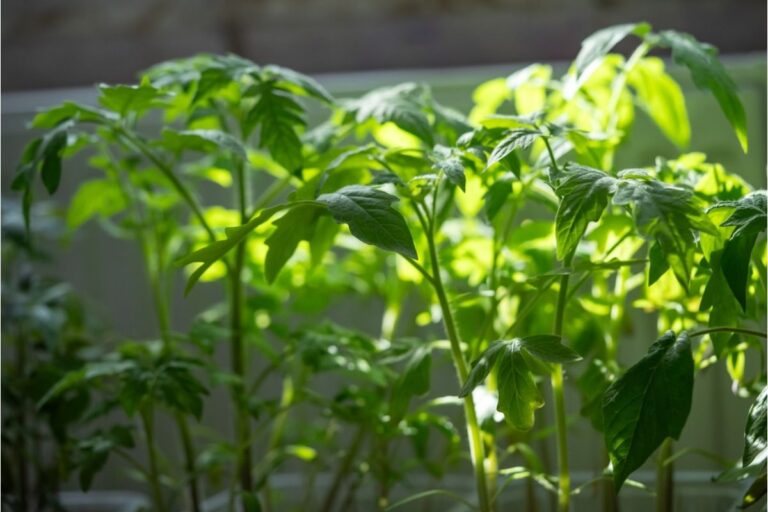
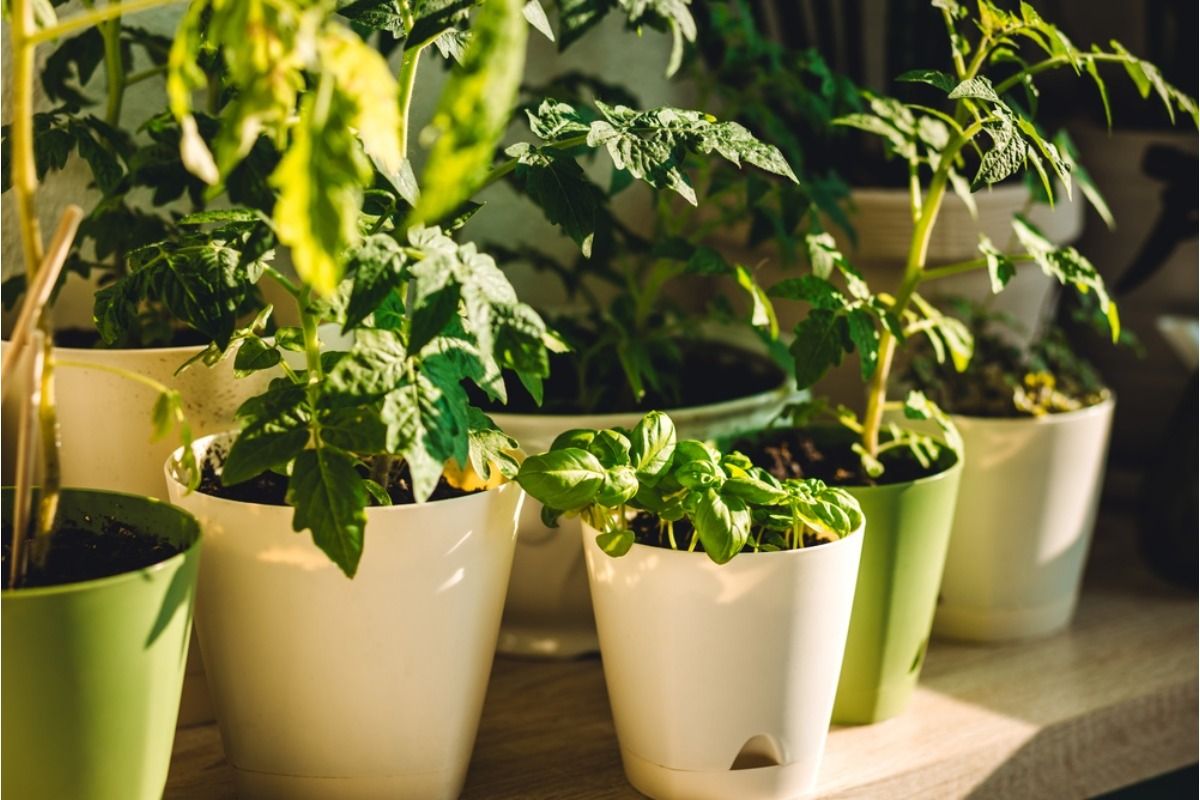
Instead of separating edible crops and herbal plants, growers are combining them in shared layouts. Vegetables, herbs, and medicinal plants grow side by side in the same containers or beds. This makes small spaces more productive. One garden now serves multiple needs. Function is being maximized.
Herbs Are Playing a Dual Role
Plants like basil, mint, rosemary, and chamomile are being used both for cooking and traditional wellness practices. This makes them especially valuable in home gardens. They are easy to grow and frequently harvested. Their usefulness extends beyond the kitchen. Versatility is driving popularity.
Design Is Becoming More Intentional
Gardeners are planning layouts more carefully to balance plant needs. Sunlight, water, and spacing are considered across different plant types. Food and medicinal plants are arranged to support each other’s growth. Design replaces random planting. Structure improves results.
Companion Benefits Are Being Noticed
Some medicinal plants may help deter pests or improve soil conditions for nearby vegetables. This creates a more balanced growing environment. Diversity can support healthier growth overall. Plants interact in useful ways. Natural systems are being encouraged.
Small Spaces Gain More Value
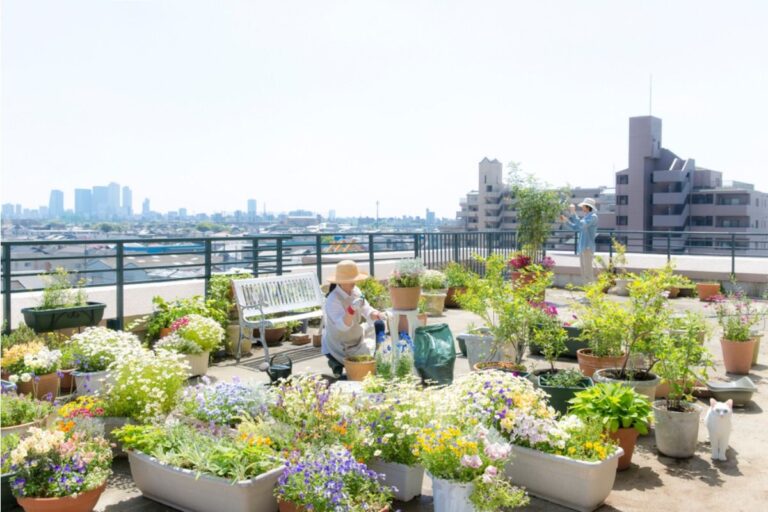
This approach is especially useful in balconies, rooftops, and compact gardens. Instead of dedicating separate areas, everything is combined. A single space produces food and herbal resources. Efficiency increases significantly. Space limitations are reduced.
Reduced Dependence on Store-Bought Items
With both vegetables and commonly used herbs growing at home, households rely less on external purchases. This includes cooking ingredients and basic herbal remedies. Convenience improves. Availability becomes consistent. Home production increases self-sufficiency.
Gardening Becomes More Holistic
Growers are viewing gardens as complete systems rather than single-purpose plots. Food, wellness, and sustainability are integrated. This changes how people think about planting. Gardening becomes more lifestyle-oriented. Purpose expands beyond food alone.
Learning Plant Compatibility Is Important
Not all plants grow well together, so gardeners are learning which combinations work best. Factors like growth rate and resource needs matter. Some plants compete, while others support each other. Experience improves outcomes. Knowledge is essential.
A Shift Toward Natural Living
This trend reflects growing interest in natural and self-reliant living. People want more control over what they consume and use daily. Growing multiple plant types together supports that goal. Simplicity and usefulness are prioritized. Lifestyle choices are evolving.
Redefining Small Garden Potential
Overall, this approach is changing how small gardens are viewed. They are no longer limited to just vegetables or herbs alone. Instead, they are becoming compact, multifunctional ecosystems. Productivity is increasing in limited space. Design thinking is reshaping home gardening.
As more home growers mix food and medicinal plants, small gardens are evolving into more efficient, diverse systems, where every plant serves multiple purposes and limited space delivers greater overall value.