A Woman Watered Her Neighbor’s Beloved Garden While He Was Camping Through 103-Degree Heat, Then He Returned Home With One Very Unexpected Complaint
A person shared a gardening story about a longtime neighbor, a scorching stretch of summer weather, and a simple favor that somehow turned into an unexpectedly awkward neighborhood moment. What started with friendly jokes, shared favors, pets, and garden admiration seemed like the perfect example of neighbors looking out for one another. Then two weeks later, the neighbor came home from his camping trip and brought up something the homeowner never expected to hear.
The woman had only watered a few outdoor plants while temperatures climbed into the 90s and reached as high as 103 degrees. She believed she was protecting the plants from the brutal heat, especially because the neighbor had specifically asked her before the trip to water one of his new bushes. Nobody expected that a little extra water could leave both sides feeling as though an invisible garden fence had suddenly appeared.
It Started With a Neighborly Friendship
The two households had lived beside one another for years, close enough that everyday life naturally spilled across the property lines. The neighbor was a single man in his 50s who had been there for roughly two decades, while the woman lived with her 75-year-old husband. Their homes were close together, creating the sort of neighborhood where people notice when someone mows, leaves town, or suddenly needs a hand.
Their friendship had plenty of playful traditions woven into it. The neighbor and the woman’s husband joked about a familiar cycle of mowing, while the woman and the neighbor were friendly in their own right. He even told her that he admired the flower garden she had carefully built in front of her home.
Their Gardens Became Part of the Friendship
The relationship went beyond waving from the driveway or making small talk over the fence. The neighbor brought treats home for the couple’s two dogs, and they returned the favor by buying little toys for his cat. Their yards were close enough that these small exchanges had become part of the rhythm of daily life.
The couple also let him park his camper in their larger yard before his camping trips. His own driveway was steep enough that a fully loaded camper caused problems for his van, so their extra space made preparing for those trips much easier. It was the kind of arrangement that made the neighborhood feel less like a collection of separate properties and more like a group of people quietly helping each other.
Then the Flower Bed Entered the Picture
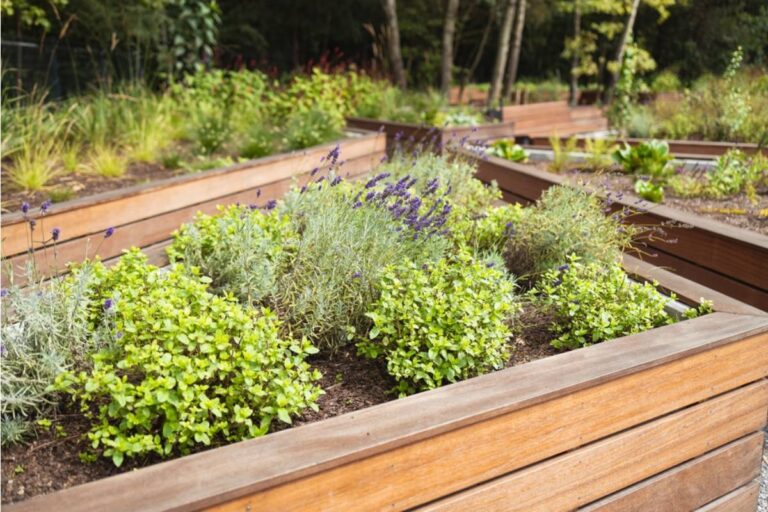
The neighbor had a few flowering plants spread around his property, including bushes on the corners of his yard and a small raised garden containing several flowering plants. One particular bush near the couple’s house had died the previous year. He replaced it, and that new plant quickly became the subject of a very specific favor.
The neighbor first asked to borrow their watering can, then asked the woman to water the new bush whenever she watered her own garden. Her own flower beds were already part of her routine, so adding one more plant did not seem like an enormous responsibility. From her perspective, it was barely an inconvenience and simply another small way to be a good neighbor.
His Camping Trip Changed the Weather
Then the neighbor packed up and left for a two-week camping trip. His cat stayed behind, and the woman’s husband already had an established habit of feeding the cat whenever the neighbor was away. Nothing about the arrangement seemed unusual.
What did change was the weather. Temperatures climbed into the high 90s, with several days reaching 103 degrees, while humidity remained very low and the landscape became intensely dry and sun-baked. Suddenly, those little flowering plants had to endure conditions that could leave even established garden beds struggling.
She Decided the Plants Needed Help
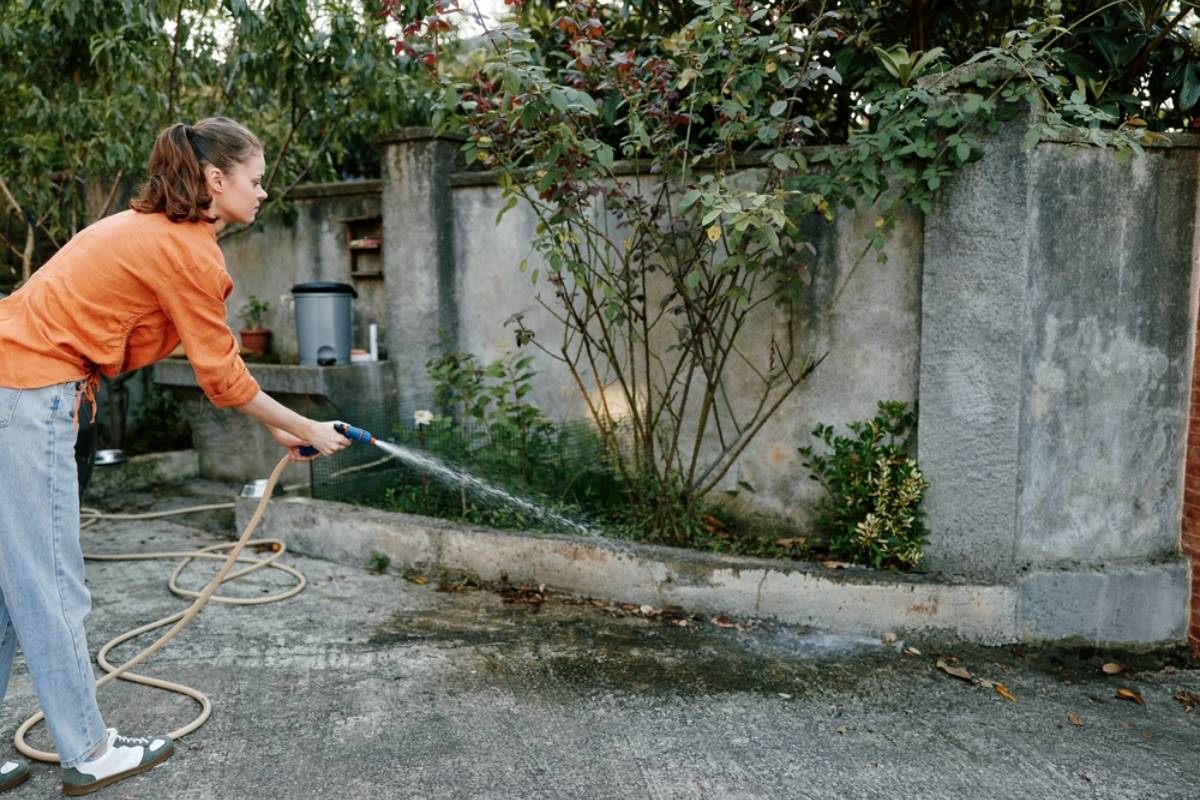
The woman did not decide to maintain the entire property while he was gone. She specifically watered the outdoor plants and left the lawn alone. In total, she says she watered them only twice during the two-week trip.
To her, those two watering sessions were simply a practical response to extreme heat. She already had the watering can, already had the habit of tending her own flowers, and knew the neighbor had asked her to water his new bush. From her point of view, leaving the plants to bake in triple-digit temperatures felt far less neighborly than giving them a drink.
She Wasn’t Even Trying to Take Over His Yard
There was no attempt to redesign the garden, prune anything, move pots, or decide what should be planted. She did not mow the lawn, rearrange the flower beds, or turn his property into an unofficial extension of her own gardening routine. The entire intervention amounted to watering a handful of plants.
That distinction mattered to her because the gesture was meant to be helpful rather than intrusive. She was not trying to become the manager of someone else’s garden. She was simply trying to make sure that a few plants survived an unusually brutal stretch of weather.
The Neighbor Had Always Helped Them Too
The woman’s decision did not happen in a vacuum. The neighbor had previously repaired a plumbing leak at their home, and he regularly helped with practical chores around the property. During heavy snow, he used his snow blower to clear the sidewalk and walkway in front of their house.
The couple appreciated those favors and even turned them into an inside joke. They would laugh about how the “snow fairies” must have appeared overnight, while the neighbor occasionally handled their walkway without being asked. That history made the woman’s decision to water his garden feel less like crossing a line and more like continuing a long-running exchange of kindness.
Then He Came Home From the Lake
During his camping trip, the neighbor had sent the couple pictures from a beautiful spot beside a lake. When he returned, the woman expected the usual conversation about the trip, the scenery, and whatever adventures had happened while he was away.
That is more or less how the first conversation went. He talked about the camping trip and seemed to carry on normally, never mentioning the garden or the watering. The woman had no reason to believe that anything about those two watering sessions had become an issue.
The Garden Complaint Arrived Weeks Later
About two weeks after the neighbor returned home, he walked over while the woman was working in her flower beds. The setting could hardly have been more ordinary: she was surrounded by plants, doing the gardening she normally enjoyed, when the conversation suddenly took an unexpected turn.
He told her that he had not appreciated her watering his plants. He was not shouting, insulting her, or behaving aggressively, but the message still landed hard because she had believed she was doing him a favor. The timing made it even stranger, since he had been home for weeks before deciding to bring it up.
His Comparison Left Her Completely Stunned
The neighbor compared her watering the plants to entering their house while they were away and replacing a faucet or working on their plumbing. The comparison caught her completely off guard. She knew he had once repaired a leak in their own home, which may have been why that example came to his mind, but the connection made little sense to her.
A response from a person suggested that the comparison was exaggerated while still acknowledging that the neighbor was entitled to his own boundaries. That response also pointed out why the woman had made the assumption she did. With years of favors, pet care, garden admiration, camper parking, and snow clearing behind them, watering a few flowers during extreme heat did not seem like an unreasonable thing to do.
She Apologized, Even Though Her Intentions Were Kind
The woman explained that her goal had simply been to help the plants survive. Once she realized the neighbor was upset, she apologized and made it clear that she would not do anything similar again.
She did not argue that he was wrong to have a boundary, even though she felt deeply hurt by how the situation unfolded. The emotional sting came from realizing that an act she considered kind had been interpreted as an unwanted intrusion. Sometimes the hardest part of a gardening disagreement has nothing to do with plants at all.
The Heat Turned a Small Favor Into a Big Question
From a gardening perspective, the decision is easy to understand. Flowering plants exposed to prolonged heat, intense sunlight, and very dry air can become stressed quickly, especially when they are newly established. A gardener watching the weather climb toward 103 degrees may instinctively start thinking about what needs water before anything begins to wilt.
But gardening is also full of personal preferences and boundaries. One homeowner may see emergency watering as basic plant care, while another may prefer to decide exactly when and how their plants receive water. The disagreement was not really about whether water is useful for flowers, but about who gets to decide what happens in someone else’s garden.
She May Never Look at the Hose the Same Way Again
After the conversation, the woman decided to create some distance. She said she would remain polite but would probably avoid offering help or stepping into the neighbor’s garden routine unless specifically asked again.
There was even a little humor in her reaction, because she joked that her watering hose could simply stay on her own side of the property. After all the years of friendly cooperation, that simple garden hose suddenly represented a much bigger question about where one neighbor’s helpfulness ends and another neighbor’s privacy begins.
The Real Twist Wasn’t About the Plants
The surprising part of the story is that the plants themselves were never the real problem. They survived the heat, the woman meant well, and the neighbor did not accuse her of damaging anything. What changed was the meaning attached to a small act that she thought belonged to the same long tradition of favors they had shared for years.
A person shared his story hoping to understand whether watering the garden had crossed a line, and the responses largely focused on the importance of communication rather than the flowers themselves. One response from a person suggested gently discussing what kinds of help are welcome in the future, while others simply viewed the incident as an unfortunate misunderstanding. In the end, the garden may recover easily, but rebuilding the exact comfort of the old neighborly routine could take a little longer.
Sometimes the Trickiest Garden Boundary Is Invisible
A visible fence makes it obvious where one yard ends and another begins, but relationships often have boundaries that are much harder to spot. Years of mutual favors can make certain actions feel automatic, especially when neighbors have developed an easy habit of helping one another without much explanation.
This story is a reminder that even the most ordinary garden task can carry unexpected meaning. Watering a struggling flower may feel like an act of kindness to one person and an unwanted intrusion to another. The flowers may have only needed a few extra drinks of water, but the neighbors ended up learning that clear boundaries can be just as important as good soil.