Homeowner Says Her Neighbor Keeps Parking on the Grass Strip Where She Grows Her Herbs, Now the Soil Is Compacted and Nothing Will Grow Back
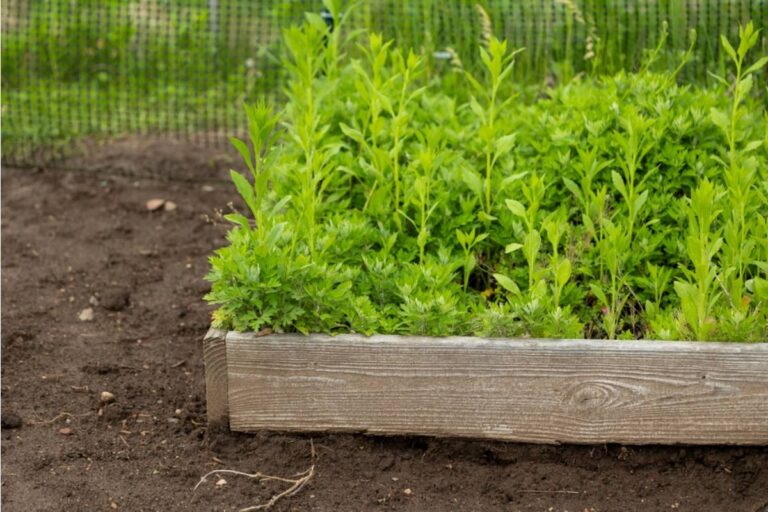
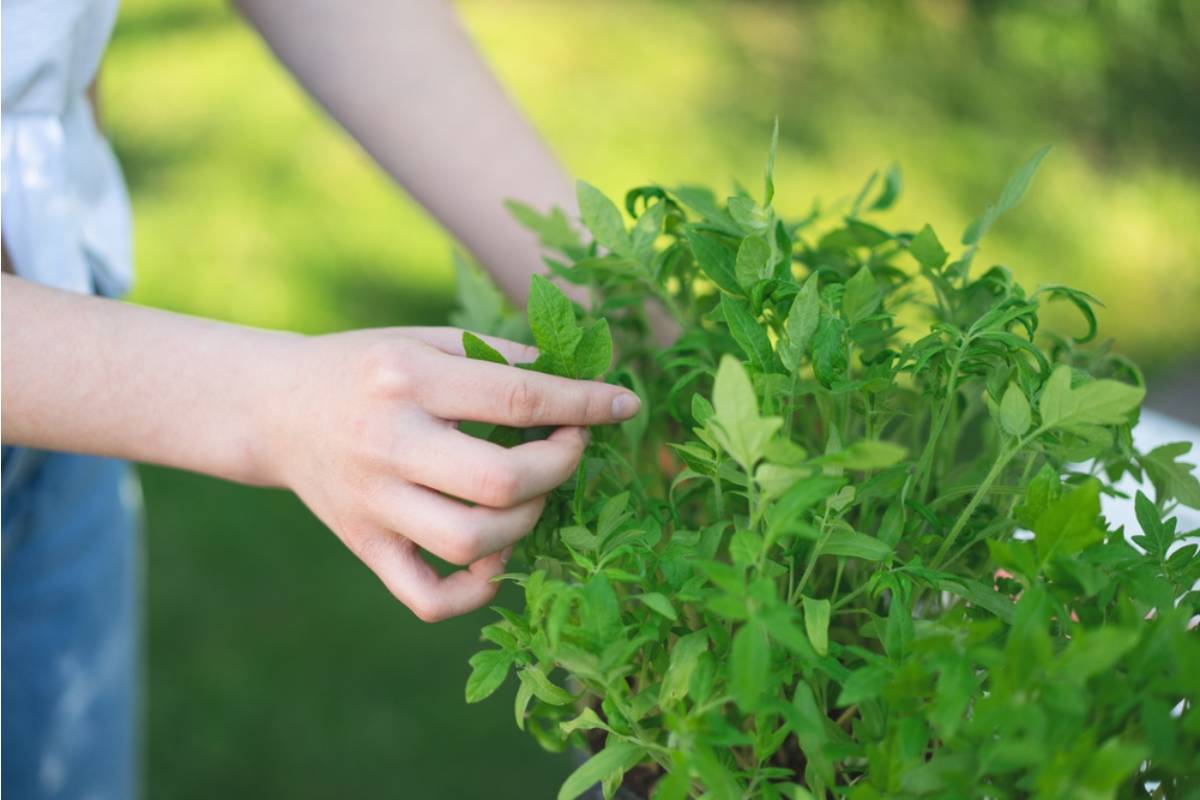
In a quiet suburban neighborhood in Michigan, Linda had spent two years slowly turning the narrow strip of land between the sidewalk and the curb into a small herb garden. It was not much space, but she had managed to grow rosemary, thyme, and mint in neat rows that softened the edge of the street.
Everything changed when her new neighbor began using that same strip as an extra parking spot. At first it seemed temporary, but the repeated weight of the car began leaving deep marks in the soil. By the time Linda noticed her plants struggling, the damage was already becoming difficult to reverse.
A Small Strip of Land With Big Plans
Linda never thought much about the thin patch of dirt by the road until she started gardening. She had seen other homes with flowers or herbs growing there and decided to try it herself. Over time, she carefully improved the soil and added compost each season. Neighbors often commented on how unexpectedly green the edge of her property looked. It became her quiet project, separate from the rest of her yard.
A New Neighbor Brings a New Habit
When Mark moved in next door, things seemed friendly enough at first. He introduced himself and mentioned he worked long shifts and often needed extra parking space. One afternoon, Linda noticed his car pulled partially onto the grassy strip. She assumed it was a one time thing. She did not say anything, thinking it would not happen again.
The First Signs of Trouble in the Soil
Within a few weeks, Linda started noticing tire tracks forming in the soil. The herbs near the edge of the strip looked slightly flattened. At first, she thought it might be delivery trucks or visitors. But the pattern became too consistent to ignore. Every few days, the same spot showed fresh compression.
A Polite Conversation Turns Awkward
Linda eventually walked over to speak with Mark. She explained that she had been growing herbs in that area and asked if he could avoid parking there. Mark nodded and said he understood. He even apologized and promised to be more careful. Linda returned home relieved, believing the issue was resolved.
The Parking Continues Without Change
Despite the conversation, Mark’s car still ended up on the grass strip. Sometimes it was just the front tires, other times nearly the entire vehicle. Linda tried to stay patient, hoping it was just habit rather than disregard. But each time it happened, the soil became more compacted. The herbs began to thin out and lose their color.
A Gardening Friend Raises Concern
Linda invited her friend Sarah over, who had experience with landscaping. After inspecting the area, Sarah immediately pointed out how dense the soil had become. She explained that repeated pressure could destroy root structure and prevent regrowth. Linda listened carefully, realizing the problem was more serious than she had thought. Sarah suggested it might take a full season to recover if the pressure stopped immediately.
A Heated Exchange at the Driveway
Frustration finally led Linda to confront Mark again. This time the conversation was less calm. Linda pointed out the visible tire marks and dying plants. Mark responded that he did not have many other options for parking. He insisted he was not trying to cause harm. The conversation ended without agreement, leaving both visibly frustrated.
A Neighbor Witness Changes the Story
Another resident, James, mentioned that he had seen Mark parking on the strip even when other spaces were available. He said it seemed more like convenience than necessity. This detail changed how Linda viewed the situation. What she had thought might be accidental now felt intentional. The tension in the neighborhood quietly began to grow.
The Soil Becomes Too Hard to Ignore
As summer continued, Linda tried replanting herbs in the damaged section. The seeds barely sprouted, and those that did quickly struggled. The soil felt hard and lifeless compared to before. Even watering did little to help. It was clear the structure of the ground had changed.
A Local Gardener Explains the Damage
Linda visited a nearby garden center and explained what had happened. The staff member she spoke to confirmed her concerns. Once soil is repeatedly compacted, air pockets collapse and roots struggle to grow. He said recovery was possible but slow, often requiring complete aeration and rest. Linda left feeling discouraged but more informed.
A Community Discussion Begins
Word of the situation spread to a few neighbors, leading to informal discussions. Some felt Linda should install small barriers to protect the strip. Others thought Mark should simply avoid the area altogether. The disagreement did not escalate openly, but it lingered in conversations. Everyone seemed aware that neither side was fully addressing the issue.
A Temporary Barrier Shows Immediate Results
Linda placed small decorative stones along the edge of the strip as a boundary marker. For a short time, Mark stopped parking there. The remaining herbs showed slight signs of recovery. However, the improvement was fragile and slow. Linda was hopeful but cautious.
The Parking Returns After a Few Weeks
Eventually, the stones were moved aside during a rainy weekend, and the car returned to the strip. Linda noticed the tracks immediately the next morning. The herbs closest to the tire path were again flattened. It felt like a step backward after a brief recovery. The frustration returned with it.
A City Rule Clarifies the Situation
Linda checked with the local municipality to see if the grass strip was protected. She learned that the space was technically public right of way, not private property. This meant enforcement was limited unless safety issues were involved. The information left her feeling stuck. Legally, there was little she could do to stop it.
A Final Attempt at Restoration
Despite the setbacks, Linda decided to try restoring the soil properly. She removed damaged plants, loosened compacted areas, and added fresh compost. It was a slow and exhausting process. Some sections began to improve slightly. Others remained too hard to recover quickly.
A Changed Relationship Across the Fence Line
By the end of the season, Linda and Mark still lived next to each other but barely spoke beyond greetings. The herb garden had not fully returned, though a few hardy plants survived. The situation never reached a dramatic conclusion, but it left lasting frustration on both sides. Linda continued tending the soil, hoping time might eventually undo what repeated parking had done.