Three Generations of the Same Family Have Grown Vegetables in This Backyard, Until a New City Ordinance Threatened to End It This Spring
For as long as anyone in my family could remember, our backyard had produced more than vegetables. It had fed relatives through hard times, taught children how to work with their hands, and brought neighbors together every harvest season. None of us imagined that a new city ordinance would place that tradition in jeopardy. By the time spring planting arrived, we found ourselves fighting for something much bigger than a garden.
The Backyard That Became Family History
My grandfather, Walter, bought our small house shortly after returning from military service. The backyard was nothing but compacted soil and a broken wooden fence, but he saw opportunity where others saw extra work. Every weekend he turned the dirt with a shovel until it was rich enough to grow tomatoes, beans, peppers, squash, and sweet corn.
My father grew up beside that garden. Instead of summer vacations filled with expensive trips, he remembered early mornings pulling weeds beside his father while listening to old family stories. By the time I was old enough to help, the garden had already become part of our family’s identity.
Every Season Followed the Same Beloved Routine
Planting day always felt like a holiday. My mother packed sandwiches while my grandmother carried jars filled with seeds collected from previous harvests. Everyone had a job, even the youngest cousins.
The adults argued over the best place for tomatoes every single year, even though they always planted them in the same row. We laughed, worked together, and finished the afternoon with dirty hands and tired backs. It was never just about growing food.
Neighbors Looked Forward to Harvest Time
Our street had changed over the decades, but one tradition remained constant. Whenever vegetables started ripening, baskets appeared on front porches throughout the neighborhood.
Mrs. Collins next door always received extra cucumbers because she loved making pickles. The retired firefighter across the street waited all year for fresh sweet corn. Nobody expected anything in return.
That simple exchange built friendships stronger than most neighborhood cookouts ever could.
A Letter Arrived Before Spring Planting
Everything changed when an official envelope arrived from the city planning department. I assumed it contained information about trash collection or road repairs.
Instead, the letter announced that updated residential landscaping regulations would soon take effect. Certain front and backyard agricultural uses would require new compliance standards, inspections, and setback requirements that many older properties could not meet.
I read the letter three times before realizing our family garden might violate the new rules.
Nobody Could Explain the New Requirements
The language inside the notice confused everyone. Some sections suggested existing gardens could continue, while other paragraphs implied modifications would be necessary before planting season.
My father shook his head.
“This doesn’t even make sense.”
The following morning I called the city office hoping someone could clarify the situation. The employee politely admitted they were still receiving questions because many homeowners found the ordinance difficult to understand.
Confusion Spread Across the Neighborhood
We soon learned our family was not alone. Several longtime residents also received notices affecting vegetable gardens, fruit trees, and compost areas.
People gathered outside their homes comparing paperwork.
One neighbor insisted the city planned to eliminate backyard food gardens entirely. Another believed everything would be fine after filing a simple form.
Rumors spread faster than facts, making everyone more anxious with each passing day.
The First Community Meeting Turned Emotional
The city scheduled a public meeting at the local community center. Officials explained that the ordinance aimed to address drainage issues, property maintenance concerns, and compatibility between neighboring lots.
Many residents understood the goals but questioned how the rules would affect responsible gardeners.
An elderly woman stood up holding photographs of her family’s garden dating back nearly fifty years.
“If we’ve cared for it this long without causing problems,” she asked, “why should we suddenly become a problem now?”
The room fell silent.
My Grandfather Shared a Story Nobody Expected
Although nearly ninety years old, Grandpa Walter insisted on attending the meeting.
When invited to speak, he slowly walked to the microphone carrying a faded photograph of himself beside the very first harvest from our backyard.
He explained that during difficult years, those vegetables had helped feed relatives who lost jobs and neighbors facing illness. His voice remained steady as he said, “This patch of ground has never taken anything from the community. It’s only given.”
Many people quietly wiped away tears.
Reporters Began Asking Questions
A local newspaper covered the meeting, focusing on families whose gardens represented generations of neighborhood history rather than simple landscaping.
Soon television crews visited several homes, including ours.
They filmed my father carefully holding seeds preserved from previous harvests while Grandpa described teaching each generation how to prepare the soil.
The story quickly attracted attention because viewers recognized similar traditions in their own families.
An Unexpected Discovery Changed the Conversation
While searching through old family boxes for more photographs, my aunt found Grandpa’s gardening journal.
Inside were handwritten notes documenting every planting season for decades. He recorded weather observations, successful harvests, family celebrations, and even the names of neighbors who received vegetables during difficult times.
The journal showed our garden was more than personal property.
It had quietly supported the surrounding community for generations.
City Officials Accepted an Invitation
Instead of arguing through letters and television interviews, several residents invited city officials to tour neighborhood gardens.
To everyone’s surprise, they accepted.
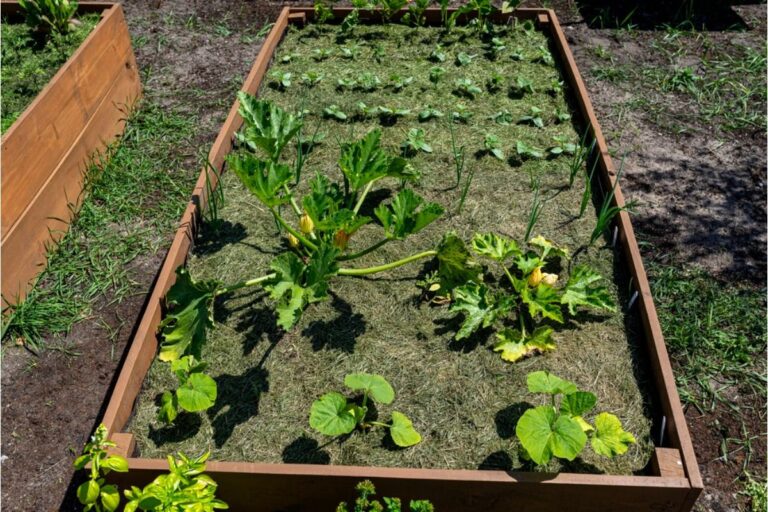
They walked through raised beds, examined compost systems, and listened as homeowners explained how carefully each space was maintained. Officials admitted many gardens looked far different from the neglected properties that originally inspired portions of the ordinance.
Seeing everything firsthand changed the tone of the discussion.
A Compromise Slowly Took Shape
Over the following weeks, city planners met with gardeners, neighborhood associations, and environmental groups.
Rather than treating every property the same, they began discussing practical guidelines that distinguished maintained family gardens from neglected lots.
The revised proposal focused on safety, drainage, and reasonable maintenance standards without unnecessarily disrupting established gardens.
For the first time since receiving the notice, we felt hopeful.
Waiting for the Final Vote
The evening of the city council vote felt longer than any harvest season I could remember.
Residents packed the meeting room carrying photographs, journals, and baskets filled with vegetables grown in local backyards. Nobody interrupted the proceedings.
When the final recommendation was presented, several council members acknowledged the importance of protecting neighborhood traditions while still addressing legitimate community concerns.
Every person in the audience leaned forward waiting for the outcome.
A Tradition Earned Another Chance
The council approved revisions allowing existing, well maintained family vegetable gardens to continue under practical guidelines instead of impossible restrictions.
Applause filled the room before the official announcement had barely ended.
My father squeezed Grandpa’s shoulder without saying a word. Grandpa simply smiled, folded the old photograph back into his pocket, and whispered, “Looks like we’ll be planting again.”
That single sentence carried three generations of relief.
Spring Returned With New Meaning
A few weeks later we gathered in the backyard exactly as we always had.
My grandmother handed out seed packets while children argued over who would water the tomatoes first. Grandpa no longer had the strength to dig, but he pointed to each row and reminded us where every crop belonged.
Neighbors stopped by throughout the afternoon offering encouragement instead of worrying about the future. Even several city employees visited privately to thank families for participating respectfully throughout the process.
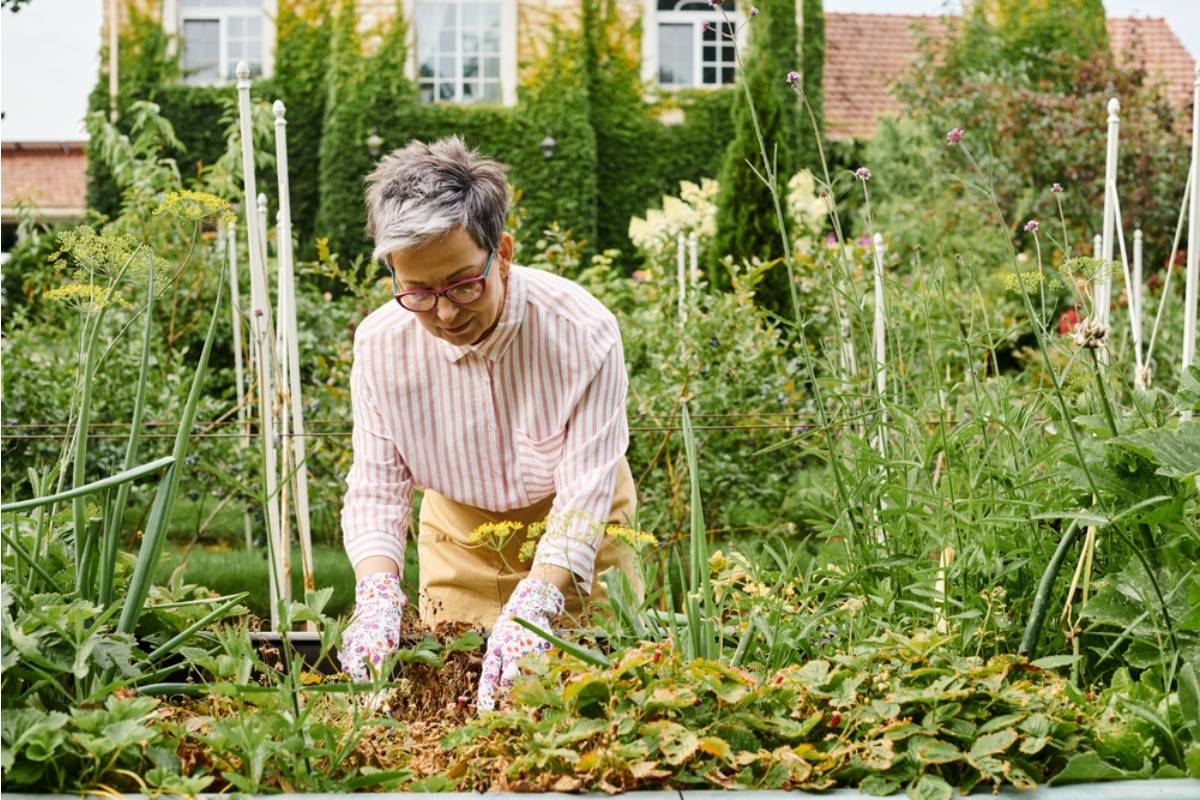
As I pressed the first bean seeds into the soil, I realized we had protected much more than a garden. We had preserved family history, strengthened our community, and shown that traditions can survive change when people choose conversation over conflict. The vegetables would eventually fill our tables again, but the greatest harvest that spring was knowing another generation would grow up learning the same lessons that began in this backyard so many years before.