Some Backyard Gardeners Are Growing Food in the Front Yard to Maximize Sun, And the HOA Is Now Threatening Fines
In a suburban community in Texas, a small group of homeowners had started shifting parts of their vegetable gardens from the backyard to the front yard in order to capture better sunlight and improve yields. What began as a practical response to shaded backyards quickly became a visible change across several streets.
Tomatoes, peppers, and herbs began replacing ornamental shrubs and trimmed grass in front lawns. At first, a few neighbors found it interesting and even innovative. But as more yards changed, the homeowners association stepped in with warnings that turned the situation into a neighborhood dispute.
The first front yard transformation
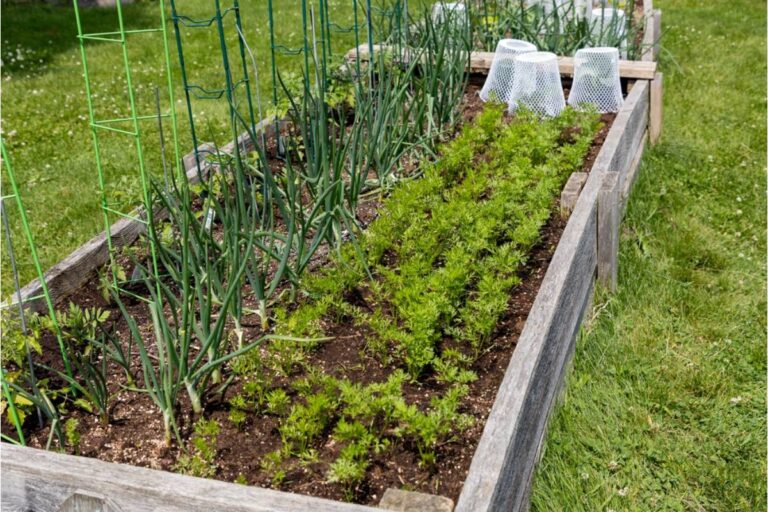
It started with a single house on Maple Drive where Daniel moved his raised beds from the backyard to the front after struggling with poor sunlight. He arranged wooden planters neatly along the walkway and planted tomatoes and basil. The plants thrived almost immediately, growing fuller and healthier than anything he had managed before. Neighbors walking by slowed down to look, unsure if it was temporary or intentional. Daniel saw it as a simple solution to a gardening problem.
Other homes begin to follow
Within weeks, two more houses on the same street made similar changes. One family replaced their front lawn entirely with vegetable beds, while another added containers along their driveway. The results were visibly more productive gardens and greener plants than the shaded backyards had ever produced. People began talking about whether this was a new gardening trend or just a local experiment. The street slowly started to look less uniform and more functional.
The first HOA notice arrives
The homeowners association sent out a general notice reminding residents that front yard modifications must comply with appearance guidelines. The message did not name anyone directly but referenced “non traditional landscaping changes.” Daniel and others realized the warning was aimed at their new gardens. Some residents were confused because nothing seemed damaged or unsafe. Others felt the HOA was reacting to appearance rather than practicality.
A neighbor raises formal complaints
One resident filed a complaint stating that vegetable gardens in front yards were affecting the “visual consistency” of the neighborhood. She argued that property values could be impacted if lawns were replaced with crops. Daniel was surprised because his garden was neat and well maintained. The complaint triggered an official review by the HOA board. What had been a small gardening adjustment suddenly became a formal issue.
The HOA inspection visit
A board representative walked through the neighborhood taking photos of several front yard gardens. He noted the variety of crops, fencing, and planter arrangements. Daniel explained that the change was necessary due to lack of sunlight in his backyard. The representative acknowledged the reasoning but said guidelines prioritized uniform curb appeal. The visit ended without any immediate decision.
Support from unexpected neighbors
During a casual street discussion, several neighbors expressed support for the gardens. One resident mentioned that the produce looked healthier than anything from store shelves. Another said she preferred the natural, lived in look over uniform grass lawns. This divided opinion made the situation more complicated for the HOA. It was no longer a simple compliance issue but a neighborhood debate.
The warning of possible fines
A follow up notice from the HOA stated that continued non compliant front yard modifications could result in fines. This alarmed several homeowners who had already invested time and money into their gardens. Daniel felt frustrated because his changes were improving food production, not harming the neighborhood. Some residents considered reverting their yards back to grass to avoid penalties. Others refused to change anything unless forced.
A tense HOA meeting
A community meeting was held in the local clubhouse where residents and board members discussed the issue. Homeowners explained how backyard shade made traditional gardening impossible. The HOA argued that visual standards were necessary for maintaining neighborhood identity. The discussion grew tense as both sides defended their priorities. No agreement was reached by the end of the meeting.
A compromise proposal emerges
One board member suggested allowing front yard gardens if they followed structured design rules, such as defined borders and height limits. Some residents welcomed the idea, seeing it as a reasonable middle ground. Others felt it restricted their ability to grow crops effectively. Daniel thought it might work if it did not reduce sunlight access. The proposal was left open for further review.
Temporary adjustments begin
A few homeowners started modifying their gardens to meet potential guidelines. They added decorative edging, trimmed taller plants, and reorganized layouts. While this made the gardens look more uniform, it also slightly reduced planting space. Daniel hesitated to make changes until a final decision was reached. The uncertainty created tension across the street.
A surprising inspection result
When the HOA returned for a second review, they noted that the gardens were well maintained and not causing any safety issues. However, they still emphasized concerns about neighborhood appearance standards. Residents were frustrated that no clear rule had been finalized. The inconsistency made enforcement unclear. People began questioning whether fines would actually be issued or just threatened.
The community remains divided
As weeks passed, some residents continued gardening in their front yards while others returned to traditional lawns. The street became a mix of green grass and productive vegetable plots. Daniel kept his garden exactly as it was, prioritizing function over uniformity. The HOA delayed any enforcement decisions while revising guidelines. The situation settled into an uneasy balance where practicality and appearance continued to compete for space in the neighborhood landscape.