A Woman’s Childhood Earth Day Sapling Became a Memorial to Her Beloved Dog, Then the City Announced a Sidewalk Project That Could Destroy the Tree Until One Unexpected Fight Changed Everything
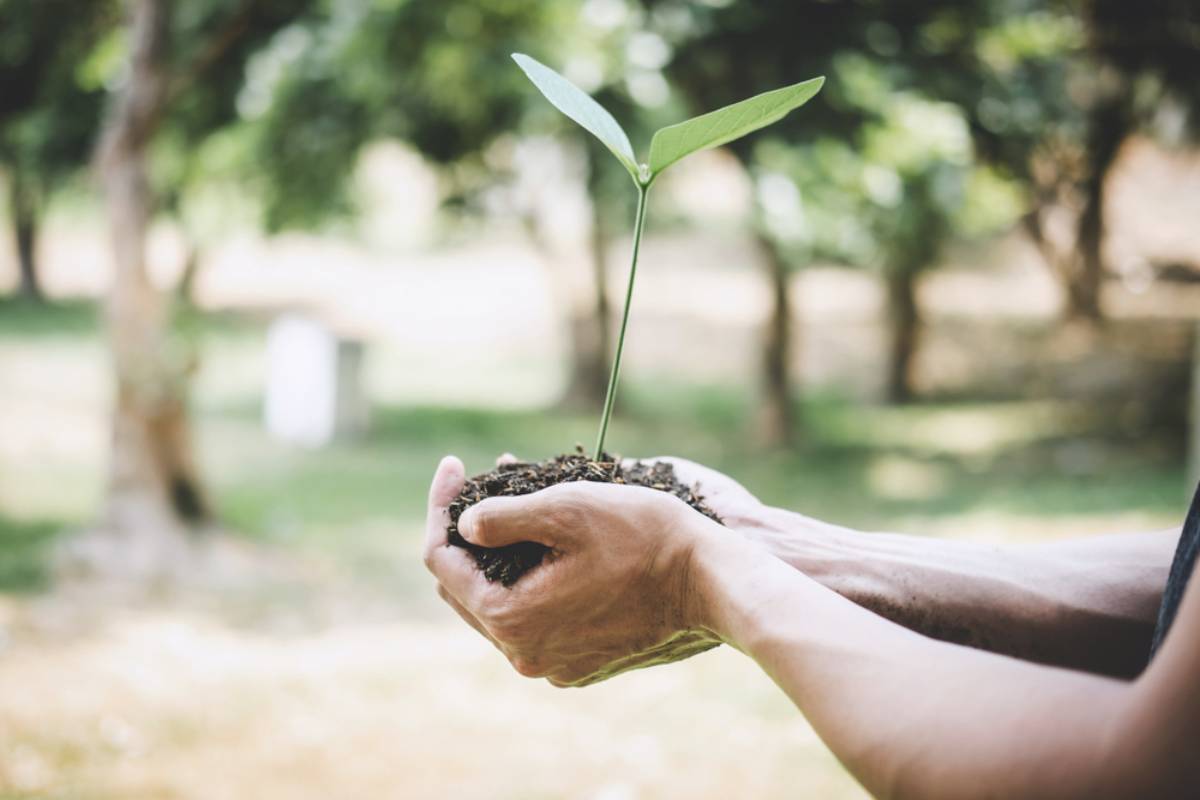
A person shared his story about a tree that had been part of his family’s backyard for decades, long before anyone imagined it could become the center of a major dispute. When he was in elementary school, he received the tiny sapling as an Earth Day gift and carried it home on the school bus. His parents planted it in their backyard, where they watered it, cared for it, and watched it grow year after year. What began as a small environmental celebration eventually became one of the most meaningful living things in the family’s garden.
The tree was more than just another feature of the landscape, with its growing branches providing a reminder of childhood memories and years spent at home. As the seasons changed, it continued standing in the same backyard while the child who brought it home grew into an adult. Trees often become part of a family’s history without anyone realizing how deeply attached everyone has become. In this case, however, the tree’s sentimental value was about to become far more important than anyone expected.
A Garden Tree With a Much Deeper Meaning
Over the years, the sapling transformed into a mature tree that had earned its place in the family’s outdoor space. It was no longer simply a plant that needed occasional watering or pruning, but a living reminder of a childhood that could never be repeated. The family had maintained its health and watched it develop for more than two decades. Its presence had become so familiar that imagining the backyard without it was difficult.
There was another reason the tree mattered so much to its owner, making the situation even more emotional than an ordinary landscaping disagreement. After the family’s beloved dog passed away, the tree became a memorial to the pet. Every branch and patch of shade carried a little more meaning because it was connected to memories of someone the family had loved. Losing the tree would therefore mean losing a piece of the garden and a symbol of a cherished companion.
Then the City Arrived With a Sidewalk Plan
The peaceful backyard routine changed when the city proposed a new sidewalk project along the street beside the family’s property. The planned work was intended to improve pedestrian access, and the proposed sidewalk would run near the boundary between the backyard and the road. The owner understood that the city needed to carry out public infrastructure projects and recognized that work within an appropriate public easement could be legitimate. The problem was that the proposed construction appeared to threaten vegetation that the family believed was safely within its own property.
At first, the project might have sounded like an ordinary neighborhood improvement, the sort of thing people expect to see when streets receive upgrades. But the plans reportedly included removing the sentimental tree, along with bushes, shrubs, and other trees belonging to nearby homeowners. The stated concern was that the construction crew needed sufficient room to work. Suddenly, a project intended to improve the neighborhood was threatening some of the very greenery that made its gardens feel established and welcoming.
The Tree Was Not Supposed to Be in the Way
The owner was especially troubled by the proposed removal because the tree appeared to stand inside the family’s property boundaries rather than on the city’s easement. The backyard fence marked the boundary line, and the family believed its tree and surrounding plants were on their side of it. From the owner’s perspective, the city was proposing to remove healthy, established vegetation simply to make construction more convenient. That raised an uncomfortable question about whether the project could be adjusted to avoid unnecessary damage.
Property boundaries can become surprisingly complicated when sidewalks, utility work, and landscaping meet in the same narrow strip of land. A public easement may grant certain rights to use or access land without automatically making every nearby part of a private yard public property. The precise legal situation depends on local rules, recorded property documents, and the rights granted to the city. For the family, establishing those details became an important part of figuring out how to protect the tree.
Other Homeowners Faced the Same Problem
The threatened tree was not the only piece of greenery caught up in the proposed construction plans. According to the account, other neighbors also faced the possible removal of trees and shrubs that appeared to be within their property boundaries. That detail made the situation feel less like an isolated misunderstanding and more like a neighborhood-wide landscaping problem. Several families could potentially lose plants that had taken years to establish.
For gardeners, mature trees are not easily replaced with a quick trip to a nursery. A newly planted sapling might eventually reach the same size, but it cannot immediately provide the shade, wildlife habitat, established roots, and visual character of an older tree. The same applies to mature shrubs and carefully developed garden borders, which may have taken years to shape. What looked like a convenient construction decision on a planning document could therefore leave lasting changes across several backyards.
Why Simply Planting Another Tree Was Not Enough
Someone might suggest that the family could solve the problem by planting a replacement tree somewhere else in the garden. On paper, that sounds simple, especially to anyone who views trees primarily as decorative features. But a replacement would not restore the original tree’s decades of growth or its connection to the owner’s childhood. It would also fail to replace the role the tree played as a memorial to the family’s dog.
Mature trees contribute much more than their appearance, particularly in established residential gardens. Their canopies provide shade, their roots interact with the surrounding soil, and their branches can create habitat for birds and other wildlife. Depending on the species and location, replacing a large tree can take many years and may require careful planning. For this homeowner, the emotional loss alone was enough to make finding an alternative to removal worth pursuing.
The Owner Decided Not to Give Up Quietly
Rather than immediately accepting the proposed removal, the owner began looking for ways to challenge the plan. He wanted advice from people who understood property boundaries, tree protection, and the rules governing municipal construction projects. The question was not simply how to keep a plant alive, but how to persuade the city to complete its work without destroying something the family had treasured for decades. The owner was determined to explore every reasonable option before the tree faced a final cut.
Attending public meetings was among the steps he planned to take. Those meetings offered an opportunity to learn more about the proposal, ask questions, and make the consequences of the design visible to the people responsible for approving it. The owner also needed to understand which departments or officials could review the plans and whether changes were still possible. Instead of treating the decision as inevitable, he began approaching it as a problem that might still have a solution.
The Family Needed More Than an Emotional Argument
Although the tree’s history made a compelling story, sentimental value alone might not persuade a city to change an approved construction plan. The owner needed to understand the project’s technical details, including the exact work area, property boundaries, and the reason the tree was considered an obstacle. Clear photographs and copies of the proposed plans could help show where the tree stood in relation to the sidewalk. A survey or review of property records could also help clarify whether the proposed work would affect private land.
A response from a person familiar with tree and property disputes might encourage the owner to document the situation carefully and ask the city for a written explanation. Questions about construction access, alternative sidewalk placement, and the limits of any easement could help turn a general complaint into a specific request. Consulting a local property attorney or qualified arborist could also be useful if the situation required professional guidance. The important thing was to establish the facts before the construction plans became too difficult to change.
A Public Meeting Became an Important Opportunity
Public meetings can sometimes feel intimidating, especially when residents believe a decision has already been made. Yet they provide a chance to raise concerns while officials are discussing how a project should proceed. The owner planned to attend the relevant meetings and explain why the tree mattered, while also questioning whether its removal was genuinely necessary. Every opportunity to ask for clarification could help reveal whether the design had room for adjustment.
The challenge was to make the case without allowing frustration to overshadow the practical issues. Officials needed to understand that the tree was believed to be outside the public easement and that removing it would affect a long-established garden. A clear request for the project team to examine alternative layouts could be more useful than simply demanding that the construction stop. For the owner, the meetings represented a chance to turn private worry into a public discussion about the neighborhood’s greenery.
The Neighbors Had Something to Lose Too
As the owner considered how to respond, the presence of other threatened trees and shrubs added another dimension to the dispute. Neighbors could have their own reasons for wanting established plants preserved, from shade and privacy to memories associated with their gardens. If several residents raised similar concerns, officials would have a clearer picture of the project’s broader impact. What began as one person’s fight to save a childhood tree could become a shared effort to reconsider how the sidewalk was designed.
There was also an opportunity to ask whether construction access could be managed differently without removing so much vegetation. Depending on the site, engineers may be able to examine alternative alignments, staging arrangements, or work methods. None of those possibilities guarantees that every tree can be saved, but they are reasonable questions when a proposed design threatens established landscaping. Sometimes, the most productive challenge to a construction plan is not opposing the entire project but asking whether it can achieve its purpose with less damage.
The Garden Became a Symbol of Something Bigger
By this point, the dispute had grown beyond a single tree in a backyard. It raised questions about how communities balance pedestrian infrastructure with the mature trees and gardens that give residential streets their character. Sidewalks can improve accessibility and safety, but construction decisions can also have lasting effects on private landscaping and neighborhood greenery. Finding a workable balance requires careful planning rather than assuming that established vegetation is always expendable.
For the owner, the stakes remained deeply personal because the tree connected several chapters of his life. It had begun as a schoolchild’s Earth Day gift, survived decades of changing seasons, and later become a memorial to a beloved dog. The city’s proposed project threatened to erase that history for a reason the owner believed might be avoidable. Protecting the tree therefore became a way to defend not only a garden feature but also the memories attached to it.
The Effort to Save the Tree Started Gaining Momentum
The owner’s decision to seek advice and prepare for public meetings marked a shift from helpless frustration to determined action. Instead of waiting for construction crews to arrive, he began exploring ways to influence the decision while the proposal was still being considered. Gathering information, contacting the appropriate officials, and making a clear case for preserving the tree gave the effort a practical direction. The outcome was still uncertain, but the owner had reasons to keep pushing.
The key was persistence combined with a willingness to consider workable alternatives. A city may be more open to revising a design when residents identify a specific problem and present a reasonable solution. Even when an initial plan appears settled, engineering reviews and public feedback can sometimes reveal options that were overlooked. In this case, the owner’s refusal to give up would eventually lead to a development that changed the entire story.
The Fight Continued Beyond the First Round of Meetings
The original appeal for help was made in September 2025, but the effort to protect the tree did not end with that first request. In a later update published in June 2026, the owner described continuing to work toward a solution. The effort involved writing letters, attending meetings, communicating with city officials, and considering ways to bring wider public attention to the proposal. Each step was intended to make the tree’s removal less inevitable.
The owner also received support from people who helped turn the concern into a more organized appeal. One particularly useful contribution was a letter drafted with assistance from someone familiar with the issues involved, which could be presented to city planners. The effort was no longer limited to explaining why the tree mattered emotionally. It had developed into a sustained attempt to persuade the people responsible for the project to reconsider their plans.
Then Came the Twist Nobody Expected
After months of persistence, the owner reported the result he had been hoping for: the official sidewalk plans had been changed. Rather than placing the sidewalk along the side of the street that threatened the family’s backyard, the revised plan would put it on the opposite side. That change meant the tree, along with the family’s backyard, would remain untouched. The childhood sapling that had seemed destined for removal had won a reprieve.
The resolution was especially meaningful because it did not depend on replacing the tree or accepting its destruction as an unavoidable cost of progress. Instead, the project’s layout changed, allowing the city to pursue its sidewalk plans while preserving the family’s cherished tree. The owner expressed gratitude for the support and advice received during the long process. After all the uncertainty, the garden was allowed to keep a living piece of its history.
A Childhood Sapling Earned Another Thirty Years
The successful outcome offered a satisfying ending to a story that had begun with a tiny tree carried home on a school bus. The owner hoped to enjoy another thirty years with the tree, extending the connection between childhood memories, family life, and the garden. Its survival meant that the tree could continue serving as a memorial to the family’s dog rather than becoming a painful reminder of a construction project. What once looked like a losing battle had become a lesson in the value of speaking up.
For gardeners, the story is a reminder that mature trees deserve careful consideration whenever construction plans threaten established landscaping. Documenting property boundaries, asking informed questions, attending public meetings, and communicating with officials can sometimes open doors that initially appear closed. Not every dispute will end with a revised plan, and property rights vary by location, but early action can make a meaningful difference. In this case, one determined homeowner helped save a childhood tree, proving that sometimes the best way to protect a garden is to make sure the people planning around it understand what would be lost.