The Elderberry Trees Kept Dying in Perfect Circles, Until a Homeowner Realized Something Was Crossing the Property Line
A person shared his story about a garden that had slowly become a source of stress instead of a place to relax. His property included landscaping, native pollinator plants, a few elderberry trees, and a chicken coop tucked into an area where the birds could enjoy some privacy. Everything had been growing normally until strange damage began appearing throughout the yard.
At first, the changes were easy to dismiss as bad luck or ordinary garden problems. Plants failed to emerge, established growth began dying, and patches of grass suddenly turned brown. But as the season continued, the damage became too consistent to ignore, especially because some of the affected areas seemed to have appeared in places that made very little sense.
The Elderberry Tree Was the First Big Warning
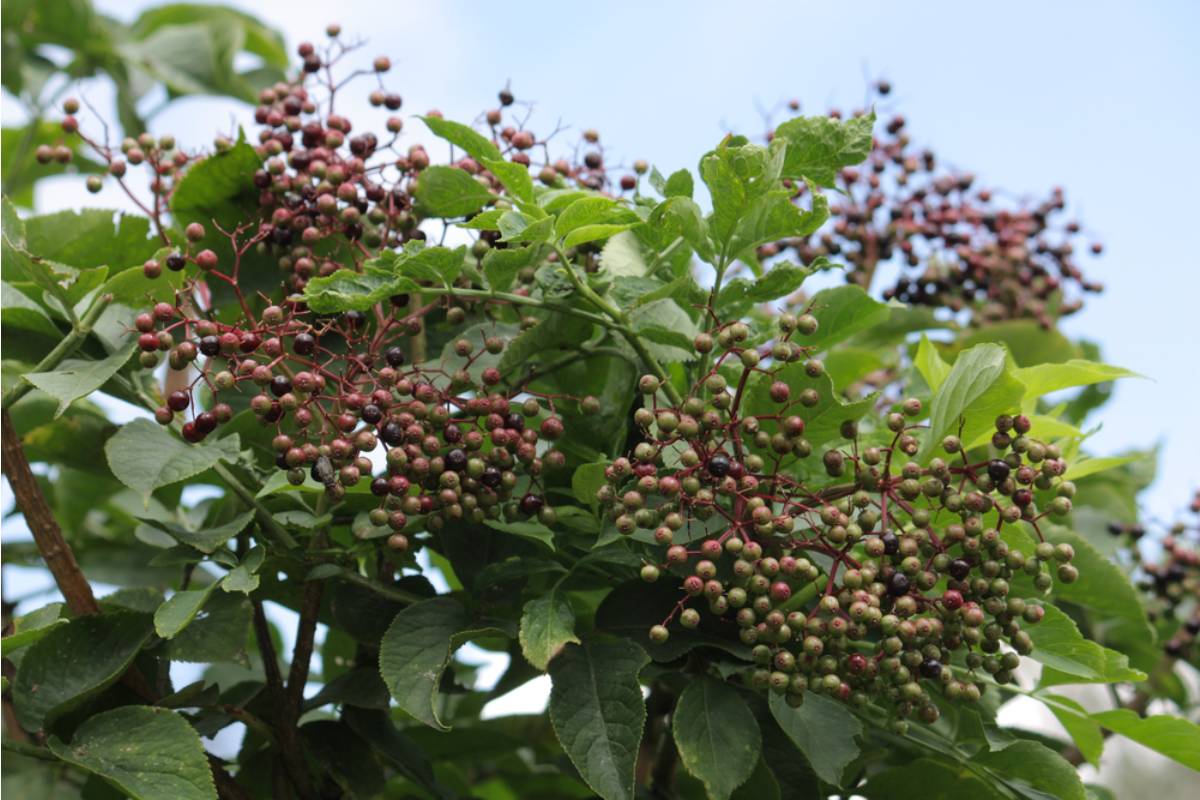
The elderberry trees were particularly important because the homeowner collected their berries each year to feed the chickens. One of the trees grew beside the chicken coop, safely away from the neighboring property but close enough for the birds to enjoy the area. Then that particular elderberry began looking increasingly unhealthy after being damaged more than once.
The tree was no longer producing berries the way it normally did, which immediately raised a bigger concern than losing a garden crop. If the damage was actually caused by herbicide, the homeowner worried that the chemicals could also be affecting the chickens or the family dog. Suddenly, what looked like a dying plant had become a possible animal-safety problem.
Then the Grass Began Dying
A few days later, the homeowner walked outside and discovered several random circles of dead grass scattered around the property. They were not ordinary brown patches caused by drought or a mower accident. The shapes were unusual enough to make the homeowner stop and stare at them.
Some of the circles appeared among the native plants as well. One mist flower patch had a fairly large, almost perfectly circular area of dead vegetation in its center, while the plants around the outside remained alive and green. It looked less like a garden struggling naturally and more like someone had drawn invisible targets across the yard.
The Damage Was Spreading Through the Garden
The homeowner said signs of possible herbicide damage had been appearing around the property since spring. Some plants never grew properly, while others seemed to die after previously doing well. Every new damaged patch made it harder to believe that the garden was simply experiencing an unlucky growing season.
For someone who had invested time into native plants and pollinator-friendly landscaping, watching those plants disappear was especially frustrating. A garden can take months or years to establish, so losing mature plants is not as simple as replacing a few annual flowers. The homeowner was also becoming increasingly uncomfortable spending time outside because the source of the damage remained unknown.
The Chicken Coop Made Everything More Serious
The location of the elderberry tree created another layer to the mystery. The tree was positioned right beside the chicken coop, while the coop itself was apparently placed so the neighbor did not have to look directly at the birds. That meant anything happening around the tree potentially affected an area where the chickens regularly lived and moved around.
The homeowner was no longer thinking only about leaves and flowers. There were animals potentially wandering through the affected area, and the possibility of chemical exposure made every damaged plant more concerning. Even harvesting berries that had previously been part of the chickens’ routine suddenly felt like a decision that needed much more caution.
A Person Suggested Looking for Evidence
A response from a person focused on the most practical issue: evidence. Instead of trying to prove what happened from the appearance of damaged plants alone, they suggested using cameras and documenting every suspicious incident.
That advice immediately made sense because the homeowner already had a few Ring cameras, but none were pointed toward the areas where the damage was appearing. The homeowner had intentionally avoided positioning cameras toward other people’s houses or property because they did not want to become the kind of neighbor who constantly watched everyone else. Unfortunately, that caution had left the most important parts of the garden outside the camera’s view.
Hidden Cameras Became Part of the Plan
Another response from a person suggested using trail cameras because they could be placed discreetly near the garden. Unlike a large visible security camera, a small wildlife camera could monitor the elderberry tree, chicken coop, or damaged plants without becoming the centerpiece of the yard.
The idea changed the situation from guessing to watching. If someone was actually entering the property or spraying plants, a camera could potentially capture the event rather than leaving the homeowner with nothing more than dead leaves and suspicions. It also meant the homeowner could document patterns without spending every afternoon standing guard beside the flower beds.
The Garden Might Hold the Evidence
A response from a person also suggested having damaged plant material or soil examined by an agricultural or university resource. If herbicide exposure had occurred, testing could potentially provide useful information about what the plants or soil had been exposed to.
That suggestion offered a second path toward answers. A camera could potentially show who was responsible, while testing might help establish whether the unusual plant damage was actually consistent with chemical exposure. Instead of relying entirely on appearances, the homeowner could begin building a record from physical evidence.
The Perfect Circles Created a New Mystery
Not everyone immediately agreed that herbicide explained the circular patches. One response from a person suggested that perfectly round dead spots could sometimes be associated with dog urine, which can damage grass in distinctive patterns. Another response pushed back, arguing that the unusual shapes deserved more investigation before anyone decided what had caused them.
That disagreement actually highlighted an important part of the mystery. The homeowner knew the plants were dying, but knowing that something was wrong was not the same as knowing exactly what caused it. The circles could have been a clue, a coincidence, or evidence of something entirely different.
Then Came the Strange Smell
The mystery became even stranger when the homeowner described noticing a powerful cologne-like smell while spending time outside. The smell seemed particularly noticeable on the property and reportedly appeared frequently when the homeowner was working in the gardens.
The reaction was immediate enough to make gardening difficult. The homeowner described developing a headache along with an unusual menthol-like sensation in the nose and mouth before retreating indoors. Yet there was still no clear answer about where the smell was coming from, making the entire situation feel increasingly unsettling.
The Problem Was Bigger Than the Garden
While the plants were already causing stress, the homeowner was also dealing with another neighborhood problem. People farther down the street frequently played loud music, with the bass apparently traveling into the house even when the homeowner was indoors.
One night, the music continued until around three in the morning, and the homeowner initially tried to tolerate it because of the holiday. But the following morning, the music started again around nine, turning what should have been a quiet day into another long stretch of thumping noise. The problem reportedly also happened on ordinary weekdays, sometimes continuing for several days.
Going Outside No Longer Felt Peaceful
Gardening is usually an escape from household stress, but the homeowner had reached the point where even stepping outside felt uncomfortable. The garden that should have been a peaceful place had become an area filled with questions about dead plants, strange smells, damaged grass, and possible trespassing.
That was perhaps the most heartbreaking part of the story. The homeowner was not simply complaining about losing a few plants or hearing occasional neighborhood noise. After dealing with these problems for roughly two years, the person described feeling as though home itself had stopped feeling like a safe and peaceful place.
A Fence Could Change the Battlefield
Some responses focused on physical barriers rather than investigation. One person suggested improving the fence, adding privacy slats if possible, and securing gates so that access to the property would be more difficult.
For a garden surrounded by uncertainty, a stronger boundary could serve several purposes at once. It could protect the chickens, create more privacy, and make it easier to establish exactly where the homeowner’s property began and ended. Combined with cameras and documentation, the fence could turn the garden from an exposed space into a much more controlled environment.
The Agricultural Office Could Know What Happened
Another response from a person suggested contacting the local agricultural commissioner or agricultural department about possible herbicide drift. The idea was not simply to accuse a neighbor but to ask whether someone qualified could inspect the damage and determine whether chemical exposure was plausible.
A university extension office was also suggested as another possible source of expertise. Gardeners often recognize common plant diseases and environmental problems, but unusual chemical damage can be much harder to identify by sight alone. Having an experienced agricultural professional examine the plants could therefore provide a valuable piece of the puzzle.
The Neighbor Could Always Deny It
One response from a person pointed out the obvious problem with making an accusation without proof. If there were no photographs, recordings, messages, or other evidence, the neighbor could simply claim the plants had been damaged by pests, weather, animals, or some other natural cause.
That possibility made documentation even more important. A photograph of a dead plant showed that damage existed, but a dated series of photographs could show how quickly it developed and exactly where it occurred. If something eventually appeared on camera, the difference between suspicion and evidence could become enormous.
Then Someone Suggested a Simple Question
One response from a person proposed a surprisingly direct approach. Instead of immediately making an accusation, the homeowner could ask the neighbor what kind of herbicide they were using and casually mention that it seemed to be working very well on the elderberry bushes.
It was the sort of question that could reveal more than a confrontation might. If the neighbor knew nothing about the damage, the conversation might at least clarify that. If they suddenly became defensive or revealed information they should not have known, the homeowner might have another clue to add to the growing collection of evidence.
The Chickens Became the Biggest Concern
Several responses returned to the animals because the garden damage potentially extended beyond plants. The chickens spent time around the coop and elderberry tree, while the dog could also come into contact with vegetation or soil on the property.
One response from a person asked the question that probably mattered most to the homeowner: whether the chickens had shown any signs of becoming sick. It was a simple question, but it captured why the situation had become so serious. Losing flowers was frustrating, but the possibility of harming animals turned a neighborhood dispute into something much more alarming.
The Twist Was That Nobody Knew the Real Culprit
The strangest part of the entire story was that the homeowner still did not have a definite answer about who was responsible for the damage. There were dead plants, strange circular patches, an unhealthy elderberry tree, unusual smells, and years of neighborhood conflict, but none of those clues alone proved exactly what had happened.
That left the garden sitting at the center of an unfinished mystery. The next chapter would not necessarily be about another argument with a neighbor, but about cameras, samples, records, and finally finding out whether the strange damage was deliberate or had another explanation. Until then, every new brown patch in the garden had the homeowner wondering whether it was simply a gardening problem or the latest clue hiding in plain sight.