An American Teacher Donated $5,000 to Help a Chinese Farmer Fight Desertification, Then Returned 27 Years Later to See a Forest of More Than 50,000 Trees
In 1999, American teacher Ronald Sakolsky was working in Luoyang, Henan Province, China, when a television report introduced him to Yin Yuzhen, a farmer working to combat desertification in Inner Mongolia. Her efforts to plant trees in the Mu Us Sandy Land moved him deeply. As reported by PEOPLE, the story inspired him to find a way to support her work.
He Decided That Watching Was Not Enough
Sakolsky wanted to do something practical to help Yin continue planting trees. He contacted several organizations in the United States while searching for financial assistance. His efforts eventually led to a charity that agreed to provide $5,000 for the project, according to reporting by the South China Morning Post.
The $5,000 Donation Helped Fund Tree Planting
The money was intended to support Yin’s work in an area affected by desertification. She and her family were working to establish trees in the sandy landscape, where restoring vegetation required sustained effort. The donation became part of a project that would continue long after Sakolsky’s initial involvement.
The Two Met in Person in 2000
In the spring of 2000, Sakolsky traveled to Inner Mongolia to meet Yin and see her work firsthand. During that visit, they planted a tree together. Their meeting established a personal connection that would become significant when they reunited more than two decades later.
Sakolsky Returned to the United States
After the visit, Sakolsky went back to the United States, while Yin continued her work in China. Over time, the two lost contact, and years passed without another meeting. Yin, however, continued pursuing the environmental work that had first brought them together.
The Forest Continued to Grow Without Him
Yin’s work did not stop when the original donation was spent. She and her family continued planting and caring for trees in the Mu Us Sandy Land, gradually developing the area over many years. The forest’s growth reflected a long-term commitment to restoring the landscape rather than a single planting event.
The Trees Became a Lasting Reminder of Their Connection
The forest became associated with Sakolsky’s Chinese nickname, Sai Kaosi. Its name preserved a connection to the teacher whose donation had helped support Yin’s efforts. The story of the forest would eventually bring renewed attention to both of their contributions.
More Than 50,000 Trees Had Grown
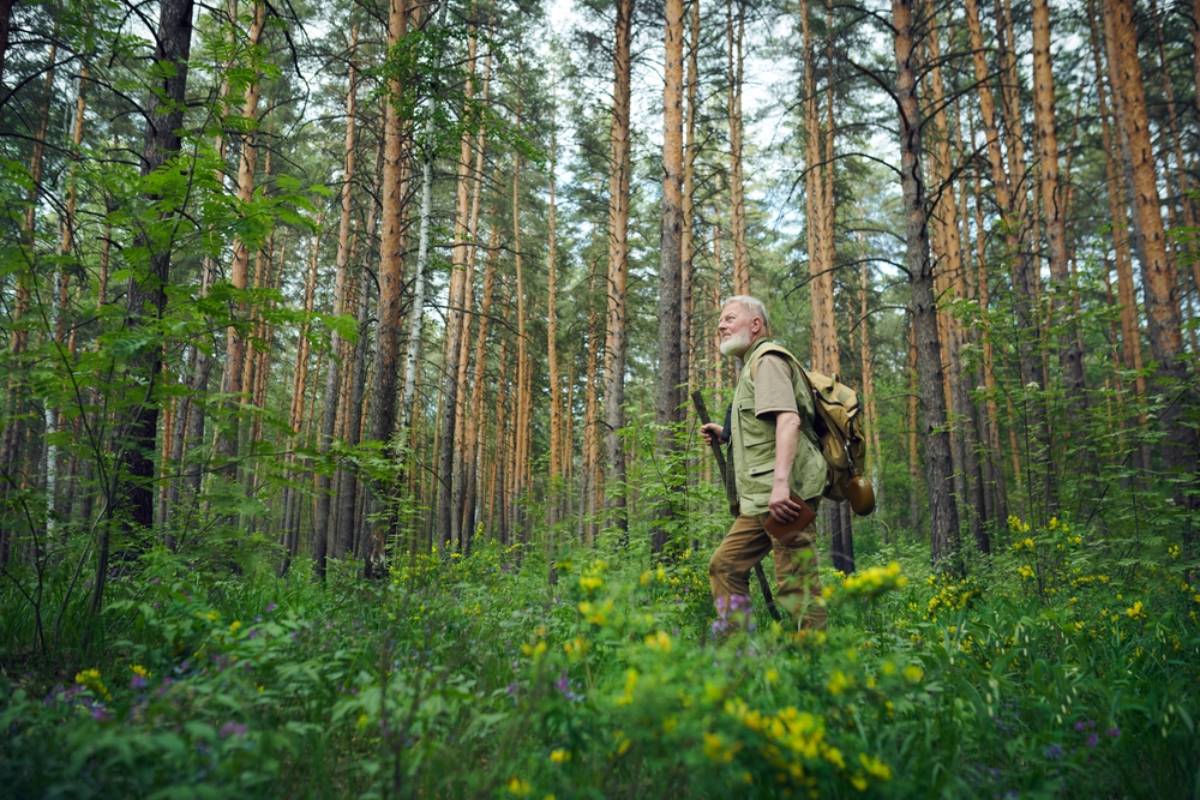
By the time Sakolsky returned to China in 2026, reports described more than 50,000 trees growing in the forest associated with the project. What had once been a sandy landscape had changed substantially over the intervening years. The scale of the growth gave Sakolsky an opportunity to see the results of Yin’s sustained work.
Yin Began Searching for Her Former Supporter
In May 2026, Yin sought to find the American who had supported her tree-planting efforts decades earlier. Her search attracted attention after she appealed publicly for help reconnecting with him. According to City News Service’s report from May 19, 2026, Sakolsky was eventually identified in the United States.
An Invitation Made Another Visit Possible
After the two reconnected, Yin invited Sakolsky to return to China and see the forest. He was surprised to learn how much the landscape had changed since his earlier visit. The invitation gave him the chance to revisit the place where their shared story had begun.
Their Reunion Took Place in August 2026
Sakolsky traveled back to China in August, arriving in Inner Mongolia to meet Yin again. Their reunion took place at Ordos Ejin Horo Airport on August 23, 2026. According to City News Service’s coverage of the reunion, the two embraced emotionally after 26 years apart.
He Finally Saw the Forest for Himself
After their reunion, Sakolsky visited the forest and witnessed the results of the years of tree planting. He had previously seen photographs and heard accounts of the transformation, but the visit allowed him to experience it directly. His reaction reflected the difference between knowing that a project had succeeded and seeing its results in person.
Yin Had Prepared for His Return
The reunion was not simply an opportunity to look back at the past. Yin had prepared to welcome Sakolsky and show him what had grown from the planting effort. Their meeting brought the original donation back into focus while highlighting the work that had continued long after it was made.
They Planted Another Tree Together
During the visit, Sakolsky and Yin planted another tree, echoing their first planting together in 2000. The new tree connected their reunion with the beginning of their relationship more than two decades earlier. Their shared activity also marked the continuing nature of the environmental project.
The Visit Included a Return to His Former School
Sakolsky’s trip also took him back to Luoyang, where he had worked as an exchange teacher. On August 28, he and Yin visited Luoyang No. 2 Foreign Language School and planted a friendship tree there. China.org.cn’s report, based on Xinhua, documented the visit and the pair’s return to the place where their story had first taken shape.
Sakolsky Recognized Yin’s Central Role
Although his donation helped support the original project, Sakolsky recognized that Yin’s continued work was central to the forest’s development. She and her family had spent years planting and maintaining trees in challenging conditions. The results therefore represented sustained effort over decades, with the donation forming one part of that larger undertaking.
A Small Contribution Became Part of a Much Larger Effort
The original $5,000 donation was significant because it helped Yin purchase and plant saplings for her environmental work. However, the forest’s development depended on years of additional labor and care. The story illustrates how an initial contribution can support a project whose eventual results extend far beyond the moment the money was given.
Their Friendship Endured Across Decades
The reunion brought together two people whose lives had crossed because one teacher had been moved by a farmer’s environmental mission. Despite living in different countries and losing contact for many years, they were able to reconnect. Their meeting in 2026 gave both an opportunity to revisit the work that had first linked them.
The Forest Became a Record of Years of Work
The trees growing in the Mu Us Sandy Land represented more than the original donation. They reflected the years Yin and her family had devoted to planting and restoring the land. For Sakolsky, seeing the forest provided a direct connection to a project he had helped support when its future was still uncertain.
The Story Came Full Circle in 2026
Sakolsky first learned about Yin’s work through a television report in 1999, raised $5,000 to support it, and met her in person the following year. When he returned to China in August 2026, he found a forest containing more than 50,000 trees and reunited with the farmer who had continued the work. Their story brought together a long-term environmental effort, a renewed friendship, and the results of decades of perseverance.