Carrots Left in the Ground Can Be Harvested Into December or January Under 6 to 8 Inches of Straw or Leaves, Illinois Extension’s Richard Hentschel Says
A row of carrots can stay in the garden well past Thanksgiving if the soil under it never freezes solid. Richard Hentschel, a horticulture extension educator with University of Illinois Extension, laid out the method in a Nov. 9, 2017 post on late-season vegetable storage: cover the row with 6 to 8 inches of clean straw or loose leaves.
Hentschel wrote that this can keep carrots available for harvest into December, January or possibly February. The post is several years old, but the advice still matches what other extension programs publish for home gardeners, as the sections below show.
What Hentschel recommends for the row
The mulch has one job, which is to keep the soil from freezing hard. Hentschel says the layer should be deep, 6 to 8 inches, and made of clean straw or loose leaves. Carrots are then dug as needed, and the mulch is replaced each time so the rest of the row stays covered.
He offers a second route for gardeners who would rather not leave the row exposed. Harvest the carrots, bury them together at the end of the row, cover them well and retrieve them as needed, replacing the mulch each time.
Hentschel notes that carrots like high moisture, around 95 percent humidity, and tolerate temperatures down to freezing. Cold weather also makes them taste sweeter, he adds. Parsnips, turnips and radishes are stored the same way, and he suggests grouping carrots, parsnips and turnips together so they are easy to find at mealtime.
What other extension programs say
Newer guidance points the same direction. In West Virginia, WVU Extension’s carrot guide says fall plantings can stay in the garden after a light frost and should be mulched with straw before a freeze so they overwinter for later harvest. It recommends straw from a clean source that is free of herbicides, and notes that some varieties turn sweeter after a frost.
University of Maryland Extension gives the same advice for fall-planted carrots, which it says can be harvested throughout the winter months if mulched with an organic mulch of straw or shredded leaves. The mulch goes on before the ground freezes, the page says. For carrots meant for fresh use, it adds that harvest should come before they exceed 1 inch in diameter, about 65 to 75 days after planting, and that watering should ease off near harvest because excess moisture can crack the roots.
In Utah, the Daily Herald’s Garden Help Desk column, written by Utah State University Extension horticulture assistants Meredith Seaver and Elizabeth Binks, suggests covering the patch with straw or leaves over a breathable floating row cover, so the mulch and snow can be pulled back for harvest. If the soil is dry, they say to water a few days before covering.
The spring deadline for a winter row
A row left in the ground cannot stay there forever. The Utah column says carrots should be harvested by early to mid-spring, since warm weather breaks dormancy and carrots can flower, which lowers their quality.
The Utah writers also say trimming the green tops before covering is optional. Because the Illinois post recommends replacing the mulch after every dig, a row that is opened often needs the most attention to keep its cover deep.
Timing the planting so the row is ready
Row mulch is easier to manage when the carrots were planted for winter in the first place. WVU Extension suggests sowing fall carrots around Sept. 1 and recommends the variety Napoli for fall sowing and winter harvest, because it stays sweet in cold weather though it takes longer to mature. Seedlings with fewer than four to six leaves need protection, the guide says, while established plants can survive a frost or freeze.
An Oregon State University Extension project in Union County put this into practice. Union County Master Gardeners planted Bolero carrots in late July to early August 2024 and began harvests on Dec. 15. The project page suggests gathering leaves or straw around plant bases to insulate the soil, and floating row cover, which can add up to 8 degrees of buffer. It describes carrots that are hardy to at least 20 degrees without protection, and notes that snow provides significant insulation. The page gives germination at 7 to 21 days and maturity at about 75 days, up to 95 for fall planting, with an optional harvest in February for gardeners who want to push the row further.
Digging, trimming and storing what comes up
When the carrots do come out, WVU Extension says to grasp each one near where the foliage meets the root, wiggle it side to side to loosen it, then pull. For carrots stored indoors rather than in the row, the guide recommends removing the tops and keeping them at 35 to 40 degrees for a few months, unwashed until they are eaten, since washing shortens storage life.
Hentschel puts storage life for root crops stored this way at 2 to 3 weeks up to 4 to 6 months, depending on the crop. Maryland Extension says topped carrots kept indoors can last up to 4 to 5 months at 32 degrees and 90 to 95 percent humidity without noticeable quality loss, and advises cutting off and composting the green tops right after harvest to reduce moisture loss.
Hentschel closed his post with a simple rule for storage in general: store the best and eat the rest. A garden row under a deep blanket of straw gives that rule a few more months to work.
This article was produced with AI assistance and edited for accuracy against the sources linked above.
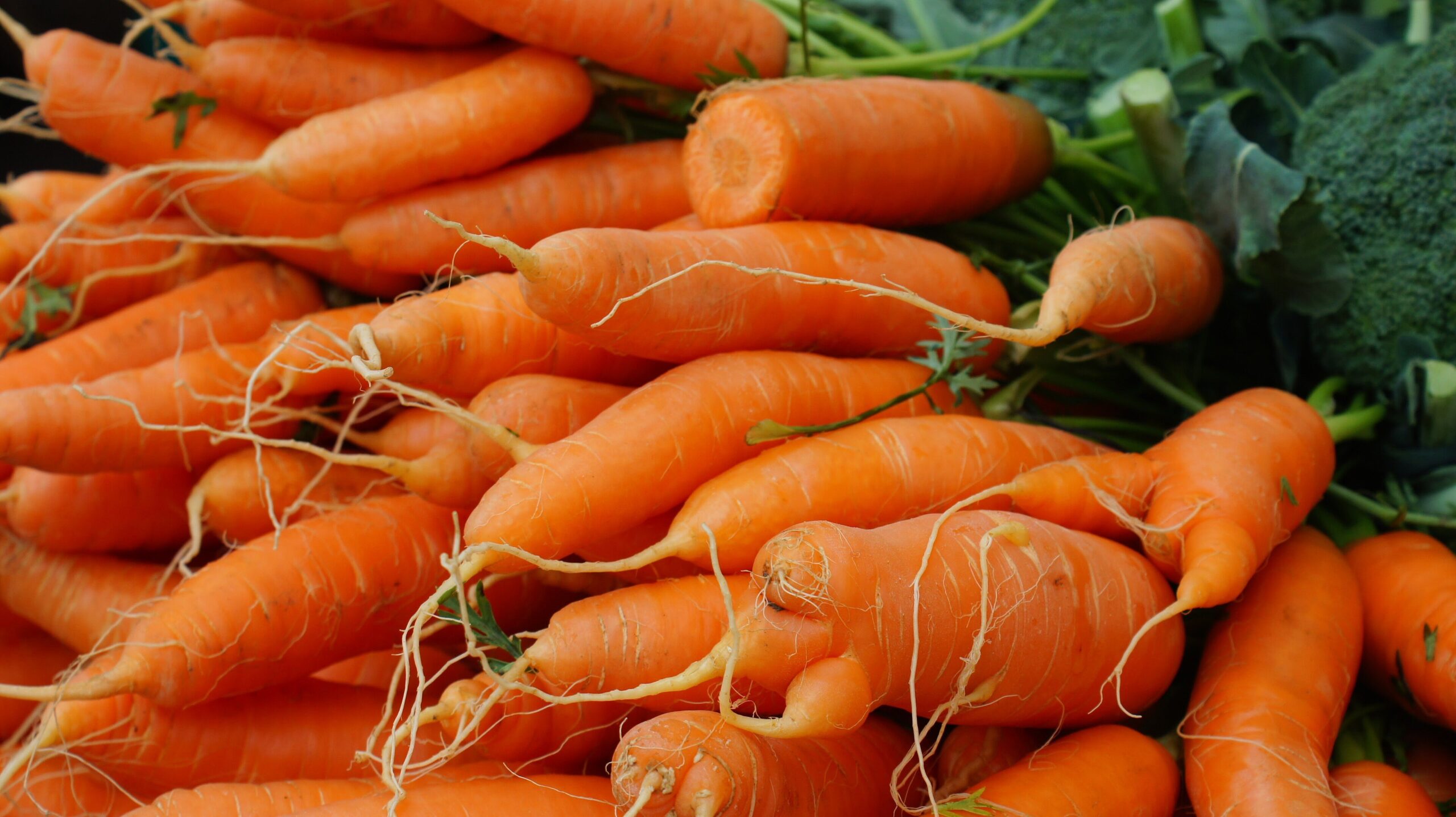
Image: “Carrots at Ljubljana Central Market” by domdomegg is licensed under CC BY 4.0.