Two 100-Year-Old Heritage Live Oaks Near Charlotte’s Freedom Park Are Slated to Fall for a Nearly 6,500-Square-Foot Home, and the Developer’s Penalty Is $1,500 and a Sapling
Neighbors in south Charlotte, North Carolina, gathered in early October to say goodbye to two 100-year-old live oaks near Freedom Park that are set to come down for a new house. Approved site plans show a home of nearly 6,500 square feet on the lot, WBTV reported on Oct. 6. Both oaks are classified as heritage trees, and under the city’s rules the developer pays $1,500 for each one removed and plants a replacement tree.
Residents put signs on one of the oaks in hopes of stopping the removal, but they have found few options, the station reported.
Neighbors call the fee too small
Meigan Alexander lives across the street from one of the trees, and the second heritage oak stands behind it. She told WBTV that neighbors are angry because they do not believe the removal has to happen.
Alexander said the character of the street “is going to be wiped out, and it doesn’t get replaced by a sapling.” She called the required payment “not even a slap on the wrist” and said a replacement tree would not mature in her lifetime.
WBTV did not name the builder, and no removal date was given. As of the station’s report, the trees were expected to come down soon.
What Charlotte’s heritage tree rules require
Charlotte’s heritage tree protections took effect in June 2023, when new tree rules were added to the city’s Unified Development Ordinance. The Charlotte Tree Manual defines a heritage tree as a species native to North Carolina with a trunk at least 30 inches in diameter, measured 4½ feet above the ground. Ash trees are exempt. The manual itself sets no age requirement; the trees’ 100-year age comes from WBTV’s reporting.
Removing a heritage tree requires either a permit or a city-approved development plan. For trees removed as part of development, the manual sets a mitigation payment of “$1,500 per heritage tree removed.” Property owners removing a heritage tree outside of development pay $500 per tree. The fee drops by $250 for each additional mitigation tree planted beyond the minimum.
The replacement requirement is specific. At least one mitigation tree must be planted on site for each heritage tree removed, using a large, native species where there is no conflict with overhead power lines. The new tree must be at least 2 inches in caliper and 8 feet tall, with a minimum planting area of 274 square feet. On development sites, those trees must be in the ground before the city releases its hold on the project, and dead or missing mitigation trees must be replanted.
Which fee applies depends on the project. The city’s non-development heritage tree permit checklist covers removals that are not part of building a new single-family home, duplex, triplex or quadruplex, such as clearing room for a garage, an accessory dwelling or a pool. Those owners can pay $500, plant two extra mitigation trees, plant one extra tree and pay $250, or preserve a specimen tree instead. A new house like the one planned near Freedom Park falls on the development side, where the $1,500 payment applies.
Some removals carry no fee at all. WFAE reported that exemption permits for dead, structurally compromised or high-risk trees are typically approved within a day and require a certified arborist qualified in tree risk assessment. Standard removal permits take about four to five days.
Thousands of permits since 2023
The Freedom Park oaks are far from the only heritage trees to come down under the new system. WFAE reported in September, citing city data analyzed by The Ledger, that Charlotte issued 2,390 heritage tree removal permits between June 2023 and Aug. 19, 2026. Of those, 1,305 were tied to development and 1,085 came from individual property owners.
The city has collected about $4.5 million in mitigation fees since the rules took effect. It has also issued $53,760 in fines from 25 violations for removing heritage trees without a permit since January 2025.
Officials and advocates read those numbers differently. Jack VanderToll, a media relations manager for the city, told WFAE that the regulation “prioritizes mitigation” and that heritage trees “can be removed in most cases.” Shannon Binns, founder of Sustain Charlotte, called the ordinance “more like a pay-and-plant removal system” than true protection and has pushed for fees tiered by tree size and stronger protection for the largest trees. Rob Nanfelt, executive director of the Real Estate and Building Industry Coalition, argued the opposite, saying developers already face high compliance costs.
A shrinking canopy behind the rules
WBTV reported that a TreesCharlotte study showing a shrinking canopy prompted the ordinance. A University of Vermont study conducted with the nonprofit TreesCharlotte found that canopy coverage fell from 49% to 45% between 2012 and 2018, a net loss of 7,669 acres, or roughly 250,000 trees, according to UNC Charlotte’s Urban Institute. WFAE reported that the city’s canopy now sits just above 45%, with a goal of 50% coverage by 2050.
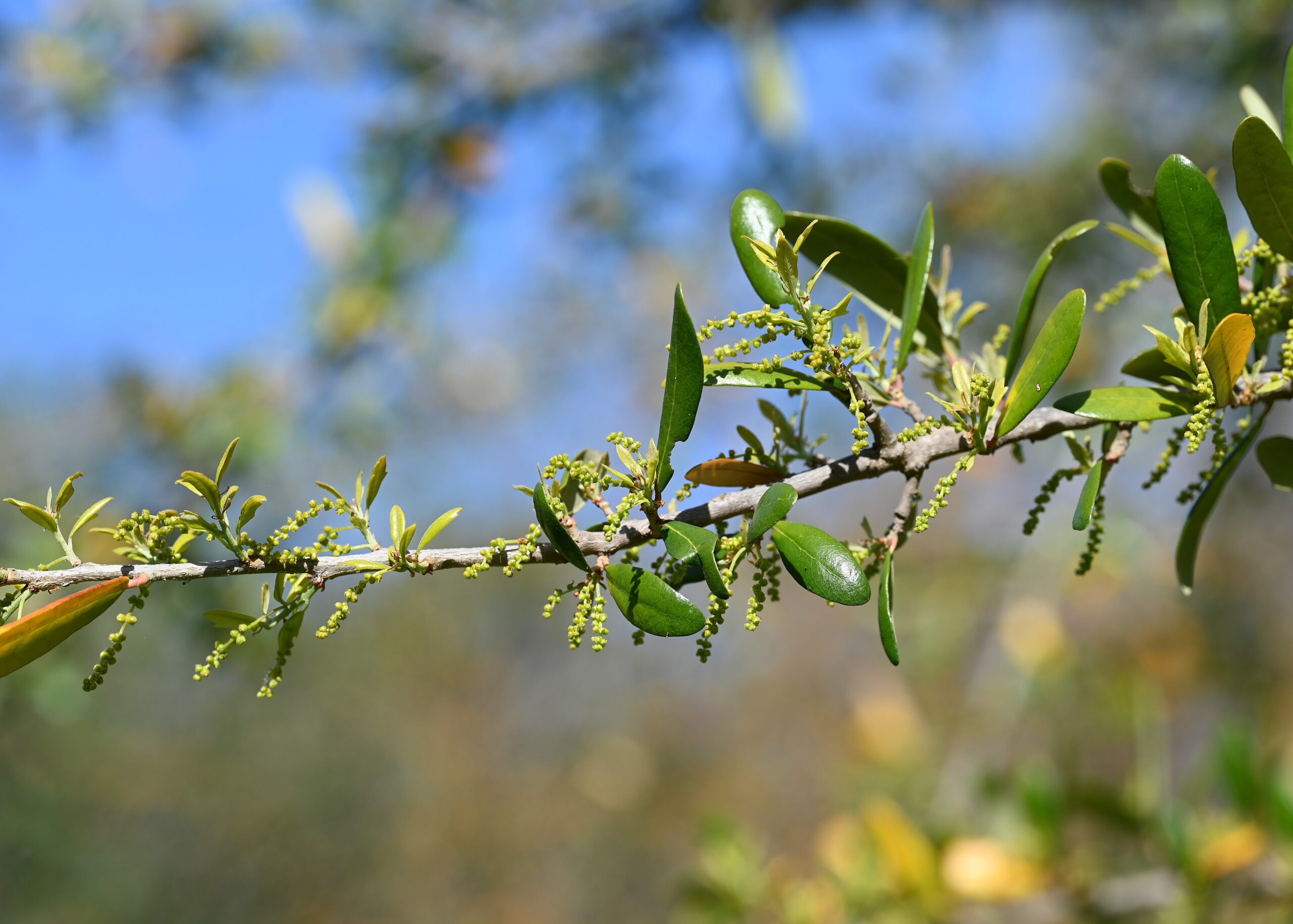
NC State Extension describes live oak as a long-lived evergreen with a medium growth rate that rarely grows taller than 50 feet but can spread its branches 40 to 100 feet wide. It is native to the Southeastern coastal plain, from southeastern Virginia to Florida and eastern Texas.
Under the city manual, a replacement for each Freedom Park oak can start as small as an 8-foot tree with a 2-inch trunk.
Get stories like this by email. Sign up for The Parent Diaries Letter.
This article was produced with AI assistance and edited for accuracy against the sources linked above.
Image: Krzysztof Ziarnek, Kenraiz – CC BY-SA 4.0/Wikimedia Commons