Cindy Wilson, 69, Turned Her Retirement Flower Beds on Butterfly Lane Near Flagstaff Into a Free Pick-Your-Own Garden for the Whole Neighborhood
With the summer picking season over and her flower beds being put to bed under straw and netting, Cindy Wilson is already buying seed for next year. The 69-year-old retiree’s Garden House on Butterfly Lane in Doney Park, Arizona, near Flagstaff, has become a place where neighbors and strangers can walk in, cut a basket of flowers and leave with a free bouquet.
The Associated Press profiled Wilson and her garden this fall, describing how a retirement hobby turned into weekly flower-picking events open to the public.
From a Retirement Hobby to a Neighborhood Haven
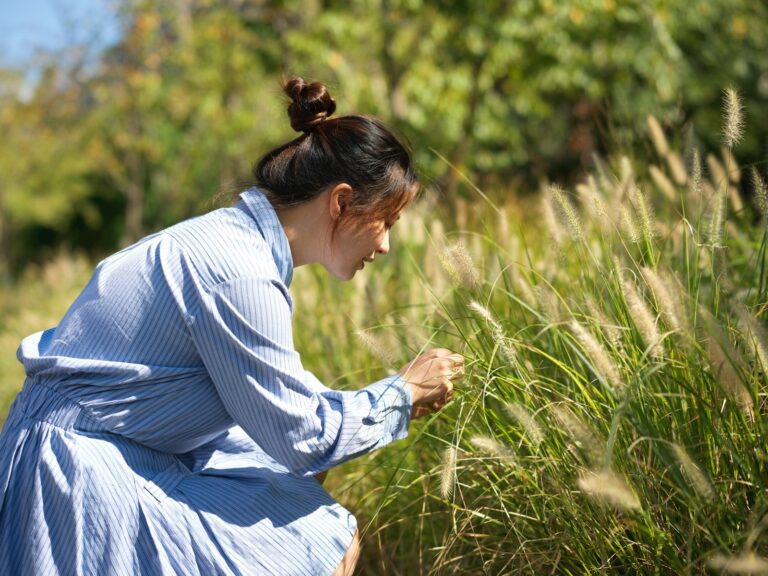
For nearly two decades, the AP reported in a story published by The Columbian, Wilson’s home on Butterfly Lane was simply where she lived. Then she started planting flowers, and it became a haven for her neighborhood. What began as a hobby after she retired has grown into what the AP called a garden oasis in northern Arizona, where visitors wander sprawling beds and fill a basket with blooms to take home.
She retired in 2021, according to the AP account carried by The Boston Globe. Her six children had moved out and her husband had died. After volunteering for a florist on Valentine’s Day, she decided to start a flower business of her own.
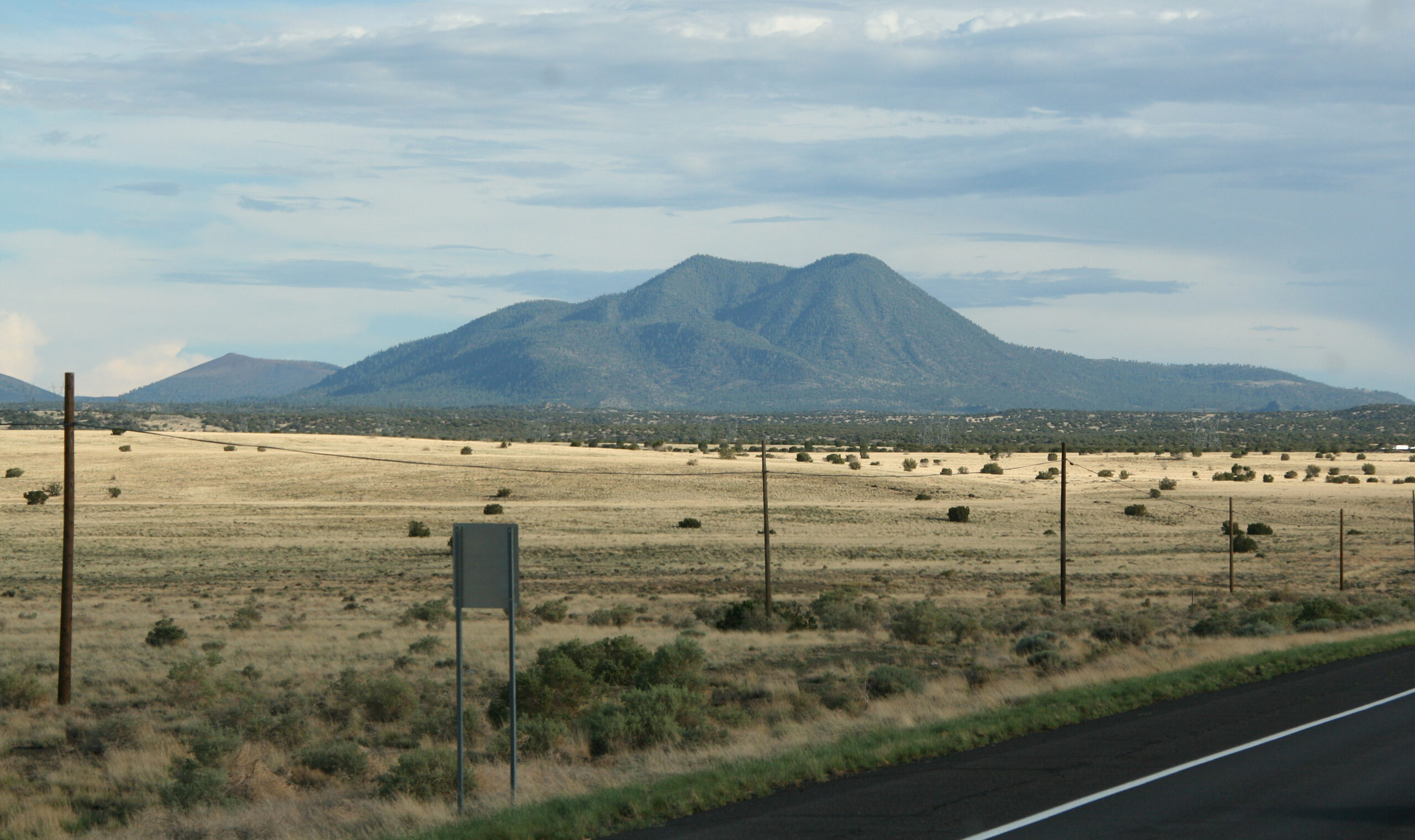
She taught herself with gardening tips from social media and started seedlings in her garage. The property covers nearly 3 acres beneath the San Francisco Peaks, with a beige house with red trim at its center and cottage-style rows of blooms marked by hand-painted wooden signs. A rose near her kitchen window has grown to nearly 5 feet tall.
Why the Flowers Became Free
Wilson’s original plan, about five years ago, was to sell the flowers. That changed after wildfires and flooding hit the area before the summer bloom, the AP reported. Instead of selling, she invited affected neighbors to come pick, saying she hoped to “bring a bit of kindness and maybe a little joy.”
The first event was for residents of Doney Park and Timberline, two communities northeast of Flagstaff, according to the AP version published by La Nación.
Those neighborhoods know hard summers. After the 2022 Pipeline Fire burned more than 20,000 acres on the east side of the San Francisco Peaks, dozens of flood events hit Timberline and Doney Park that summer, damaging homes and closing Highway 89 again and again, Arizona’s Family reported in July. Coconino County Flood Control District administrator Lucinda Andreani told the station there were 13 highway closures in 2022 alone. A $120 million flood-control project, four years in the making, has since added watershed restoration on the mountain and storm drains, channels and detention basins downstream. When this July’s storms set off more than 150 flood gauges, no homes or businesses were damaged, and Andreani said residents were relieved and grateful.
A Short Season at the Foot of the Peaks
Growing a cutting garden that big near Flagstaff takes some planning. The Arboretum at Flagstaff warns that it can freeze at any time of year there. Greenhouse manager Gina Goegan writes that the frost-free season is generally considered June 15 to September 15, and that the local growing season runs about 90 days, so gardeners should add at least 14 days to a seed packet’s maturity estimate because cold evenings slow growth.
That window lines up closely with Wilson’s picking calendar, which runs from late June into early September. The Arboretum also recommends short-season varieties, frost cloth or walls of water for a few degrees of protection, and a few inches of mulch to hold moisture and cool the soil.
How the Free Bouquet Days Work
Visitors are handed shears and wicker baskets, many of them from Goodwill, along with simple instructions to “cut low and take 15 stems.” The flowers are free, though visitors sometimes leave donations to help cover costs.
Wilson aims to hold weekly events from late June to early September, with the first pick of each year reserved for neighbors. She had opened the garden six times this year when the AP visited, which she said was a lot for her. Neighbors help run the events, and she promotes them on social media.
Dozens of people turn out, the AP reported, including families with small children, Northern Arizona University students and travelers passing through. On Sept. 14, Wilson and her neighbors were photographed arranging hand-picked flowers from the backyard garden into kraft-paper bouquets.
Mary Walton, 70, has lived next door for 15 years. She told the AP that a garden bell, usually pulled by excited children, signals that it is “pick-it time.”
Putting the Garden to Bed for Winter
DailyGood highlighted the story as an example of a garden opened to displaced neighbors, describing visitors walking the rows, cutting their own blooms into wicker baskets and leaving with hand-wrapped bouquets at no cost. In its telling, the events begin the same way each time: the bell rings and the gate opens.
Now the work turns to next year. Wilson’s fall routine includes pruning plants, fertilizing the soil and covering the beds with straw and netting for winter, the AP reported. She has already bought cool-season seeds to plant in spring for next summer’s harvest.
Yard projects that change a whole street have come up before on Lovely Garden Roots, including a homeowner who turned most of her lawn into a wildlife garden. On Butterfly Lane, the next season starts when the bell rings again in late June.
Get stories like this by email. Sign up for The Parent Diaries Letter.
This article was produced with AI assistance and edited for accuracy against the sources linked above.
Image: Clément Bardot – CC BY-SA 4.0/Wikimedia Commons