Homeowner Says She Transformed Most of Her Lawn Into a Wildlife-Friendly Garden, Then Asked Whether She Could Sneak Flowers Into City-Owned Grass Until Neighbors Revealed Which Plants Could Take Over
A person shared his story about trying to turn an ordinary lawn into something much more colorful, welcoming, and useful to wildlife. Much of the yard had already been covered with sheet mulch to make room for a more natural garden, but one stubborn patch remained untouched for a rather frustrating reason. The grass was technically on city property, meaning the homeowner could not simply cover the entire area and start over.
Instead of giving up on the patch, the gardener began looking for a clever workaround. They had already planted bulbs there and wondered whether other flowers could grow directly through the existing grass without requiring a complete lawn makeover.
The City-Owned Patch Became an Unexpected Gardening Challenge
For most gardeners, a patch of grass is simply another area to mow, water, or eventually replace with something more exciting. For this homeowner, however, the problem was that the grass belonged to a public strip of land rather than the portion of the yard they could freely redesign. That restriction made a traditional garden conversion difficult, even though the surrounding landscape was already changing.
The gardener was not necessarily looking to create a perfectly organized flower bed with neat borders and carefully arranged plants. They wanted the space to look less depressing while contributing something beautiful to the neighborhood. The big question was whether a few well-chosen plants could gradually transform the patch without disturbing the existing lawn too much.
Sunflowers and Calendula Were Already Thriving Nearby
The homeowner had already discovered that several flowers grew happily in other parts of the yard, including amaranth, sunflowers, and calendula. These plants offered plenty of color and personality, making them tempting candidates for the awkward public strip. Naturally, the gardener wondered whether transplanting a few seedlings into the grass might produce the same cheerful results.
It sounded like a simple experiment, but established grass can be surprisingly competitive. Its roots occupy valuable space, and its dense growth can make it difficult for young flowers to establish themselves. The gardener was essentially asking whether flowers could move into an already occupied property and eventually become permanent residents.
One Gardener Revealed a Shortcut That Had Worked Surprisingly Well
A response from a person offered an encouraging alternative to removing the grass entirely. Rather than digging up the whole lawn, they had punched small holes into it and planted native species directly into those openings. Over time, the new plants spread and competed successfully with the existing grass.
The results were apparently dramatic enough that the gardener could no longer tell where the original lawn had been. Their city had even offered reimbursement for removing grass and planting native species, but the gardener had discovered a much simpler route. Instead of launching a massive landscaping project, they let individual plants establish themselves and gradually expand.
Native Plants Turned Three Strips of Grass Into a Living Experiment
The same gardener explained that they had tackled three large strips of lawn using different combinations of plants. One strip received lemon and lime trees, while other sections featured butterfly-friendly plants and flowering species that attracted pollinators. California poppies, various sages, and other plants gradually added color and variety to the landscape.
The experiment became more interesting when a neighbor shared fennel seeds that eventually sprouted throughout the yard. The fennel filled empty spaces and was relatively easy to remove when the gardener wanted to introduce something new. Rather than following a rigid planting plan, the homeowner allowed the garden to develop through experimentation, observation, and occasional changes of direction.
A Delivery of Thirty Plants Changed the Garden’s Future
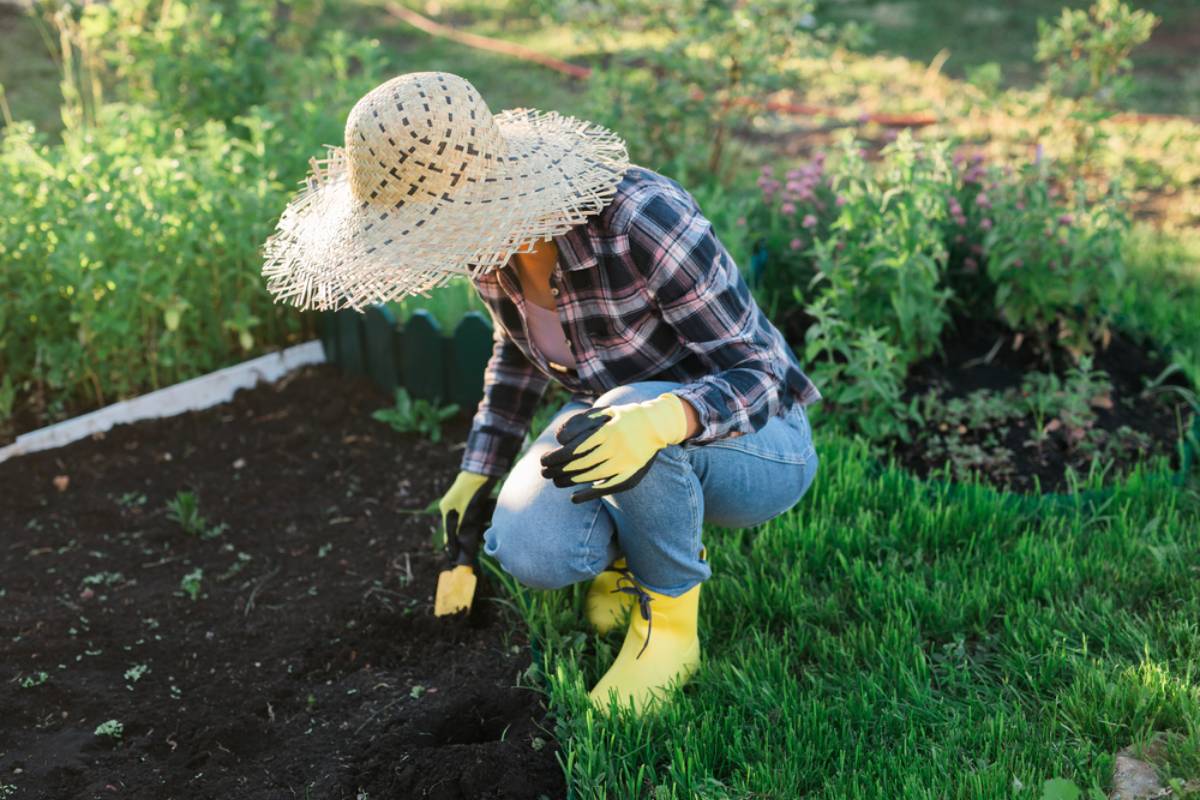
The transformation accelerated when the gardener ordered approximately thirty flowering plants from a specialist nursery during the pandemic. Instead of preparing an entirely new flower bed, they punched holes into the remaining lawn and planted the newcomers directly into the grass. Many of those plants continued returning each spring, giving the yard an increasingly diverse appearance.
Over the years, the garden became a constantly changing collection of plants rather than a carefully controlled arrangement. Some species flourished while others faded, creating opportunities for different flowers to take center stage. What began as a practical shortcut eventually became a long-running experiment in letting nature determine how the landscape would evolve.
Mexican Marigolds and Other Flowers Brought an Unexpected Twist
Among the plants that performed particularly well were Mexican marigolds and Mexican bird-of-paradise plants. The gardener was especially pleased with the marigolds because of their striking appearance and strong fragrance. These additions helped prove that a lawn did not necessarily need to be removed all at once before a garden could become visually interesting.
The evolving planting scheme also allowed the homeowner to fill gaps whenever certain areas looked dull. Instead of treating every empty patch as a problem, they viewed it as an opportunity to introduce something new. That flexible approach meant the garden could change from one season to another without requiring a complete redesign every time a plant disappeared.
Clover Emerged as One of the Simplest Alternatives
Another response from a person suggested red and white clover as practical candidates for anyone hoping to reduce the amount of conventional grass. Clover can spread through suitable lawns and fill areas where turf is weaker, making it an appealing option for gardeners who prefer a gradual transition. Its small flowers can also provide a useful food source for visiting pollinators.
However, clover does not automatically replace every type of grass in every location. Success depends on factors such as climate, soil conditions, mowing habits, and the grass already growing in the yard. For the homeowner, it offered another possibility worth investigating, especially if the goal was to soften the appearance of the public strip without undertaking major landscaping work.
Violets and Yarrow Offered Another Way to Break Up the Green
Some gardeners suggested violets and yarrow as additional plants that could establish themselves in existing lawns. Violets can occupy suitable spaces beneath or between grass, while yarrow may tolerate regular mowing under the right conditions. Both offer alternatives to a landscape dominated entirely by conventional turf.
These plants would not necessarily eliminate every blade of grass, but that might not be necessary to achieve the homeowner’s goal. A lawn containing flowering plants, small patches of native vegetation, and seasonal color can look very different from a uniform expanse of green. The trick is choosing plants suited to the region rather than assuming every attractive flower will thrive in every yard.
Frog Fruit and Horse Herb Entered the Conversation
Other responses recommended horse herb and frog fruit, plants that can serve as low-growing ground covers in suitable climates. These suggestions expanded the possibilities beyond traditional flowers and showed that a lawn replacement does not always need to consist of tall plants or formal flower beds. Sometimes, the most useful change happens close to the ground.
Still, regional conditions matter enormously when choosing these species. A ground cover that spreads enthusiastically in one climate may struggle in another, while a plant that behaves beautifully in one location may spread too aggressively elsewhere. The homeowner would need to identify the local conditions before deciding which candidates were most likely to succeed.
One Gardener Warned That Established Grass Can Fight Back
Not everyone believed planting directly into an existing lawn would be easy. A response from a person explained that years of overseeding had produced disappointing results because established turf can be remarkably difficult to displace. Simply scattering seeds over healthy grass often fails when the new plants cannot establish sufficient contact with the soil.
This warning introduced an important distinction between a patchy lawn and a dense, vigorous one. Young native plants may establish themselves relatively easily where the grass is already thin, but the same approach could fail against aggressive turf. The gardener’s idea was possible, yet success would depend on understanding the particular patch rather than relying on a universal planting trick.
Goldenrod Proved That Some Plants Can Be Surprisingly Persistent
One gardener shared an example of goldenrod gradually establishing itself in an area dominated by aggressive grass. After the plant began spreading, it continued expanding when left undisturbed, demonstrating how certain flowering species can become established even in challenging conditions. For someone hoping to replace a dull lawn with a more natural landscape, that sounded promising.
However, the discussion also raised a familiar concern about goldenrod and seasonal allergies. Another response explained that goldenrod is commonly blamed for symptoms more often associated with ragweed, since goldenrod pollen is generally less likely to travel through the air in the same way. The lesson was that plant selection involves more than appearance, and gardeners should understand a species’ growth habits before introducing it.
The Biggest Surprise Was That Sunflower Seeds Might Work Better
Just when the discussion seemed to be settling on native ground covers and perennial flowers, someone offered an unexpected suggestion for growing sunflowers. Rather than transplanting seedlings, they recommended using black oil sunflower seeds commonly sold as bird food. They had experienced success scattering the seeds and allowing sunflowers to emerge in different parts of the yard.
The idea was appealing because it offered a relatively inexpensive way to experiment with a familiar flower. However, seed mixes and birdseed are not always reliable sources of garden plants, and germination depends on seed viability and growing conditions. Sunflowers also need sufficient sunlight and space, so the gardener would still have to consider whether the public strip was suitable for them.
The Final Advice Was to Check the Grass Before Choosing a Winner
One response from a person offered a particularly important caution: the best strategy depends on the existing grass and the region where the garden is located. Clover, violets, yarrow, and frog fruit may compete successfully with grass in some circumstances, but results can differ dramatically between climates and lawn types. A thick, aggressive grass can be much harder to replace than a patchy lawn that already contains open spaces.
The same response raised another issue that the homeowner could not ignore: the strip technically belonged to the city. Even if a particular plant could outcompete the grass, that did not automatically mean planting it there was permitted. Before making major changes, checking local rules and choosing appropriate native species would help prevent a well-intentioned gardening experiment from becoming an unwanted dispute.
A Patch of Grass Became a Lesson in Letting Gardens Evolve
The homeowner’s original question seemed simple: could flowers be planted directly into a lawn and eventually compete with the grass? The responses revealed that there was no single answer, but there were several promising approaches, from planting native species into small openings to experimenting with clover, violets, and other ground covers. The most successful strategy would depend on the location, existing turf, and plants selected.
Perhaps the most encouraging part of the story was the gardener who had spent years transforming ordinary strips of grass into a changing landscape filled with flowering plants and wildlife. Their experience showed that a garden did not have to be completed in one exhausting weekend to become beautiful. For this homeowner, the real challenge was finding a responsible way to begin, one small planting hole at a time.