Gardener Says She Started Leaving Extra Seedlings on Her Porch for Free Every Spring, Then One Neighbor Started Reselling Them at the Farmers Market Without Telling Her
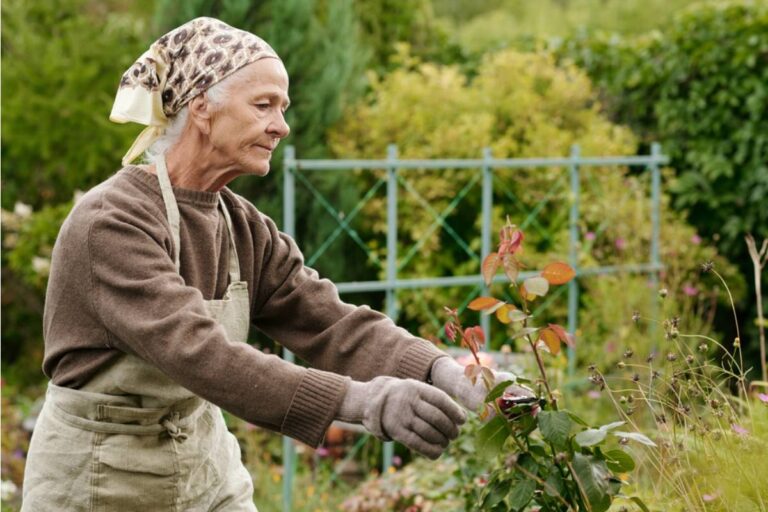
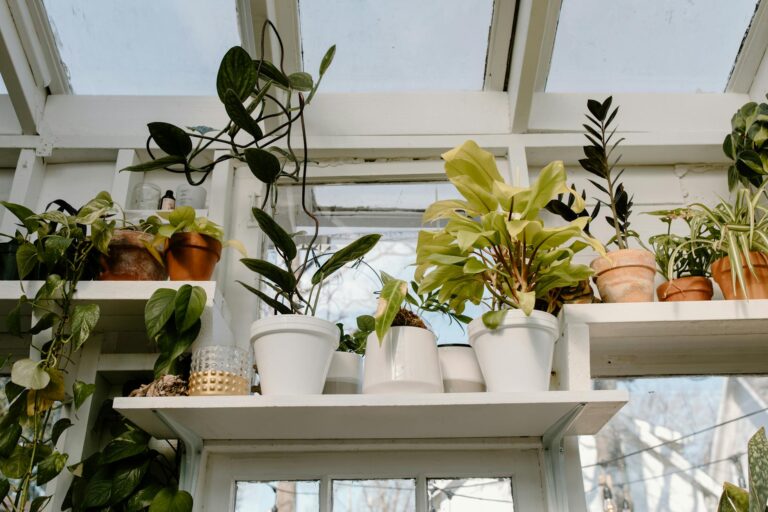
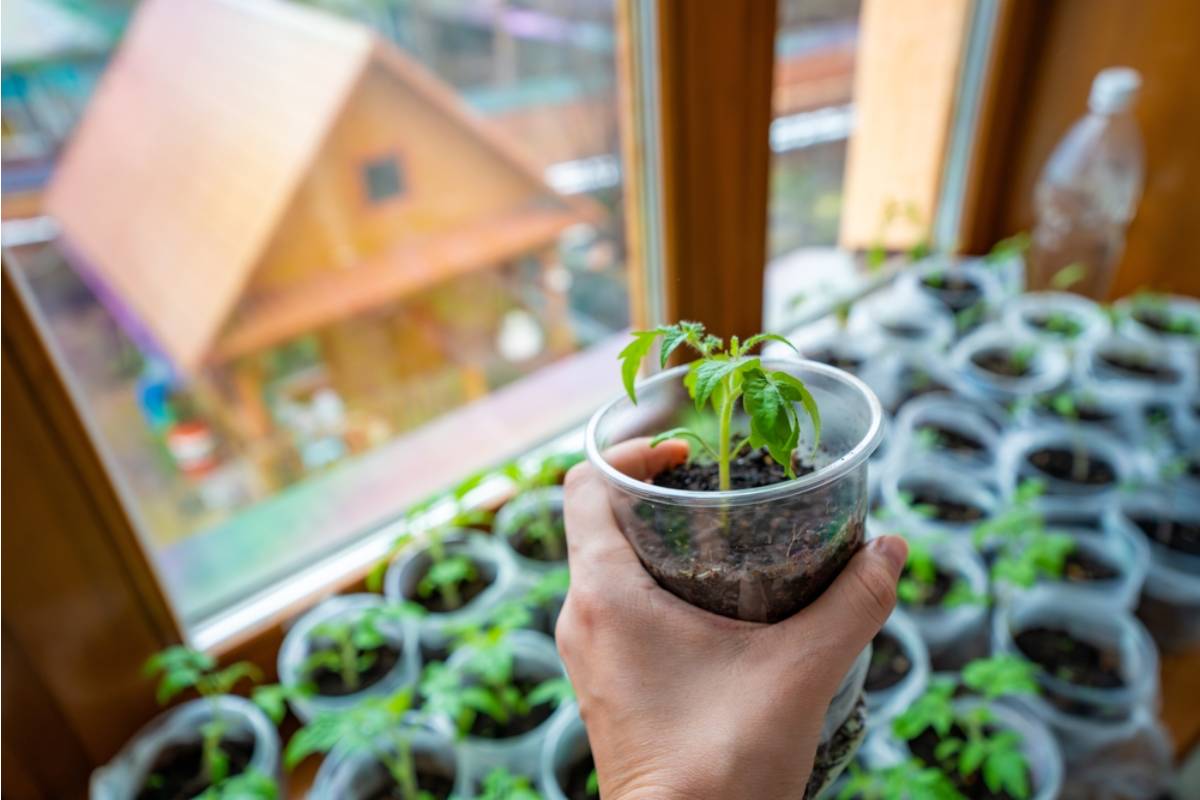
She began leaving extra seedlings on her porch because her garden always produced more than she could plant. Tomatoes, peppers, and herbs would fill every spare tray by late spring, far more than her backyard beds could handle. Instead of throwing them away, she placed small trays outside with a handwritten note saying they were free to take. At first, it felt like a simple way to avoid waste and maybe help a few neighbors. She never expected it to become something people counted on every year.
The quiet success of the free porch system
Within a couple of seasons, people started checking her porch regularly each spring. Some would leave small thank you notes, while others simply took what they needed and moved on. She liked the idea that her extra work in the garden was feeding other households. It made the long hours of planting feel more meaningful. The porch became a small, unofficial community exchange point without any formal setup.
The neighbor who always took more than others
One neighbor in particular began stopping by earlier than everyone else. He would take full trays instead of just a few seedlings, saying he had a big garden to fill. She did not mind at first because she assumed he was planting everything himself. He often complimented her work and asked detailed questions about soil and spacing. Nothing about his behavior seemed unusual in the beginning.
The first hint something was different
One weekend, she went to a local farmers market and noticed familiar looking seedlings on display. The labeling style, tray arrangement, and plant variety looked almost identical to what she had been growing. A small sign listed them at prices she did not expect for simple starter plants. She dismissed it at first, assuming it was a coincidence. But the resemblance stayed in her mind longer than she wanted.
A familiar face behind the booth
The following week, she returned to the market and recognized the neighbor standing behind the same seedling display. He was talking to customers and explaining how carefully he had grown everything from scratch. For a moment, she just stood there watching without saying anything. The trays looked exactly like the ones she had left on her porch earlier in the season. That was when the situation stopped feeling like coincidence.
The uncomfortable conversation at the market
She approached the booth and waited until he finished speaking to a customer. When he finally noticed her, his expression shifted slightly but he did not seem surprised. She asked where he had sourced his seedlings, and he said he had “started them from local cuttings.” She mentioned the porch trays she had been giving away for free. He paused for a second, then said he had “reworked” them before selling.
The explanation that made things worse
He tried to justify it by saying he had invested time, soil mix, and trays to grow them further. According to him, he was simply improving what he had taken and turning it into a business opportunity. She pointed out that none of that had been discussed or agreed upon. He replied that free seedlings were still free materials regardless of intent. The conversation ended without agreement and with visible tension between them.
Other gardeners starting to notice
A few regular market visitors began recognizing similarities between her porch seedlings and the ones being sold. Some mentioned it casually to her during conversations about gardening. She realized word was quietly spreading through the local gardening community. What had once been a private porch tradition was now part of a larger public situation. That realization made her reconsider continuing the practice at all.
Pulling back from the porch setup
For the next spring, she reduced the number of seedlings she left outside. Instead of free trays, she began donating excess plants to a local community garden. The change felt less personal but also less risky. She did not announce the reason publicly, just quietly adjusted her routine. The porch stayed mostly empty that season.
The neighbor continuing without acknowledgment
Despite the tension, the neighbor kept selling seedlings at the market the following year. He made small adjustments to packaging and presentation, but the core plants looked familiar. He never mentioned her again when talking to customers. From a distance, it looked like a completely separate operation. Up close, the connection was still obvious to anyone who had seen both.
A quiet warning from another vendor
Another vendor eventually approached her at the market and mentioned the situation indirectly. He said people were talking about “shared stock” between booths but no one wanted to get involved. He suggested she document her growing process if she ever wanted to challenge anything. She listened but did not respond much at the time. It felt like a problem growing outside her control.
Choosing not to escalate
After thinking it over, she decided not to pursue confrontation or formal complaints. She did not want her gardening reputation tied to conflict or disputes. Instead, she focused on her own garden and the community garden donations. The experience changed how she thought about sharing plants. What once felt like simple generosity now required more caution.
The porch that never returned to its old rhythm
The following spring, there were no free trays on her porch anymore. Neighbors still remembered the tradition and occasionally asked if it would return. She always gave a polite but noncommittal answer. The neighbor at the market continued his business without reference to the past. The quiet exchange that once defined her spring garden had permanently changed direction.