Stem-Tip Cuttings of Coleus, Plectranthus and Scented Geraniums Should Be Taken Before Frost, HGTV Says, While Mint and Basil Root in Water
The cheapest way to carry a favorite container plant through winter is a cutting no longer than a hand. In its list of last-minute fall projects, HGTV says stem-tip cuttings of coleus, plectranthus and scented geraniums should be taken before frost, and that herb cuttings such as pineapple sage, Greek basil, mint and basil can be rooted in water.
The advice comes from HGTV gardening contributor Julie Martens Forney’s “17 Last-Minute Fall Garden Projects.” She writes that the stem tips root easily, which lets gardeners overwinter starts for next year’s containers. University extension programs in Vermont, Iowa and California supply the measurements the list leaves out.
Which plants and how long a cutting
Forney’s list names coleus, plectranthus and scented geraniums. The University of Vermont Extension’s Deborah Benoit, a Master Gardener, notes in a Sept. 15, 2022 article that coleus is itself botanically a Plectranthus, Plectranthus scutellarioides, and that it is a tender perennial that will not survive Northeast winters. The article also names begonias and citronella geranium as good candidates.
For length, Benoit’s 2022 article says to cut a stem about 5 inches long from the end of a healthy stem, including several leaf nodes, and to strip the lower leaves, leaving only the top two leaf clusters. In an Oct. 6, 2025 UVM Extension article, she gives a range of 4 to 6 inches from the tips, with the leaves trimmed from the lower half.
For geraniums, which include the scented kinds, Iowa State University Extension says to use 3- to 4-inch stem cuttings from the terminal ends of the shoots, cut with a sharp knife, with the lower leaves pinched off.
Why frost sets the deadline
The deadline is the first frost. Iowa State says to take geranium cuttings before the first fall frost, and Benoit’s 2025 article says to bring coleus indoors before the first frost. Her 2022 piece says cuttings can be taken as summer ends, before the first killing frost, and should be ready to move outdoors the following spring.
The frost deadline exists because coleus is hardy only in USDA Plant Hardiness Zones 10 and 11, Benoit’s 2025 article says, which is why Vermont gardeners treat it as an annual. Her 2022 article advises choosing a healthy, vigorous plant to take cuttings from.
Plants that are being dug up rather than cut take a few more steps, according to the 2025 article. Remove soil from the roots, check for pests and repot in fresh potting soil, cutting back up to a third of the foliage if needed. Plants brought inside should be acclimated gradually, with several days on a porch or other sheltered spot first. Leaf drop is often stress from the move, Benoit writes, so watering should continue while the plant adjusts.
Rooting in water or in a mix
Coleus and many herbs will root in a glass of water. Benoit says to place the cutting in room-temperature water in indirect light with no leaves below the surface and to change the water weekly. Roots should appear in a few weeks, and once they are over an inch long, she says to pot the cutting in potting soil and keep it moist but not wet.
The University of California’s Jim Farr, writing for the UC Master Gardeners of Alameda County in a Nov. 18, 2024 post, uses basil as his water-rooting example. A cutting made just below a node and set on a windowsill in a cup of water should root in days or weeks at the most, he says, with the lower leaves removed so they do not sit in the water.
Geraniums are different. Iowa State says to dip the cut base in rooting hormone and root it in vermiculite, or a mix of perlite and sphagnum peat moss, in pots or flats with drainage holes. The cuttings go in only deep enough to stand on their own, are covered with a clear plastic bag or dome, and sit in bright light out of direct sun. Roots typically form in 6 to 8 weeks.
Benoit’s 2022 article describes the soil route as well. A wet stem is dipped in rooting hormone and inserted into a hole made with a pencil or chopstick in moist potting soil, then the soil is firmed gently around it. Iowa State says to water the medium, let it drain for a few minutes, and keep the cuttings in bright light but out of direct sun.
After the roots form
Rooting cuttings suits gardeners with limited space and plants that have become leggy or damaged, Benoit’s 2025 article notes. For plants kept as whole plants rather than cuttings, she says to keep them indoors in a sunny window or under a grow light, away from drafts. Once geranium cuttings are rooted, Iowa State says to pot each one separately and keep it in a sunny window or under artificial light until spring.
For coleus, Benoit’s 2022 article says to keep the young plant out of cold drafts and away from drying heat, and to give it adequate light. A gentle tug that meets resistance shows it has rooted, and new growth should follow. Multiple cuttings can share one pot, she adds, and a clear plastic bag over the container holds humidity, though it should be opened if condensation forms to prevent rot.
The herb cuttings on Forney’s list, once rooted in water, get transplanted into pots to grow on a windowsill. Gardeners with tender plants that need more than cuttings can read about bringing mandevilla and hibiscus indoors, covered earlier on this site.
This article was produced with AI assistance and edited for accuracy against the sources linked above.
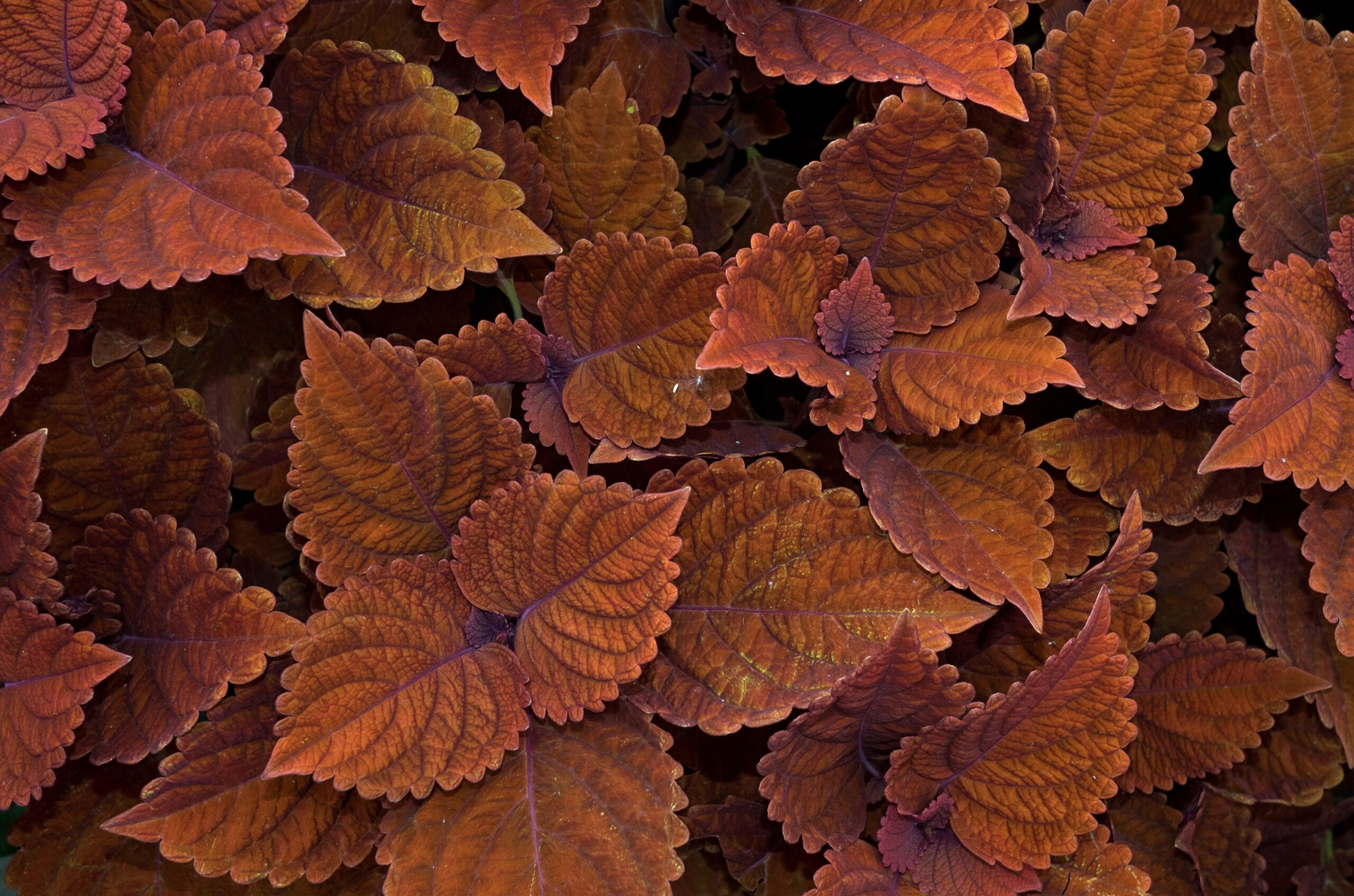
Image: “Coleus (71543)” by Rhododendrites is licensed under CC BY-SA 4.0.