Colorado Homeowner Says His HOA Sent a Lawn Violation During a Historic Drought, Then Defended Its Demand for Green Grass While Officials Urged Residents to Save Water
A homeowner in Superior, Colorado, thought he was making a sensible choice when he allowed parts of his front lawn to turn brown during a historic drought. James Shima and his wife had already tried reseeding their grass in the spring, but the hot, dry weather made their gardening efforts increasingly difficult. With officials urging residents to conserve water, letting the struggling lawn rest seemed far more reasonable than pouring precious water into it. Then a letter arrived that turned an ordinary lawn-care problem into a much bigger dispute.
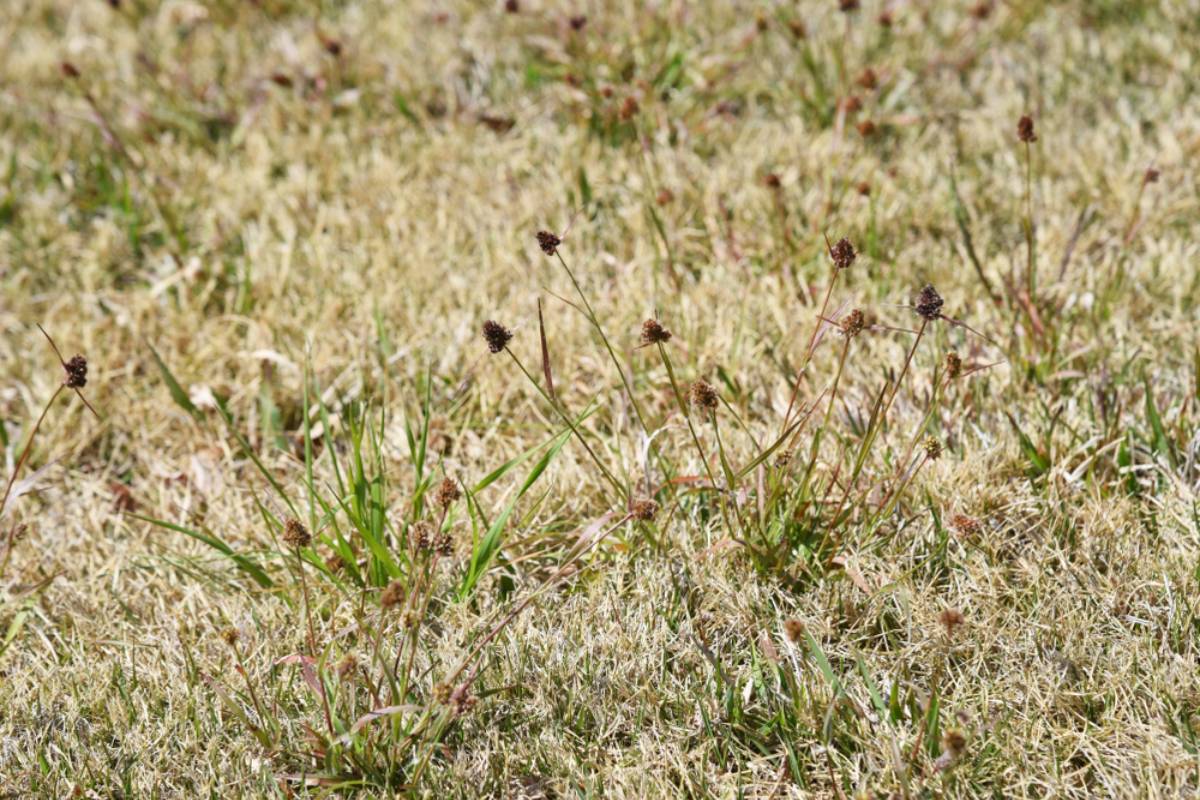
The notice came from the Rock Creek Master Homeowners Association and classified the issue as a landscaping maintenance violation. Its complaint was simple: brown grass and bare patches needed attention. Suddenly, a homeowner trying to conserve water had to explain why his lawn did not look as green as the neighborhood apparently expected. What followed raised an awkward question about whether a perfect-looking garden should matter more than responsible water use.
The Letter That Turned Brown Grass Into a Rulebook Battle
The notice Shima received was dated June 11, 2026, and gave him 30 days to address the problem. He was asked to submit a photograph showing that the issue had been corrected or provide a plan explaining how and when he intended to fix it. The letter also warned that failing to contact the association within the deadline could lead to escalation of the violation process. For a homeowner already struggling with the weather, that was an unwelcome addition to the summer gardening schedule.
The frustrating part was that the grass had not simply been abandoned out of laziness. Shima explained that he and his wife had made an effort to reseed the lawn, only to watch the hot, dry conditions undermine their work. Their experience highlighted a familiar gardening reality: sometimes even careful maintenance cannot overcome a lack of water. Yet the HOA’s letter appeared to treat the brown patches as something the homeowners needed to correct regardless of the circumstances.
A Historic Drought Made the Timing Even Worse
The timing of the notice made the situation especially difficult to ignore. Colorado was experiencing severe drought conditions, and Governor Jared Polis had issued a statewide drought emergency proclamation earlier that month. According to the Colorado Water Conservation Board, all 64 counties were experiencing drought, with many areas facing extremely low runoff and water supply forecasts. In other words, this was not an ordinary summer when a little extra watering might bring a struggling lawn back to life.
For gardeners, drought can turn even the simplest outdoor tasks into a balancing act. Watering too little can leave grass dry and brittle, while trying to maintain a flawless green lawn can demand enormous amounts of water. Shima’s situation put that dilemma directly in front of his HOA, forcing the community to confront the difference between neglecting a garden and adapting it to harsh weather. Unfortunately, the association did not appear ready to treat those two things as entirely different problems.
The Homeowners Had Already Tried to Save the Grass
Before the violation arrived, Shima and his wife had already attempted to reseed their lawn during the spring. That effort showed they were not simply ignoring their front yard or refusing to maintain their property. They had tried a familiar gardening solution, but the weather was working against them. When the grass continued to struggle, they faced a choice between accepting the brown patches and investing even more resources in an increasingly difficult lawn.
They also contacted companies that install sod to find out whether replacing the grass would solve the problem. The advice they received was hardly encouraging, because newly installed sod could require repeated watering throughout the summer to establish itself. Shima explained that it might need watering four or five times a day, making the proposed fix seem particularly wasteful during a drought. Instead of offering an easy solution, the landscaping advice made the HOA’s demand look even more complicated.
The HOA Acknowledged the Drought but Stuck to Its Standards
After residents raised concerns about water conservation, the Rock Creek HOA’s community manager acknowledged the drought and the state’s response plan. However, the association argued that the drought declaration did not automatically suspend homeowners’ landscaping responsibilities. It also pointed out that the town of Superior had not introduced mandatory watering restrictions. That distinction became the center of the disagreement, because residents were being encouraged to conserve water even though the HOA continued to expect their lawns to meet its appearance standards.
The association said its board had a responsibility to protect the community’s appearance and the property values supported by its maintenance rules. From that perspective, the HOA was trying to enforce standards that homeowners were expected to follow when they purchased their properties. But the explanation did little to resolve the practical problem facing residents whose grass was struggling under extreme conditions. A rule designed for ordinary lawn care suddenly seemed much less straightforward when following it could mean using substantially more water.
Residents Questioned Whether Green Grass Was Worth the Water
Another Rock Creek resident, identified as Michelle in the report, also criticized the timing of the notices. She argued that the HOA needed to consider the broader community rather than treating landscaping rules as though they existed separately from local circumstances. With public officials encouraging residents to rethink their water use, she questioned whether maintaining a green lawn should be a priority. Her concern reflected a growing challenge for homeowners who want attractive gardens without using more resources than necessary.
The debate was about more than a few unattractive patches of turf. Water used for lawns competes with the needs of households, trees, flower beds, vegetable gardens, and other parts of the landscape. A garden can remain useful and thoughtfully maintained without every square foot of grass looking bright green throughout the summer. For residents watching their lawns dry out, the real question was whether the HOA’s preferred appearance justified the additional water that might be needed to achieve it.
Superior Was Encouraging Residents to Use Less Water
The town of Superior had its own reason to encourage conservation, noting that outdoor irrigation accounted for approximately 45% of its water use. That made lawn watering an important opportunity for residents to reduce demand during difficult conditions. Even small changes in outdoor water habits could make a difference when supplies were under pressure. For homeowners trying to do their part, allowing grass to go dormant could be a practical response rather than a sign of poor gardening.
This created an uncomfortable contrast between the town’s conservation message and the HOA’s landscaping expectations. Residents were being encouraged to think carefully about their water consumption, yet a brown lawn could still trigger a formal notice from their association. The two messages were not necessarily impossible to reconcile, but they demanded a more flexible approach to what a properly maintained yard should look like. Without that flexibility, homeowners could feel caught between conserving water and avoiding trouble with the organization overseeing their neighborhood.
The Rules Were More Complicated Than They First Appeared
Colorado law provides protections against certain HOA enforcement actions when following association rules would require homeowners to violate local water restrictions. However, Superior had not imposed mandatory watering restrictions at the time of the report. That meant the specific legal protection described by the governor’s office might not apply to homeowners who were voluntarily cutting back on irrigation. The difference between being legally required to conserve water and choosing to conserve it became a significant part of the dispute.
That distinction also showed why homeowners cannot always assume that a statewide drought announcement automatically overrides every neighborhood rule. The legal details may depend on the restrictions actually in force and the specific circumstances involved. Still, the governor’s office expressed concern about the prospect of HOAs fining residents who were helping address the drought by reducing lawn watering. The situation left homeowners with a frustrating question: how much freedom did they really have to adapt their gardens when conservation was encouraged but brown grass remained a violation?
The Governor’s Office Raised Concerns About Possible Fines
The governor’s office made its position clear, expressing serious concern if associations were fining Coloradans for limiting lawn watering during the drought. The statement recognized that residents conserving water were contributing to a wider effort rather than simply disregarding their properties. It also highlighted the tension between private neighborhood standards and a public need to manage limited water supplies. That support gave residents another reason to question whether the HOA’s approach was appropriate for the circumstances.
There was an important detail, however, that kept the story from becoming quite as dramatic as some might have expected. The report said that no fines against Rock Creek homeowners had been confirmed at that point. Shima had received a courtesy notice, which was still an unwelcome demand but was not the same thing as an established financial penalty. The possibility of escalation remained, leaving residents to wonder whether the dispute could be resolved before it became more serious.
Shima Was Not Asking the HOA to Abandon Every Rule
Shima’s position was more measured than a simple demand to ignore all neighborhood standards. He acknowledged that homeowners in an HOA community generally want their properties to look attractive and understand that landscaping rules exist. His argument was that extraordinary circumstances deserved a different response from the one that might make sense during a normal summer. A drought, he suggested, was precisely the kind of situation in which rigid rules needed to make room for common sense.
That distinction matters for gardeners who want to maintain their properties responsibly without wasting water. A homeowner can still care about weeds, dead plants, erosion, and general garden upkeep while allowing drought-stressed turf to turn brown. Treating every change in lawn color as evidence of neglect overlooks the many factors that affect plant health. In Shima’s case, the central issue was not whether a yard should ever be maintained, but whether the definition of maintenance should change when nature refuses to cooperate.
Gardeners Know That Brown Grass Is Not Always Dead Grass
Anyone who has spent a summer tending a garden knows that plants respond differently when temperatures rise and rainfall disappears. Cool-season grasses, which are common in Colorado lawns, can turn brown and enter dormancy during heat and drought. Depending on the severity and duration of the conditions, some grass may recover when cooler weather and adequate moisture return, while severely stressed turf may suffer lasting damage. Color alone does not always tell the whole story of what is happening beneath the surface.
That is why experienced gardeners often look beyond appearances when deciding how to care for their landscapes. Instead of automatically replacing every brown patch, they consider the local climate, soil conditions, available water, and the needs of the plants they are growing. Water-wise landscaping can also include drought-tolerant plants, suitable ground covers, and lawn areas designed around realistic maintenance needs. For homeowners facing a dry summer, these choices can offer a more sustainable path than trying to keep every blade of grass green at any cost.
The Bigger Debate Was About What a Well-Maintained Yard Should Look Like
The dispute in Superior raised a broader question that extends well beyond one neighborhood: should a well-maintained garden always look green? Traditional lawn standards often equate a lush carpet of grass with care, pride, and attractive curb appeal. But in dry regions, that appearance can require substantial irrigation, especially during periods of extreme heat. As water conservation becomes increasingly important, communities may need to reconsider whether the traditional lawn is always the most sensible standard.
A thoughtfully designed landscape can look attractive without relying entirely on thirsty turf. Native and climate-appropriate plants, mulched beds, and carefully placed trees can provide visual interest while reducing irrigation needs when properly selected and established. These alternatives do not mean every homeowner must replace their lawn, but they demonstrate that responsible gardening can take many forms. The challenge for associations is deciding how to preserve neighborhood appeal without discouraging residents from making sensible environmental choices.
The HOA’s Response Left the Main Question Unresolved
The Rock Creek HOA’s explanation acknowledged the drought but maintained that homeowners were still responsible for meeting existing landscaping requirements. Meanwhile, the town was urging residents to conserve water, and the governor’s office had expressed concern about possible fines for people who reduced irrigation. Those positions revealed a conflict between established neighborhood expectations and changing environmental conditions. The association’s response did not offer a clear resolution for homeowners whose grass was struggling despite their efforts.
The report also noted that the association had been contacted for comment but had not responded by the time the story was published. That meant residents and outside observers were left without further clarification about how the HOA intended to handle drought-related lawn problems. Would it accept water-wise landscaping plans, allow dormant grass, or continue sending notices whenever brown patches appeared? Without a clear answer, homeowners had little certainty about what would happen if the dry conditions continued.
A Simple Lawn Notice Turned Into a Question About Common Sense
What began as a complaint about brown turf became a debate about water conservation, property values, and the limits of neighborhood landscaping rules. Shima and his wife had tried reseeding their lawn and investigated replacing it with sod, yet the weather made a quick fix difficult. Their experience illustrated how a homeowner can make a genuine effort to maintain a garden and still struggle to meet expectations when drought conditions intensify. The notice forced residents to ask whether the appearance of a lawn should outweigh the practical realities of caring for it.
For gardeners, the lesson is not that lawn maintenance no longer matters or that every HOA rule is automatically unreasonable. It is that landscaping standards work best when they recognize local climate conditions and allow room for responsible adaptation. A brown lawn can be a sign of stress, dormancy, or reduced irrigation rather than indifference, and a green lawn is not always proof of better stewardship. Sometimes the most responsible thing a homeowner can do is put down the hose, protect the water supply, and wait for better growing conditions.
The Final Twist Was That Nobody Had Confirmed a Fine
Despite the increasingly heated debate, one detail remained important: the report did not confirm that any Rock Creek homeowner had actually been fined over brown grass. Shima had received a courtesy notice demanding action or a plan, and the letter warned that the process could escalate if he failed to respond. That distinction did not erase the pressure the notice created, but it mattered when describing what had happened. The immediate conflict was over an enforcement warning, not a confirmed financial penalty.
The story ultimately left a challenge for both homeowners and neighborhood associations. Residents want their communities to look cared for, but they also need reasonable options when drought makes traditional lawn care difficult or wasteful. A flexible policy could recognize dormant turf, encourage water-wise landscaping, and distinguish genuine neglect from a homeowner trying to conserve resources. Until communities find that balance, even a few brown patches in the grass can grow into a much larger neighborhood controversy.